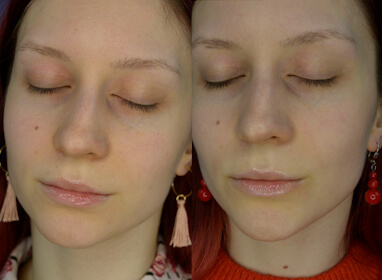
What is sodium ascorbyl phosphate in skincare?
Sodium ascorbyl phosphate, often abbreviated SAP, is a water-soluble salt of vitamin C in which a phosphate group protects the unstable part of the ascorbic acid molecule. Enzymes in the skin cleave that group to release active vitamin C.
The trade-off is deliberate: SAP is far more stable than L-ascorbic acid, works at a near-neutral pH that does not sting, and does not oxidise to orange in the bottle – but conversion means slower, gentler results.
What skin concerns does sodium ascorbyl phosphate treat?
It brightens pigmentation and uneven tone, provides antioxidant defence against UV and pollution, and supports collagen for firmness and fine lines.
It has one benefit pure vitamin C does not: both in vitro and in vivo work shows SAP is effective in preventing and treating acne vulgaris, through antimicrobial and anti-inflammatory action. That makes it an unusually good fit for oily, breakout-prone skin that also wants brightening.
What ingredients are best paired with sodium ascorbyl phosphate?
Niacinamide is a natural partner for tone and oil control, and vitamin E extends its antioxidant reach. It layers safely with hyaluronic acid, ceramides and most actives.
Because it is water-soluble and pH-neutral it is far easier to formulate and use than L-ascorbic acid, and it suits sensitive skin. As with all vitamin C derivatives, expect a gentler curve and give it three months. Take our Skin Quiz.
What is adult acne?
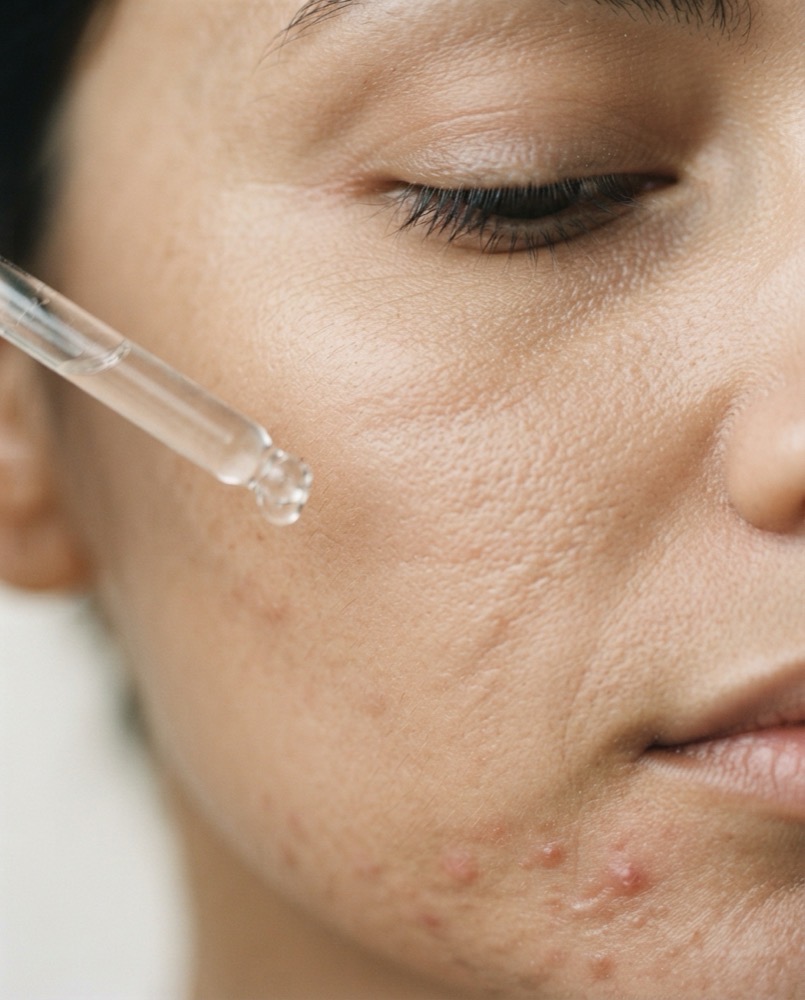
Adult acne is acne that persists past the teenage years or appears for the first time in your twenties, thirties or later. It affects a substantial share of adults, and disproportionately women.
It tends to look different from teenage acne: fewer widespread blackheads, more deep tender lesions along the jawline, chin and neck, often on skin that is simultaneously dry, sensitive or already showing early signs of ageing.
What causes adult acne?
Hormonal fluctuation is the leading driver – menstrual cycles, coming off or starting contraception, pregnancy, perimenopause and conditions such as PCOS all shift androgen activity and sebum output.
Stress and cortisol, sleep debt, high-glycaemic diets, comedogenic makeup and skincare, friction, and certain medications compound it. Adult skin also heals more slowly, so marks linger longer than they did at nineteen.
What ingredients are best for adult acne?
The challenge is treating acne without wrecking a barrier that is also ageing. Retinoids do double duty here, clearing follicles and stimulating collagen at the same time.
Azelaic acid is excellent for adult skin because it handles lesions, redness and post-acne marks together. Add salicylic acid used sparingly, niacinamide to regulate oil and calm inflammation, and ceramides plus hyaluronic acid to keep hydration up. Skip harsh benzoyl peroxide concentrations and scrubs. Take our Skin Quiz.