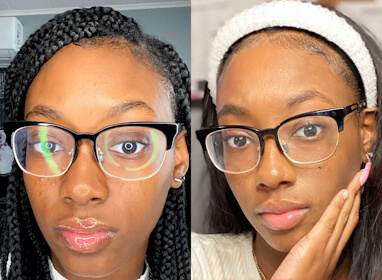
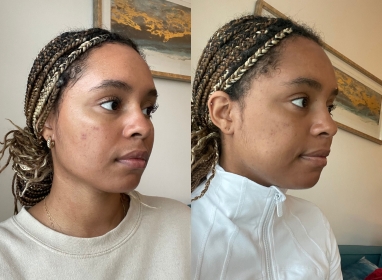
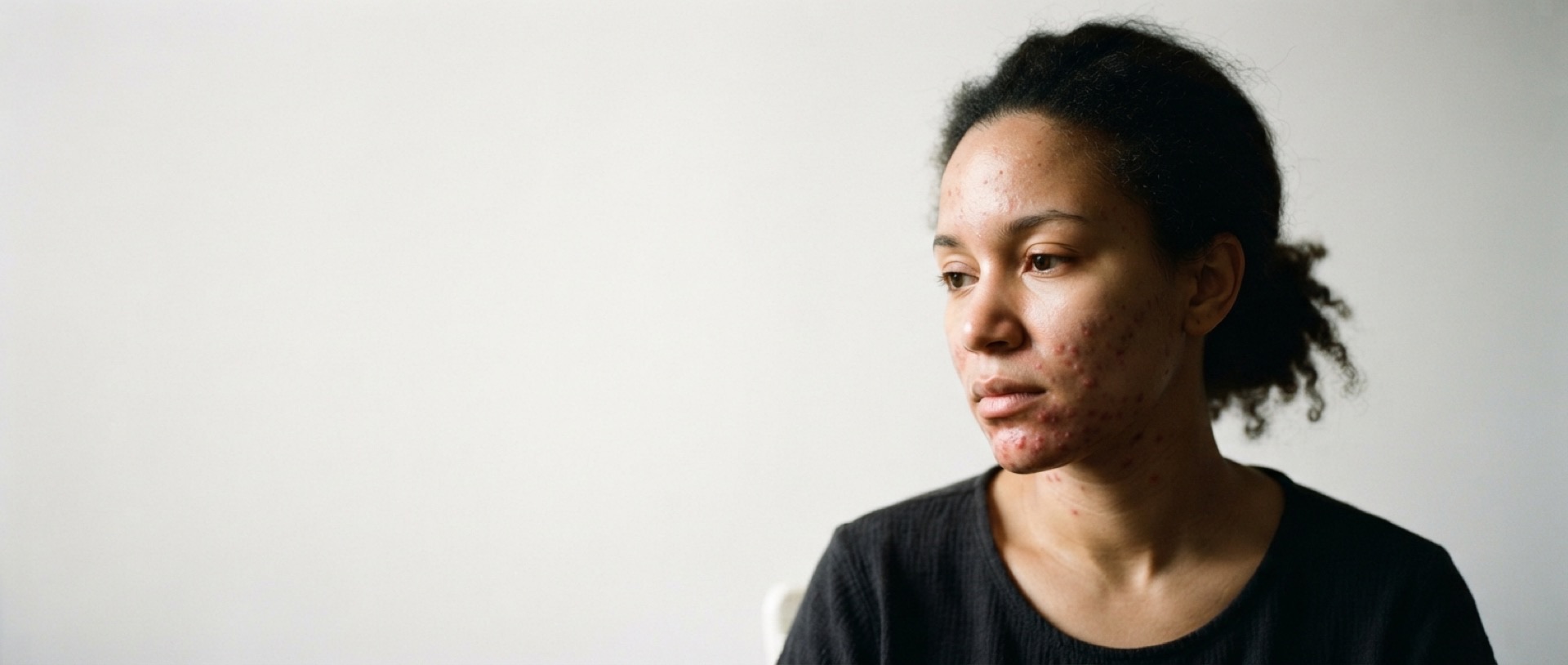
What is PHA in skincare?
PHA stands for polyhydroxy acid, the newest generation of chemical exfoliants. The two you will see on labels are gluconolactone and lactobionic acid.
Their molecules are considerably larger than AHAs, so they sit on the surface and exfoliate slowly rather than penetrating quickly. That makes them the gentlest option in the acid family – studies show anti-ageing results comparable to AHAs with noticeably less irritation.
What skin concerns do PHAs treat?
PHAs suit dullness, rough texture, uneven tone and early fine lines on skin that cannot tolerate glycolic or salicylic acid – including rosacea-prone, eczema-prone and generally reactive skin.
They are also humectants, so they hydrate as they exfoliate, and gluconolactone is an antioxidant that protects against UV-induced damage in laboratory models.
What ingredients are best paired with PHAs?
Because they are mild, PHAs layer comfortably with niacinamide, hyaluronic acid, ceramides and peptides, and they are often used to introduce exfoliation alongside a retinoid without overwhelming the barrier.
Follow with a moisturiser and daily SPF as with any exfoliant. If stronger acids have left your skin stinging or flushed, swapping to a PHA is usually the sensible step down. Take our Skin Quiz.
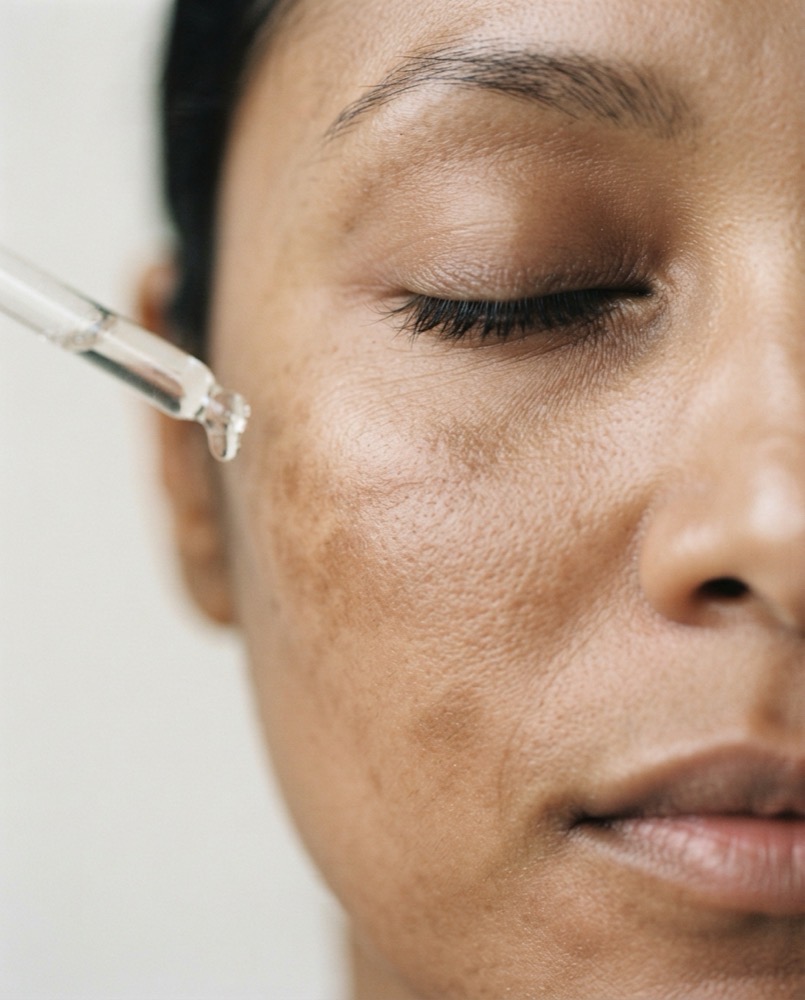
What is melasma?
Melasma is a common form of acquired hyperpigmentation that appears as symmetrical brown or greyish-brown patches, most often across the cheeks, forehead, upper lip and jawline. It develops when melanocytes – the pigment-producing cells in the skin – become overactive and deposit excess melanin into the epidermis, the dermis, or both.
It is far more common in women and in medium to deeper skin tones, and it behaves as a chronic, relapsing condition rather than a one-off mark – which is why management matters as much as treatment.
What causes melasma?
Three triggers dominate: ultraviolet and visible light exposure, hormonal change (pregnancy, oral contraceptives and hormone therapy – hence its nickname, the mask of pregnancy), and genetic predisposition.
Heat, visible light from sunlight and screens, inflammation from harsh products or aggressive procedures, and certain medications all make existing patches worse. Because the triggers are ongoing, melasma typically fades and returns rather than clearing permanently.
What ingredients are best for melasma?
Daily broad-spectrum sunscreen is non-negotiable, and a tinted mineral SPF containing iron oxides is best because it also screens the visible light that drives pigment production.
On top of that, the most evidence-backed actives are tranexamic acid, azelaic acid, niacinamide, vitamin C, alpha arbutin, kojic acid, liquorice root extract, retinoids and gentle alpha-hydroxy acids. Avoid harsh scrubs and strong heat, both of which can rebound the pigment. Take our Skin Quiz to build a routine around your skin tone and triggers.