What is ethylhexyl palmitate in skincare?
Ethylhexyl palmitate, sometimes listed as octyl palmitate, is an ester of 2-ethylhexyl alcohol and palmitic acid. It is a clear, very light liquid used as an emollient, a solvent and a texture agent.
It is particularly common in sunscreens and makeup, where it dissolves UV filters and pigments and gives them an elegant, dry-touch finish. It is also used to replace mineral oil in formulations aiming for a lighter skin feel.
What skin concerns does ethylhexyl palmitate treat?
It softens the skin surface and slows water loss, giving a smooth, conditioned finish without greasiness. Its main role, though, is making other things work – keeping sunscreen filters evenly dispersed so the stated SPF is actually delivered.
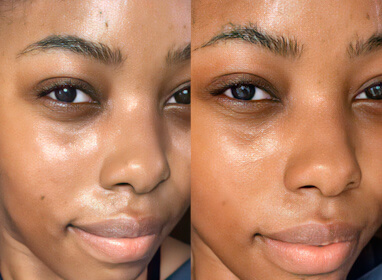
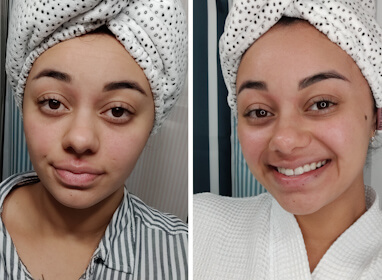
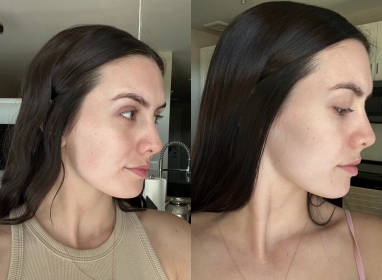
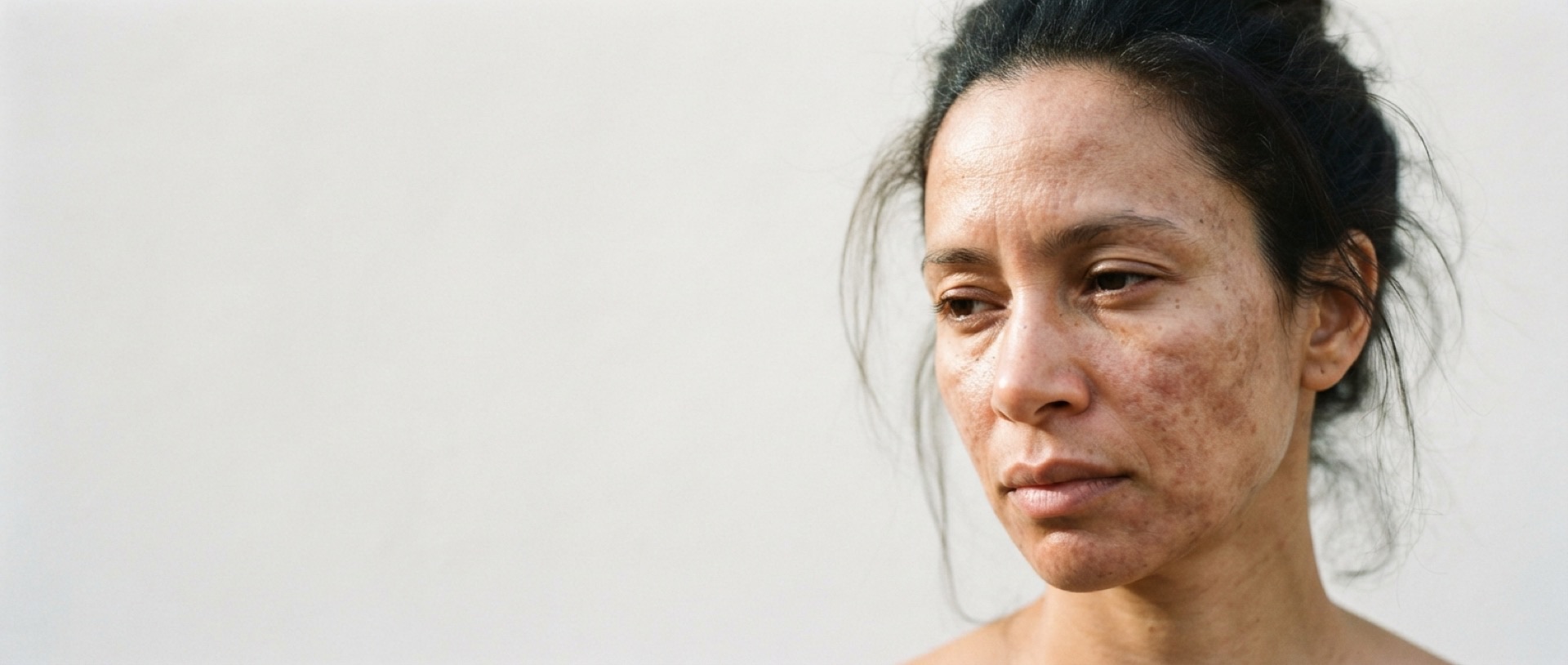
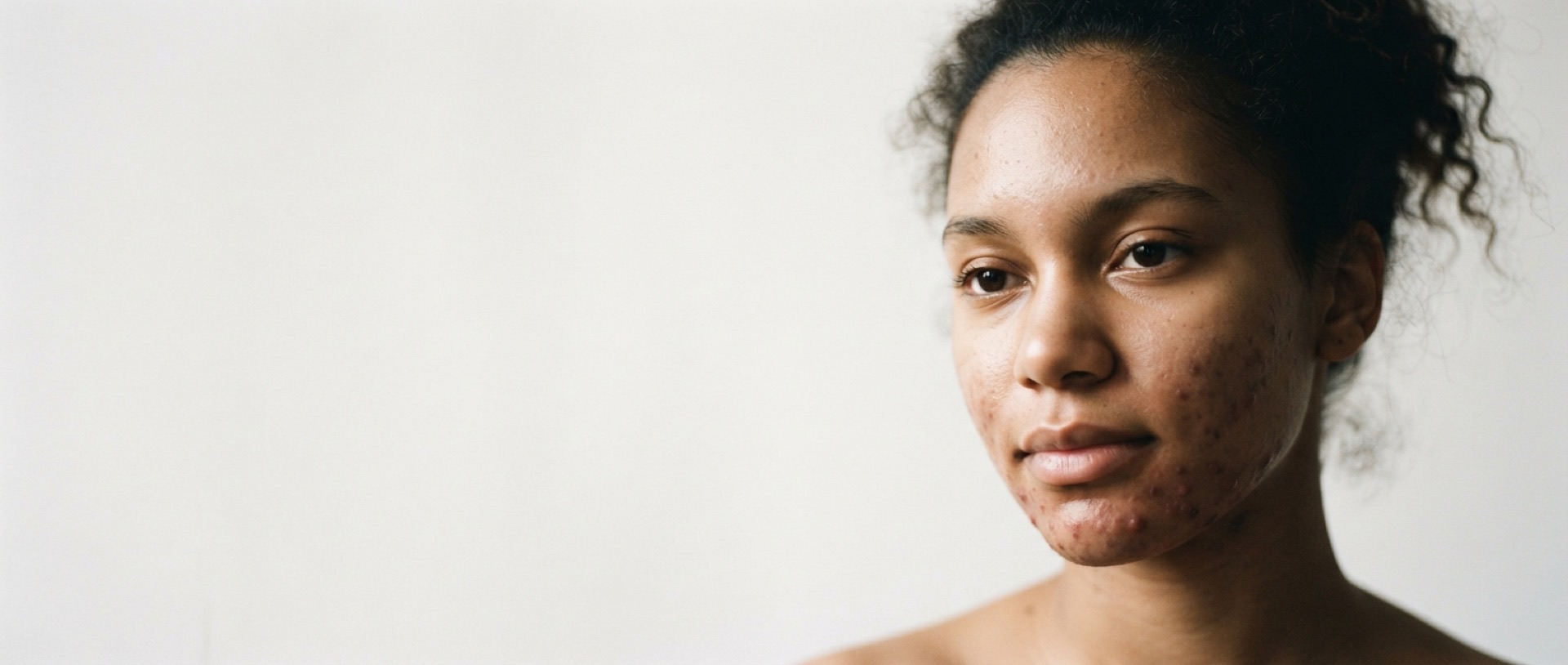
Like its close relative isopropyl palmitate it scores poorly on comedogenicity testing. For acne-prone skin, a sunscreen or foundation built around it is a plausible cause of persistent small congestion around the cheeks and forehead.
What ingredients are best paired with ethylhexyl palmitate?
In dry or normal skin it sits well with ceramides, glycerin, squalane and shea butter, adding slip without weight.
If you are breakout-prone, look for sunscreens and bases that use squalane, caprylic/capric triglyceride or silicone-based esters instead. The finish is similar and the congestion risk is considerably lower. Take our Skin Quiz.
What are clogged pores?
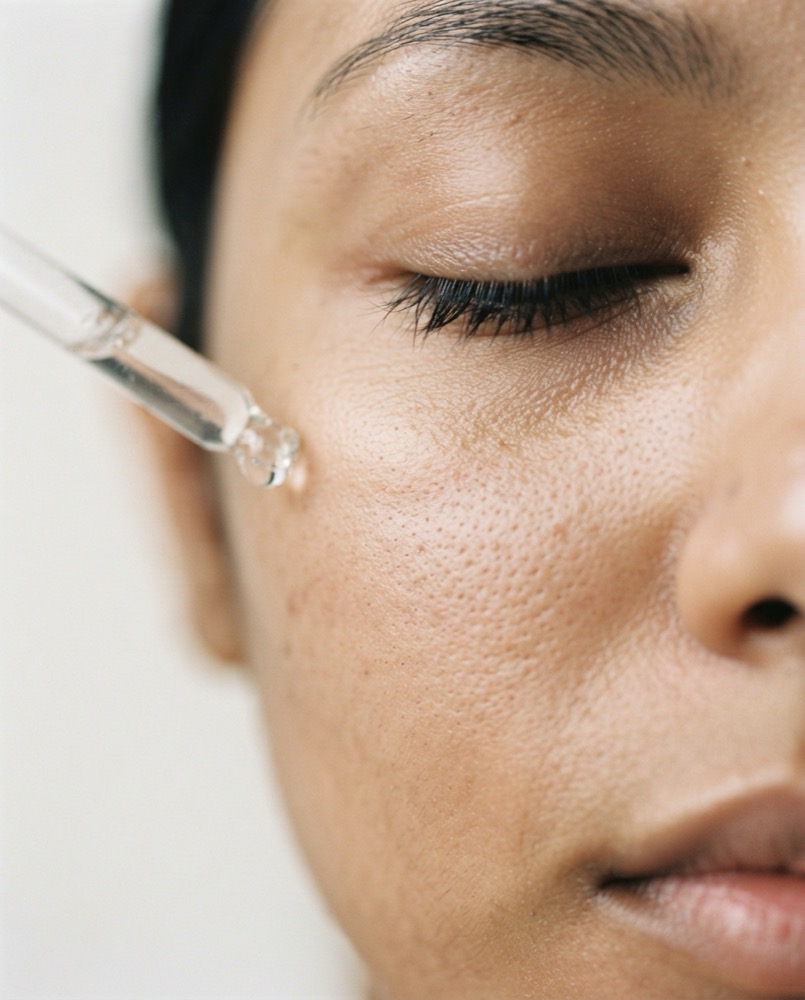
A clogged pore is a hair follicle blocked by a mix of sebum, dead skin cells and debris. Left open to the air the plug oxidises and darkens into a blackhead; sealed over by skin it becomes a whitehead or closed comedone.
Clogged pores are the starting point of nearly all acne – the microcomedone forms first, and inflammation follows only if bacteria and immune response get involved.
What causes clogged pores?
Excess sebum and abnormal keratinisation are the two mechanics. When the follicle lining sheds cells faster than they can clear, they bind with oil and form a plug.
Comedogenic products (heavy oils, some silicones and waxes), thick makeup worn for long stretches, humidity, sweat left on the skin, hormonal shifts and insufficient cleansing all contribute. So does over-cleansing, which damages the barrier and drives oil production up.
What ingredients are best for clogged pores?
Salicylic acid is the first choice because it is oil-soluble and works inside the pore rather than just on the surface. Glycolic and lactic acid clear the surface layer, and clay masks absorb excess oil weekly.
Retinoids are the most effective long-term fix, because they change how the follicle sheds in the first place. Add niacinamide to regulate sebum and keep the barrier intact, and switch to non-comedogenic, lightweight hydrators. Take our Skin Quiz to find products that will not re-clog you.