What is ethylhexyl palmitate in skincare?
Ethylhexyl palmitate, sometimes listed as octyl palmitate, is an ester of 2-ethylhexyl alcohol and palmitic acid. It is a clear, very light liquid used as an emollient, a solvent and a texture agent.
It is particularly common in sunscreens and makeup, where it dissolves UV filters and pigments and gives them an elegant, dry-touch finish. It is also used to replace mineral oil in formulations aiming for a lighter skin feel.
What skin concerns does ethylhexyl palmitate treat?
It softens the skin surface and slows water loss, giving a smooth, conditioned finish without greasiness. Its main role, though, is making other things work – keeping sunscreen filters evenly dispersed so the stated SPF is actually delivered.
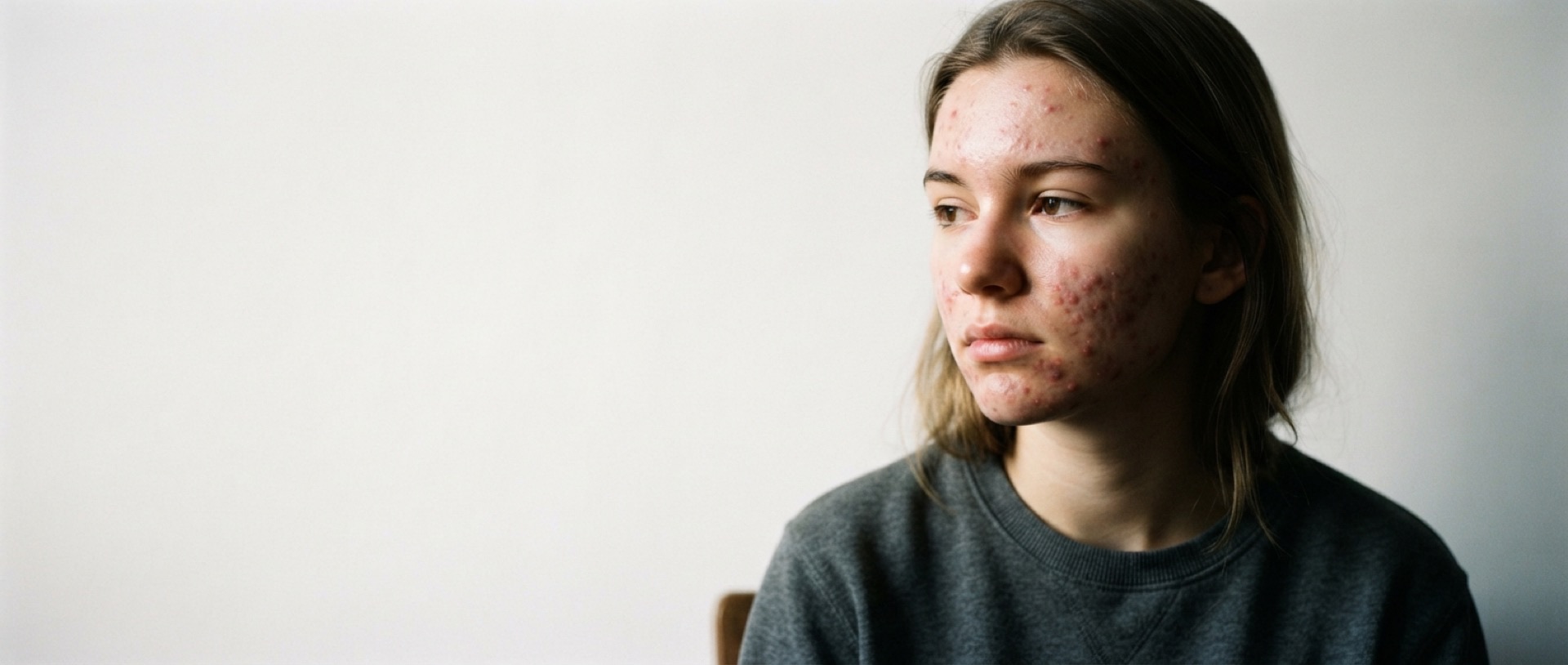
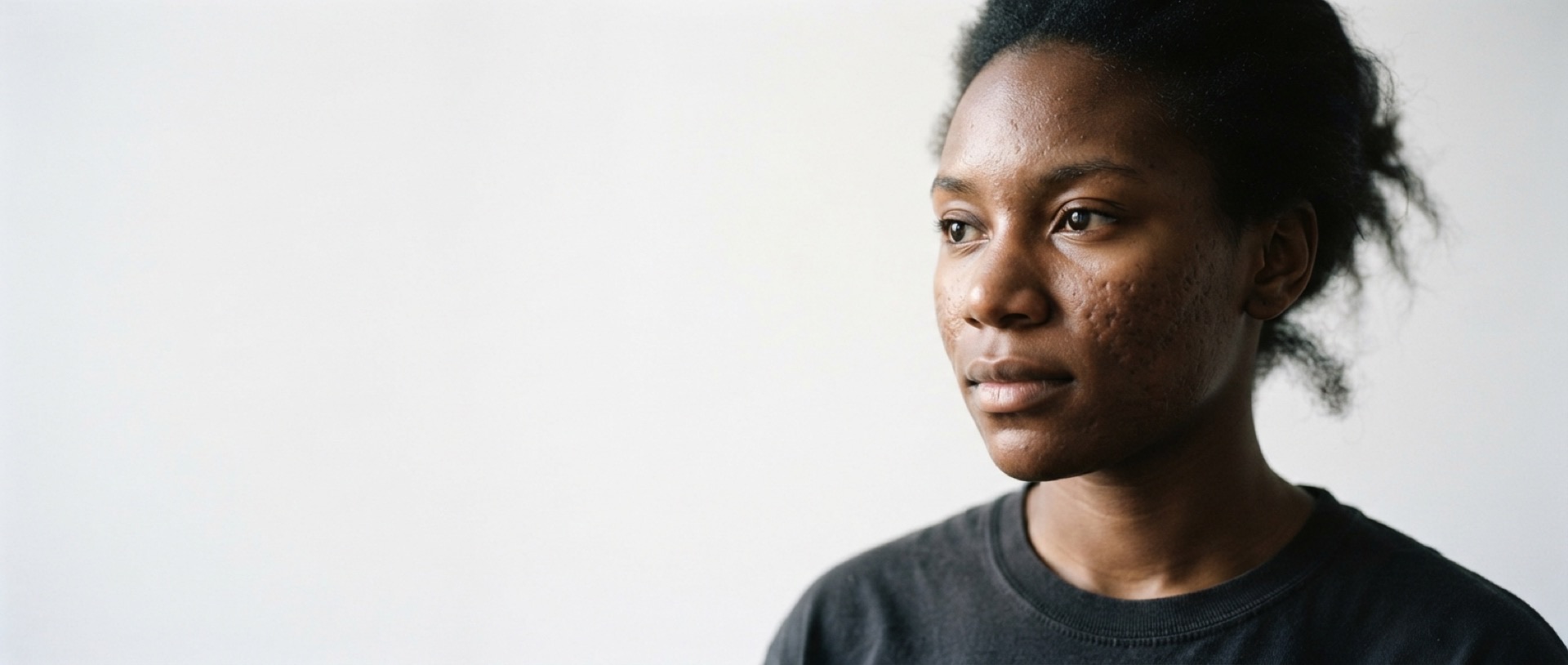
Like its close relative isopropyl palmitate it scores poorly on comedogenicity testing. For acne-prone skin, a sunscreen or foundation built around it is a plausible cause of persistent small congestion around the cheeks and forehead.
What ingredients are best paired with ethylhexyl palmitate?
In dry or normal skin it sits well with ceramides, glycerin, squalane and shea butter, adding slip without weight.
If you are breakout-prone, look for sunscreens and bases that use squalane, caprylic/capric triglyceride or silicone-based esters instead. The finish is similar and the congestion risk is considerably lower. Take our Skin Quiz.
What are age spots?
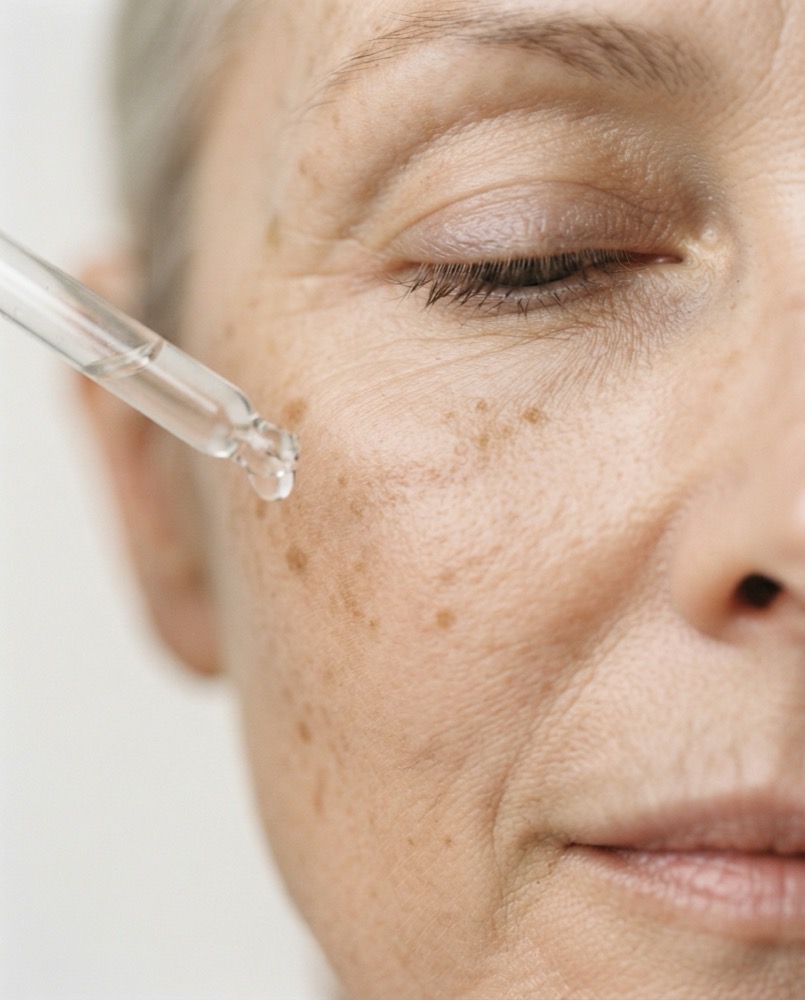
Age spots – known clinically as solar lentigines, and sometimes as liver spots – are flat, well-defined brown or tan patches that appear on skin with the most cumulative sun exposure: the face, backs of the hands, forearms, shoulders and upper chest.
Despite the name, they are not caused by age itself. They are a record of ultraviolet exposure, which is why they are common from the forties onward and why they cluster on areas that rarely get sunscreen.
What causes age spots?
Long-term UV exposure drives melanocytes to over-produce melanin in concentrated spots, and the surrounding keratinocytes stop clearing that pigment efficiently as skin ages.
Fair skin, a history of sunburns, tanning beds and outdoor work all raise the risk. Any new spot that changes shape, colour or size, bleeds or has an irregular border should be checked by a doctor rather than treated cosmetically.
What ingredients are best for age spots?
Topical treatment works but needs patience – expect three to six months. Retinoids speed turnover so pigmented cells shed faster, vitamin C and niacinamide brighten and protect, and alpha arbutin, kojic acid, azelaic acid and liquorice root inhibit new pigment.
Glycolic or lactic acid helps lift existing pigment from the surface. Daily broad-spectrum SPF, including on hands and chest, is what prevents new spots forming. Take our Skin Quiz.