What is ethylhexyl palmitate in skincare?
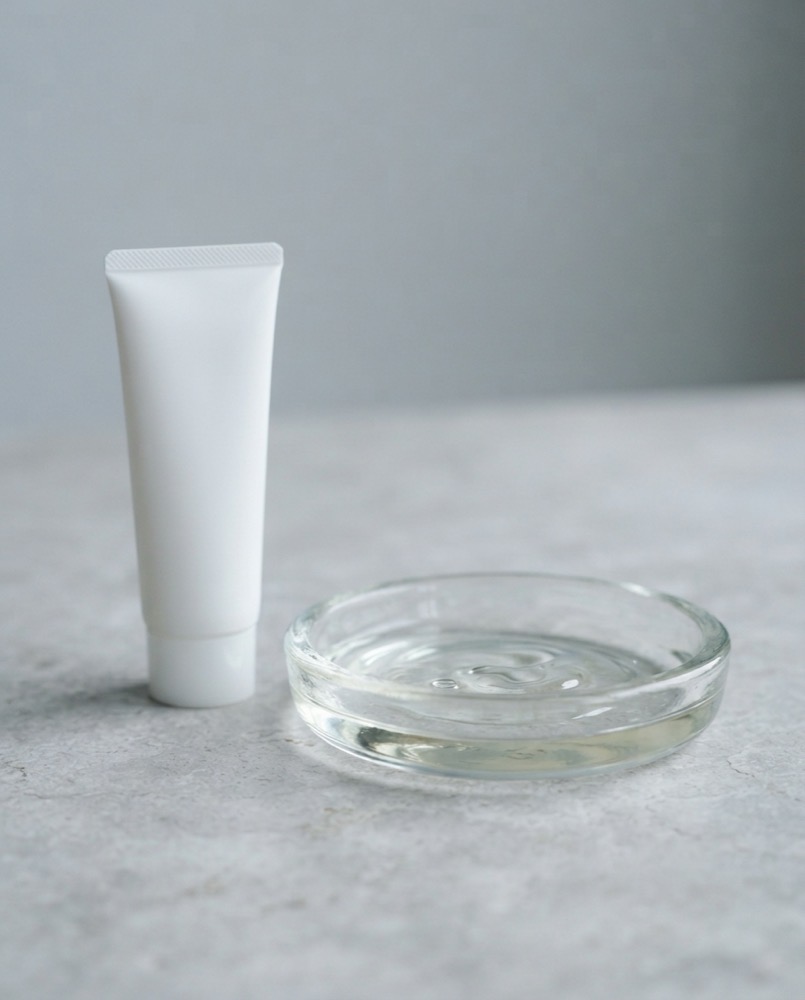
Ethylhexyl palmitate, sometimes listed as octyl palmitate, is an ester of 2-ethylhexyl alcohol and palmitic acid. It is a clear, very light liquid used as an emollient, a solvent and a texture agent.
It is particularly common in sunscreens and makeup, where it dissolves UV filters and pigments and gives them an elegant, dry-touch finish. It is also used to replace mineral oil in formulations aiming for a lighter skin feel.
What skin concerns does ethylhexyl palmitate treat?
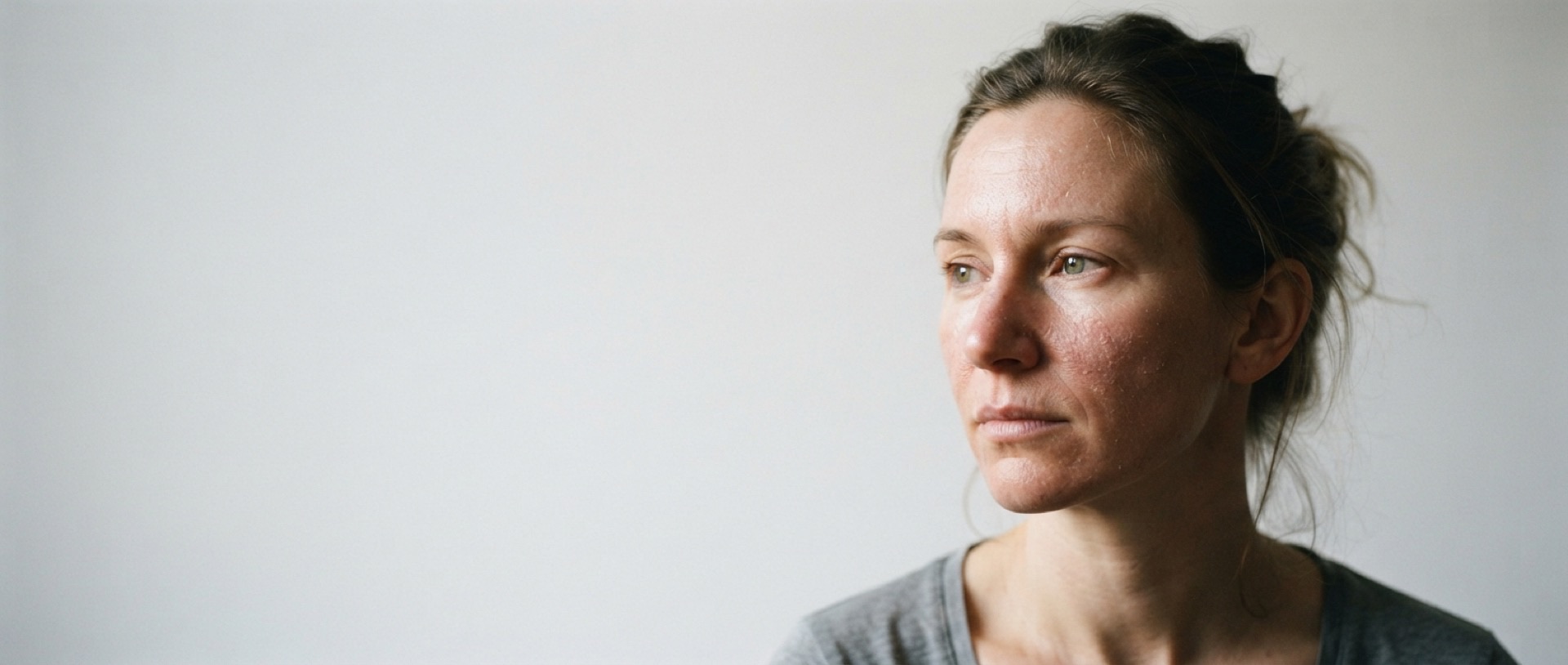
It softens the skin surface and slows water loss, giving a smooth, conditioned finish without greasiness. Its main role, though, is making other things work – keeping sunscreen filters evenly dispersed so the stated SPF is actually delivered.
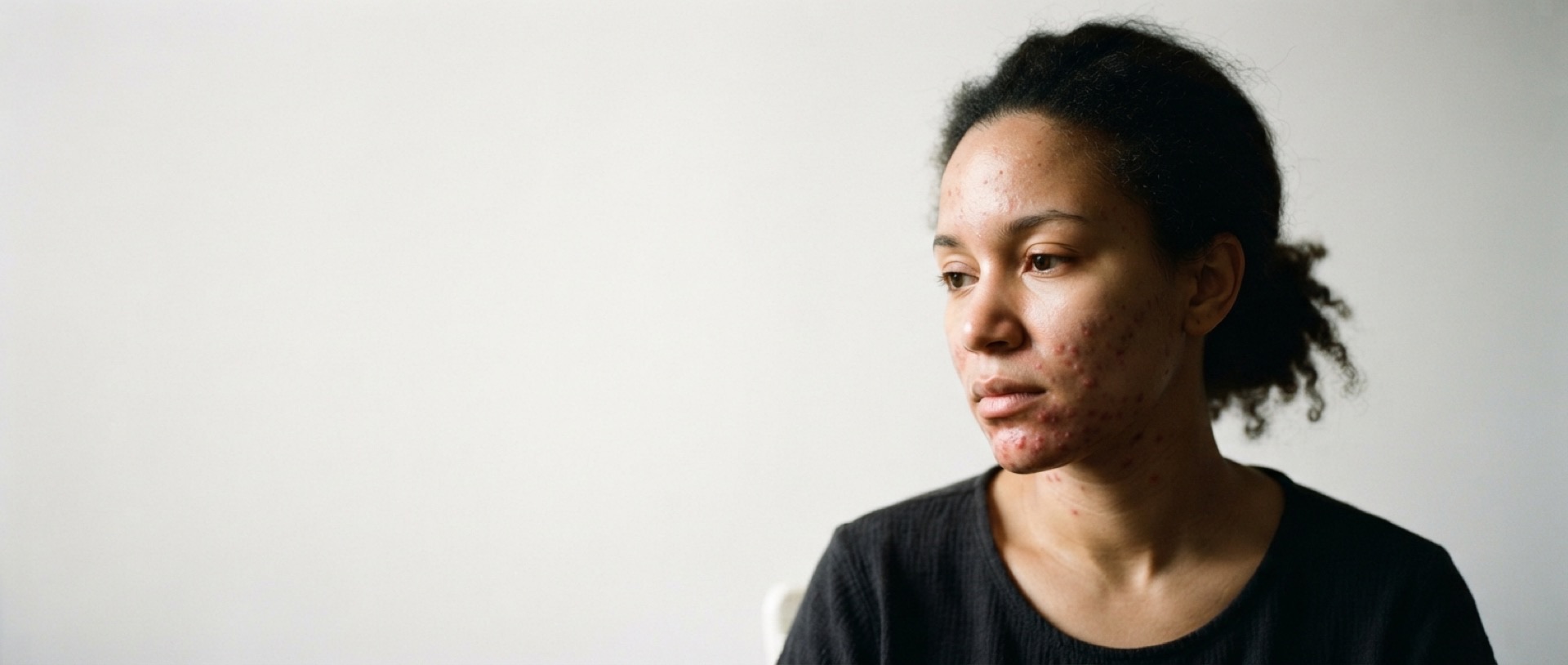
Like its close relative isopropyl palmitate it scores poorly on comedogenicity testing. For acne-prone skin, a sunscreen or foundation built around it is a plausible cause of persistent small congestion around the cheeks and forehead.
What ingredients are best paired with ethylhexyl palmitate?
In dry or normal skin it sits well with ceramides, glycerin, squalane and shea butter, adding slip without weight.
If you are breakout-prone, look for sunscreens and bases that use squalane, caprylic/capric triglyceride or silicone-based esters instead. The finish is similar and the congestion risk is considerably lower. Take our Skin Quiz.
What is acne?
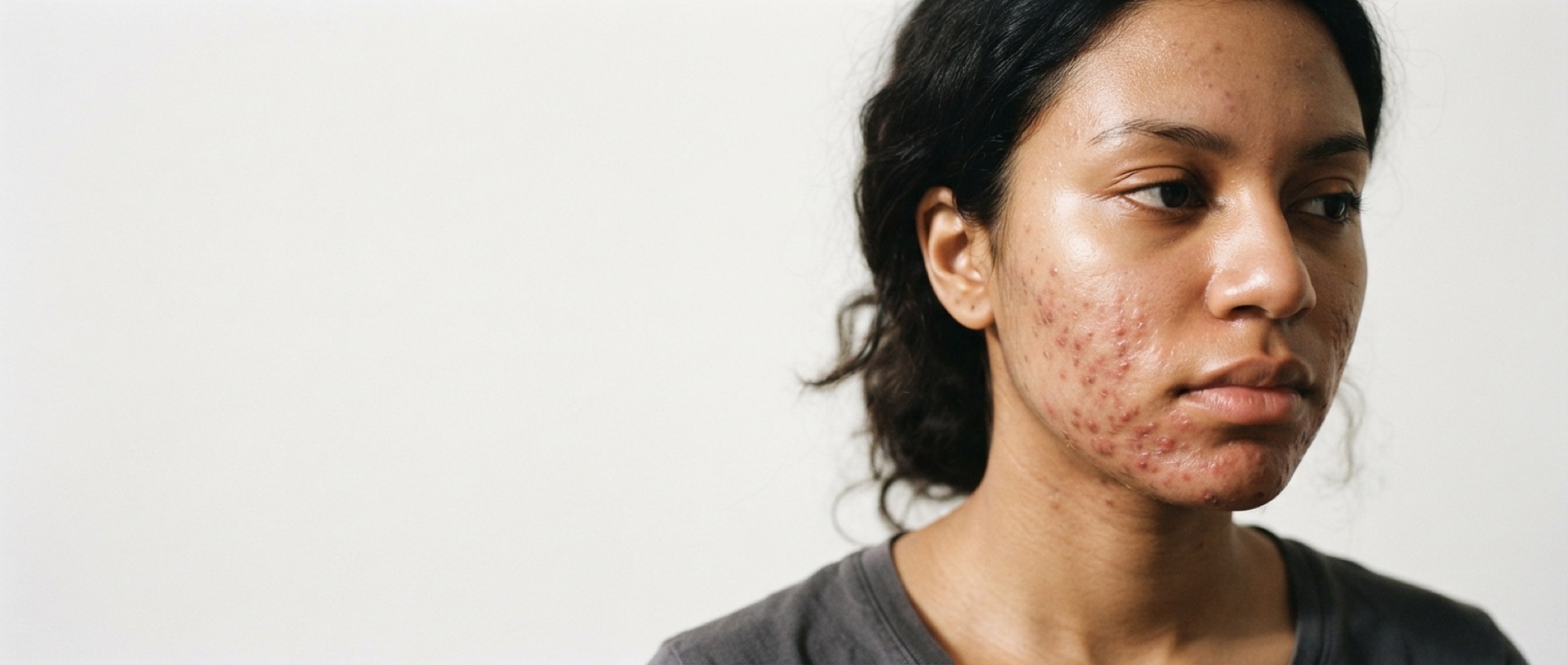
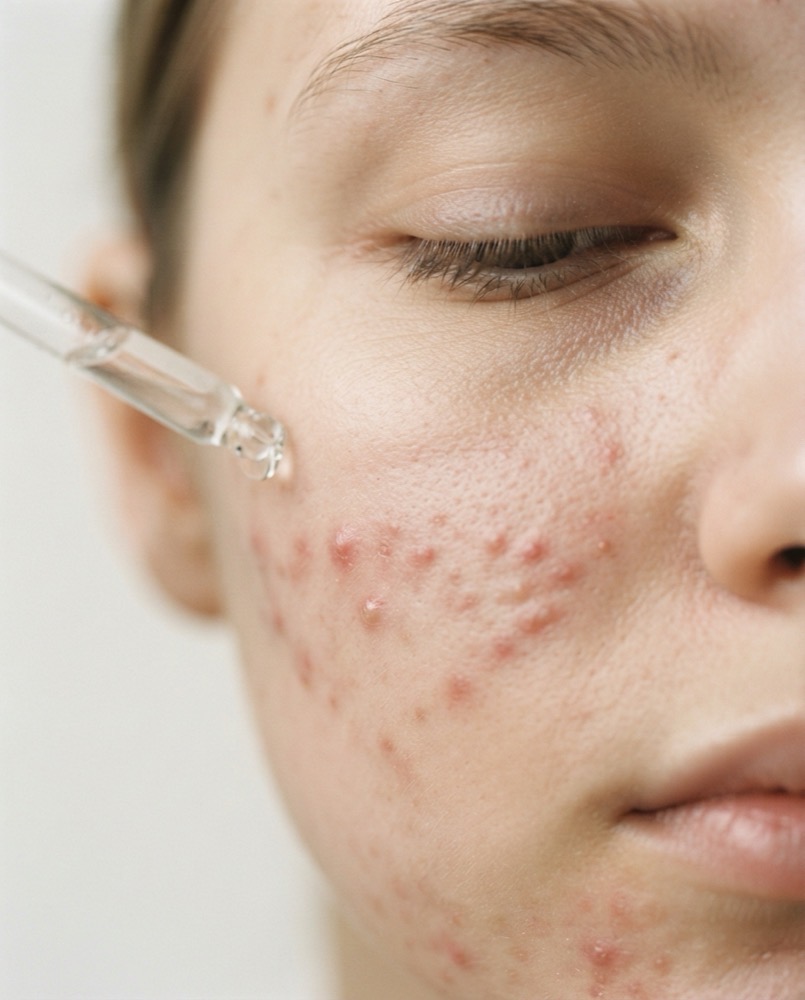
Acne vulgaris is a chronic inflammatory condition of the pilosebaceous unit – the hair follicle and its attached oil gland. It produces blackheads and whiteheads, inflamed papules and pustules, and in severe cases deep nodules and cysts.
It is the most common skin condition worldwide, and it is not a hygiene problem. Acne begins with a microcomedone forming invisibly inside the follicle, weeks before anything shows on the surface.
What causes acne?
Four mechanisms work together: excess sebum driven by androgens, abnormal shedding of cells inside the follicle, overgrowth of Cutibacterium acnes, and the inflammatory response that follows.
Genetics set the baseline. Hormonal fluctuation, stress, high-glycaemic diets, comedogenic products, friction from masks or helmets, and certain medications all push it further. Over-cleansing and picking make it visibly worse.
What ingredients are best for acne?
Salicylic acid clears inside the pore, benzoyl peroxide reduces bacterial load, and retinoids prevent the plug forming in the first place – that last one is the most valuable long-term.
Azelaic acid and niacinamide reduce inflammation and the marks left behind, and sulphur or clay help oily, congested skin. Keep the barrier intact with a gentle cleanser and a light non-comedogenic moisturiser; stripped skin produces more oil. Take our Skin Quiz.