

What is DHA in skincare?
DHA in skincare means dihydroxyacetone, a simple three-carbon sugar produced by fermenting glycerin. It is the active ingredient in essentially every self-tanner on the market, and has been used that way since the 1960s.
It should not be confused with docosahexaenoic acid, the omega-3 fatty acid that shares the abbreviation. Reviews of topical dihydroxyacetone cover its chemistry, performance and safety profile in sunless tanning products.
What skin concerns does DHA treat?
DHA does not treat a skin concern so much as change colour. It reacts with amino acids in the outermost dead skin cells through the Maillard reaction – the same browning chemistry as toast – producing pigments called melanoidins.
Because only surface cells are affected, the colour develops over two to four hours and fades in five to seven days as those cells shed. Crucially it offers almost no UV protection, so sunscreen is still required. Some research notes free-radical generation in treated skin, another reason to wear SPF over it.
What ingredients are best paired with DHA?
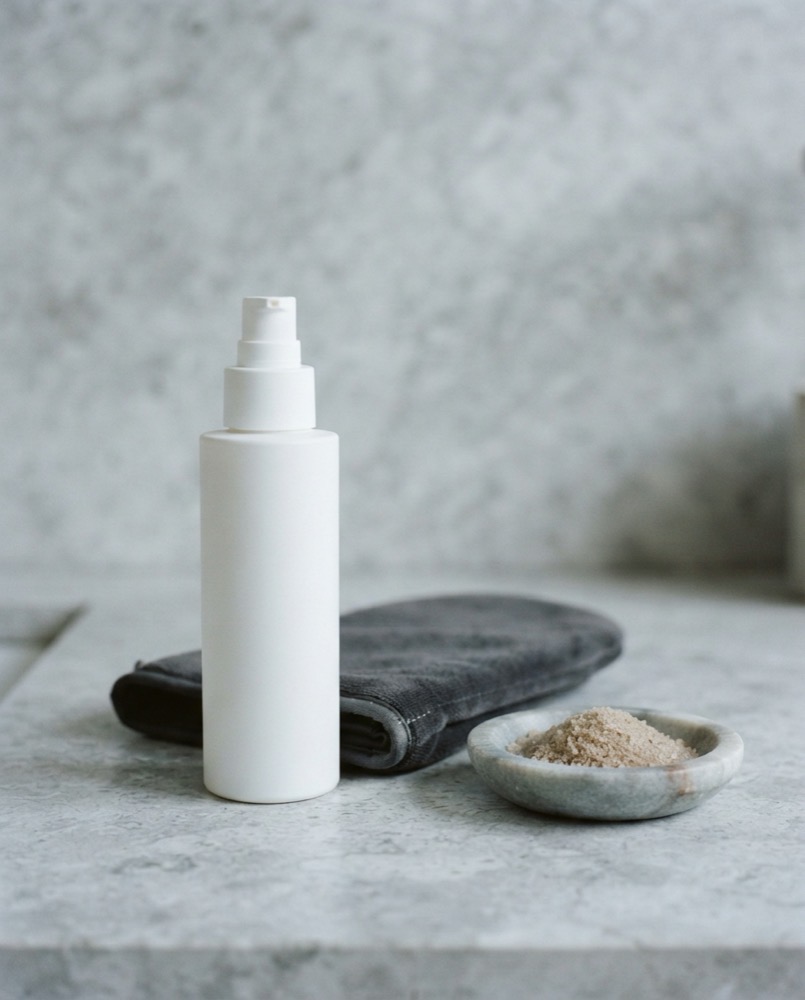
Exfoliate and moisturise dry areas – knees, elbows, ankles – before applying, since DHA grabs harder where skin is thicker and gives a patchy result otherwise.
Antioxidants such as vitamin C and E are sensible alongside it. Avoid applying it immediately after AHAs or retinoids, which speed up cell turnover and shorten the tan, and keep it away from freshly waxed or shaved skin. Take our Skin Quiz.
What are sun spots?
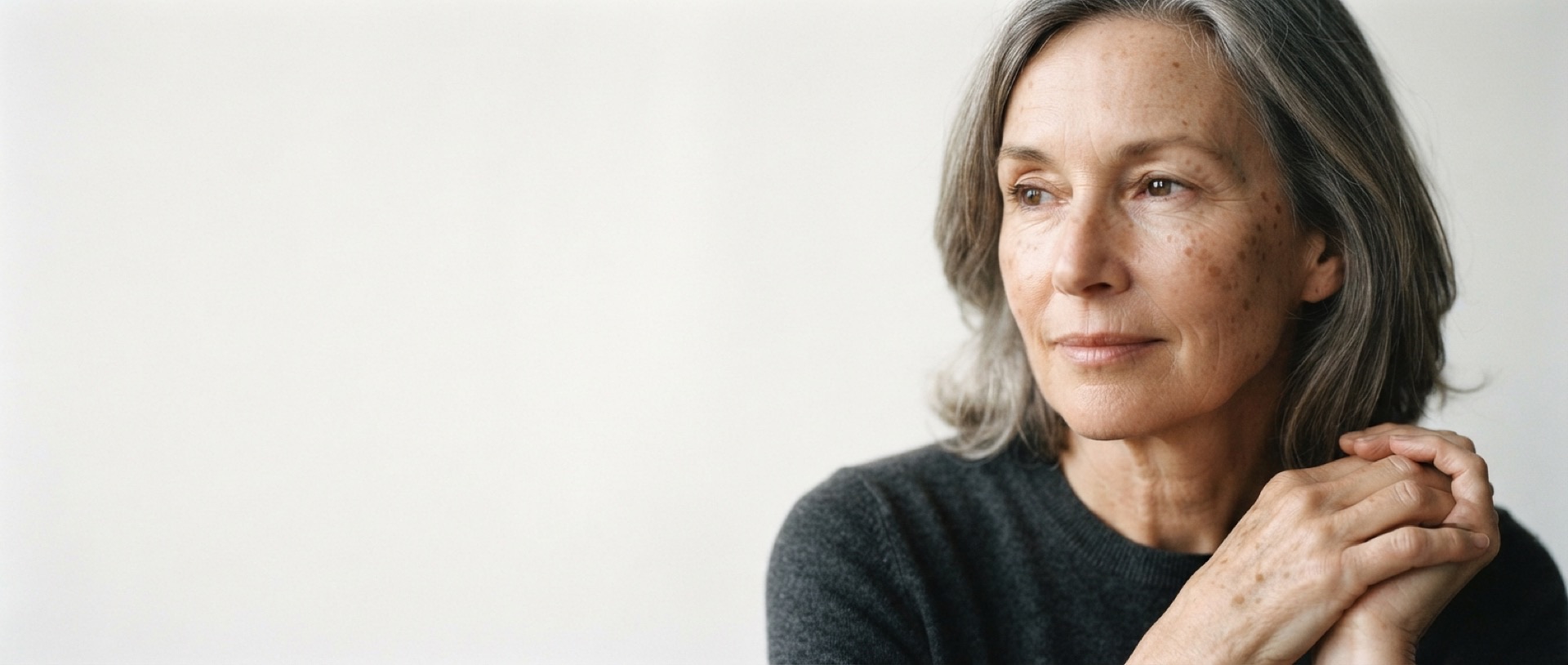
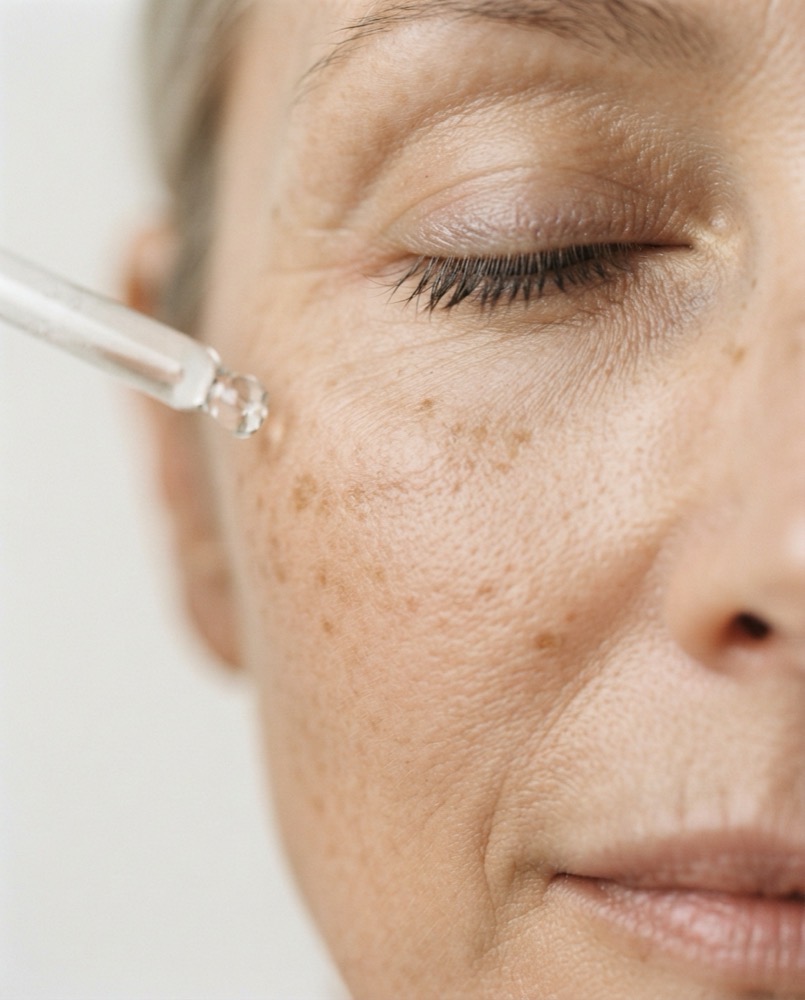
Sun spots are flat patches of concentrated pigment that form where skin has taken the most ultraviolet exposure – cheeks, nose, forehead, hands, shoulders and chest. Dermatologists call them solar lentigines; they are the same thing as age spots.
They are harmless, but they are a visible marker of accumulated photodamage, and they usually arrive alongside other signs of it: fine lines, loss of firmness and an uneven overall tone.
What causes sun spots?
UV radiation prompts melanocytes to produce extra melanin as a defence. With repeated exposure that response becomes localised and fixed, leaving discrete patches instead of an even tan that fades.
Tanning beds, sunburns in childhood, fair skin and outdoor time without protection all increase the count. Incidental exposure – driving, walking, sitting near a window – adds up more than most people expect.
What ingredients are best for sun spots?
Retinoids to accelerate turnover, vitamin C to protect and brighten, and pigment inhibitors such as alpha arbutin, kojic acid, azelaic acid, tranexamic acid and liquorice root are the core toolkit.
Gentle AHAs help shift surface pigment, and niacinamide slows the transfer of melanin into skin cells. None of it holds without daily broad-spectrum SPF and reapplication. Take our Skin Quiz.