

What is CoQ10 in skincare?
Coenzyme Q10, also called ubiquinone, is a fat-soluble compound found in the mitochondria of every cell. It has two jobs: it carries electrons in the process that generates cellular energy, and it acts as an antioxidant protecting cell membranes from oxidation.
Skin levels of CoQ10 fall steadily with age and are further depleted by UV exposure, which is the rationale for replacing it topically.
What skin concerns does CoQ10 treat?
It targets the energy side of skin ageing – tired, dull, thinning skin with reduced cell activity – alongside fine lines and loss of firmness.
Topical application has been shown to raise CoQ10 levels in the skin and increase its antioxidant capacity, and laboratory work links it to reduced UVB-induced wrinkle formation. It is well tolerated, including on sensitive skin.
What ingredients are best paired with CoQ10?
Stack it with other antioxidants for a wider defence: vitamin C, vitamin E, ferulic acid, resveratrol and green tea all cover different free-radical species.
It pairs safely with retinoids, peptides, niacinamide and hyaluronic acid, making it easy to slot into an existing anti-ageing routine. As with all antioxidants, it supports sunscreen rather than substituting for it. Take our Skin Quiz.
What is rosacea?
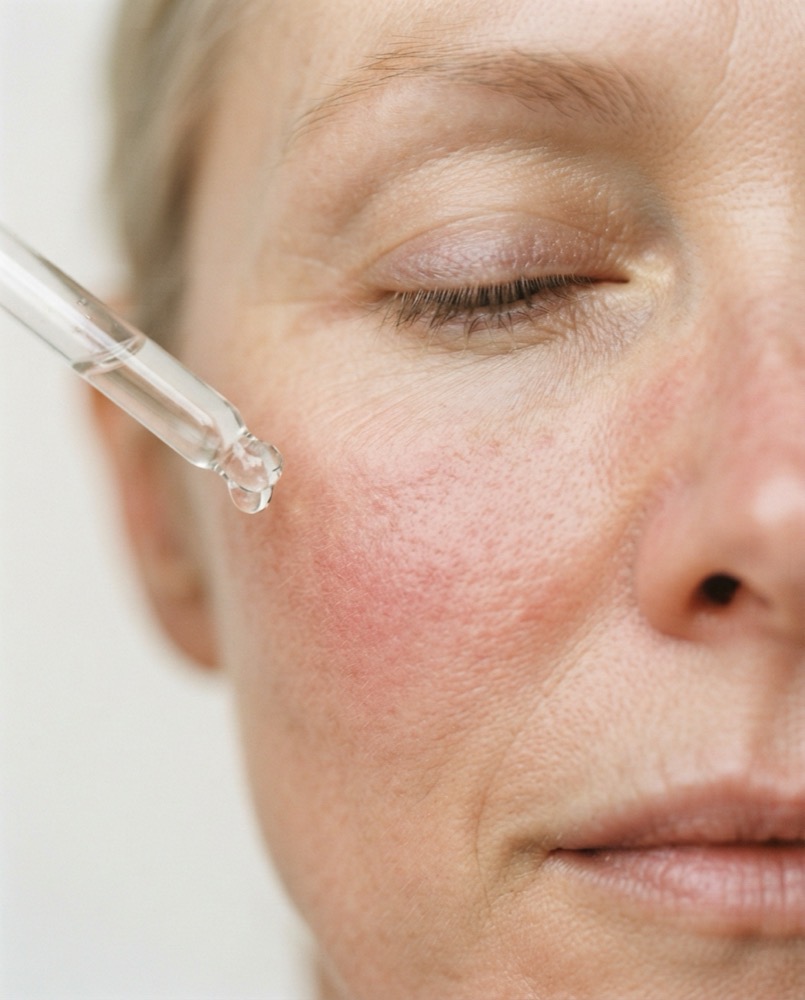
Rosacea is a chronic inflammatory skin condition that affects the central face – cheeks, nose, chin and forehead. It presents as persistent redness, visible broken capillaries, flushing that comes and goes, and in some subtypes acne-like papules and pustules.
Unlike acne, rosacea involves no comedones. It is driven by a combination of vascular hyper-reactivity, neurogenic inflammation and an overactive innate immune response, often with an impaired skin barrier alongside.
What causes rosacea?
There is no single cause. Genetic predisposition, an exaggerated immune response involving cathelicidin, overgrowth of Demodex mites, and dysfunction of the facial blood vessels all appear to contribute.
Flares are triggered by heat, sun exposure, alcohol, spicy food, hot drinks, exercise, stress, wind and cold, and by harsh skincare. Identifying and avoiding your own trigger set does as much as any product.
What ingredients are best for rosacea?
Azelaic acid and niacinamide are the standout actives – both reduce redness and inflammation without provoking the barrier. Sulphur, green tea extract, liquorice root and centella asiatica also calm reactive skin.
Build everything else around barrier repair: ceramides, glycerin, squalane and panthenol, with a gentle non-foaming cleanser and a mineral SPF every day. Avoid alcohol-heavy toners, fragrance, menthol, physical scrubs and high-strength acids. Take our Skin Quiz to build a routine your skin will tolerate.