

What is CBD in skincare?
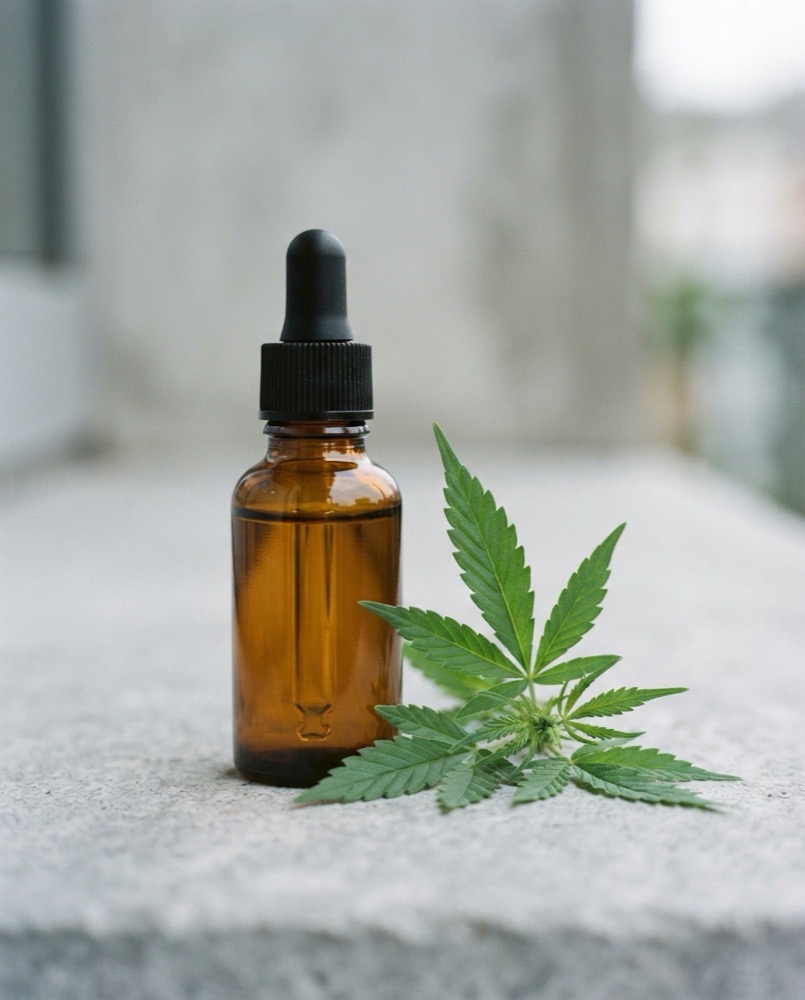
CBD is cannabidiol, one of over a hundred cannabinoids in Cannabis sativa. It is extracted from the flowers and leaves, and unlike THC it is non-psychoactive. It is not the same as hemp seed oil, which comes from the seeds and contains essentially no cannabinoids – a distinction many products blur.
Skin has its own endocannabinoid system, with receptors on keratinocytes, sebocytes and immune cells, which gives topical CBD a plausible mechanism rather than just a marketing story.
What skin concerns does CBD treat?
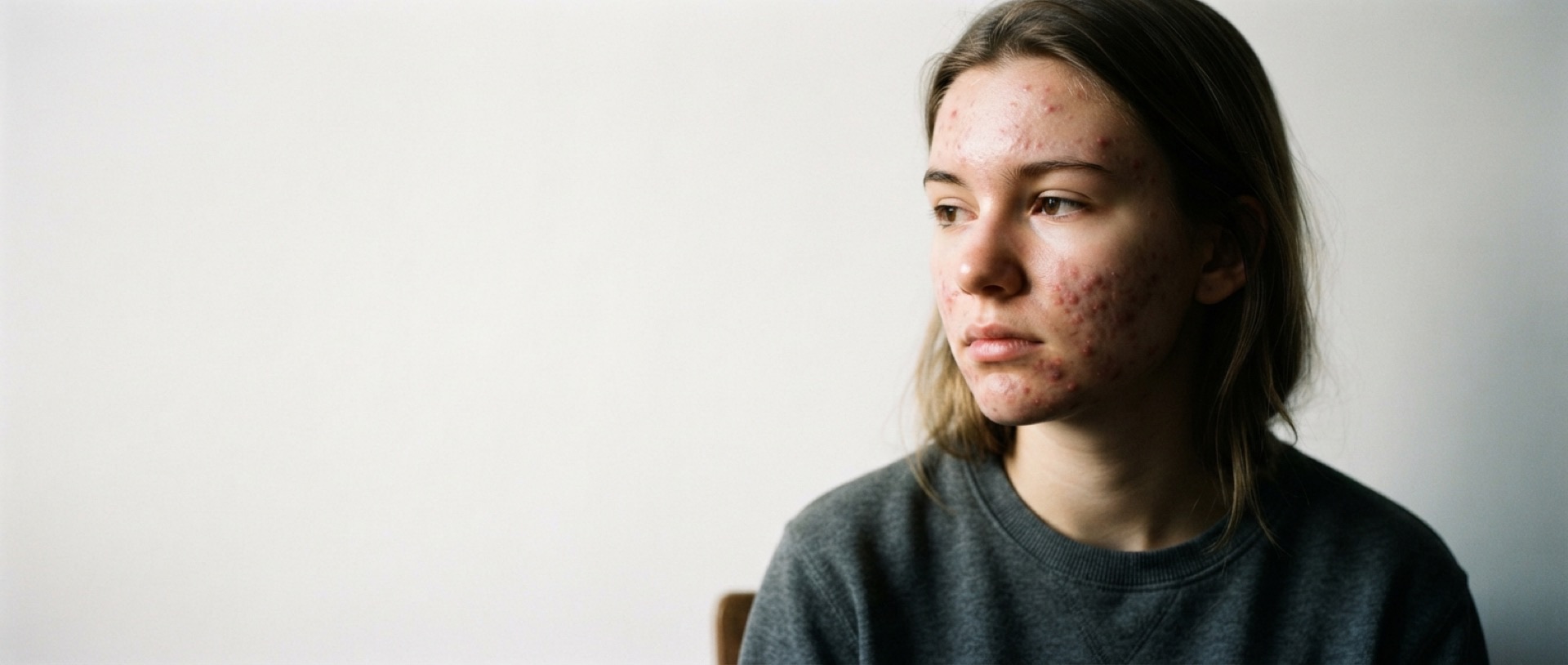
Its strongest case is inflammation. Research on the anti-inflammatory effects of CBD on acne points to suppression of sebum production and of the inflammatory cascade behind breakouts – a combination few ingredients manage.
A literature review of CBD in cosmetic dermatology also covers eczema, psoriasis, redness and signs of ageing, with antioxidant activity alongside. The evidence is promising but still thin on large human trials, and product quality varies enormously.
What ingredients are best paired with CBD?
It pairs naturally with other calming ingredients – niacinamide, centella asiatica, green tea, colloidal oatmeal – and with ceramides and squalane for barrier repair.
Check the label for a stated CBD content in milligrams and third-party testing; products listing only hemp seed oil contain no CBD. It is generally well tolerated and can sit alongside retinoids and acids as the soothing part of a routine. Take our Skin Quiz.
What are wrinkles?
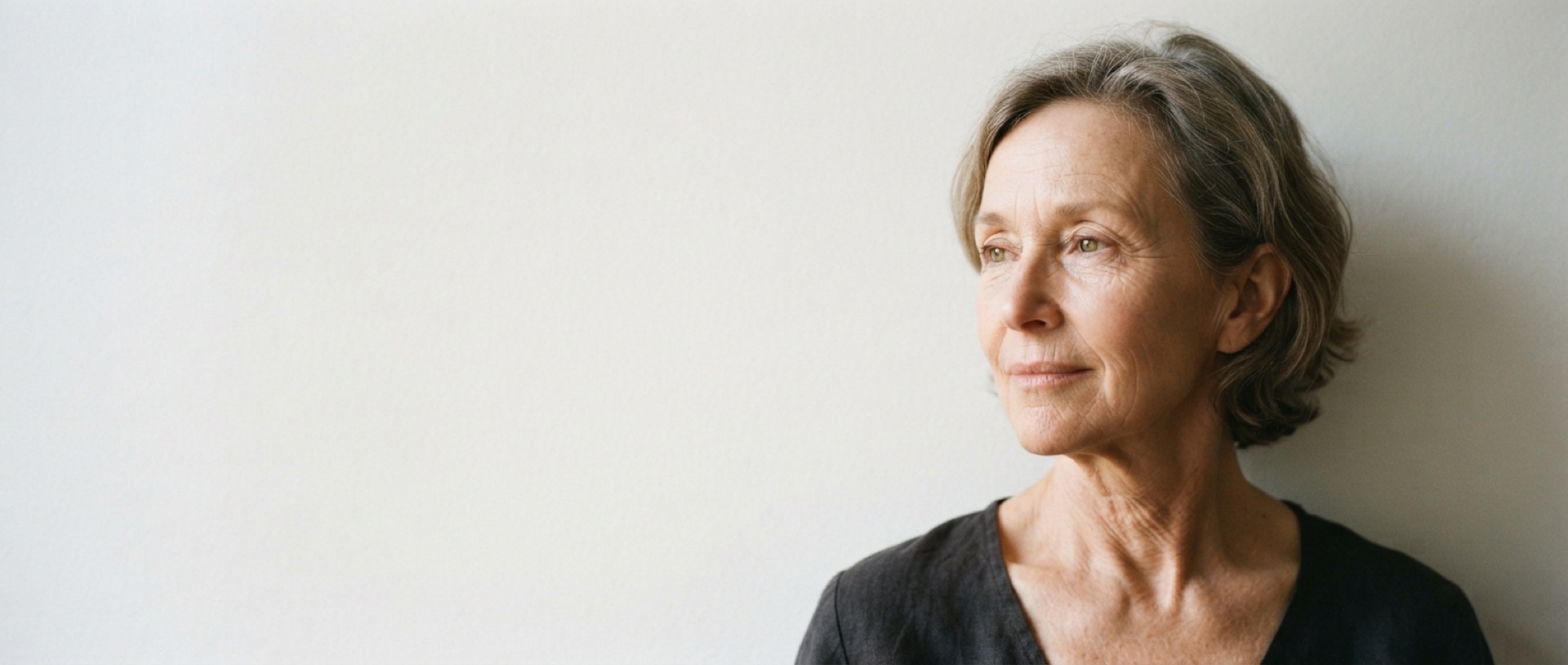
Wrinkles are permanent folds and creases in the skin. They begin as dynamic lines that appear only with expression, then set into static lines visible at rest once the underlying support structure can no longer push them back out.
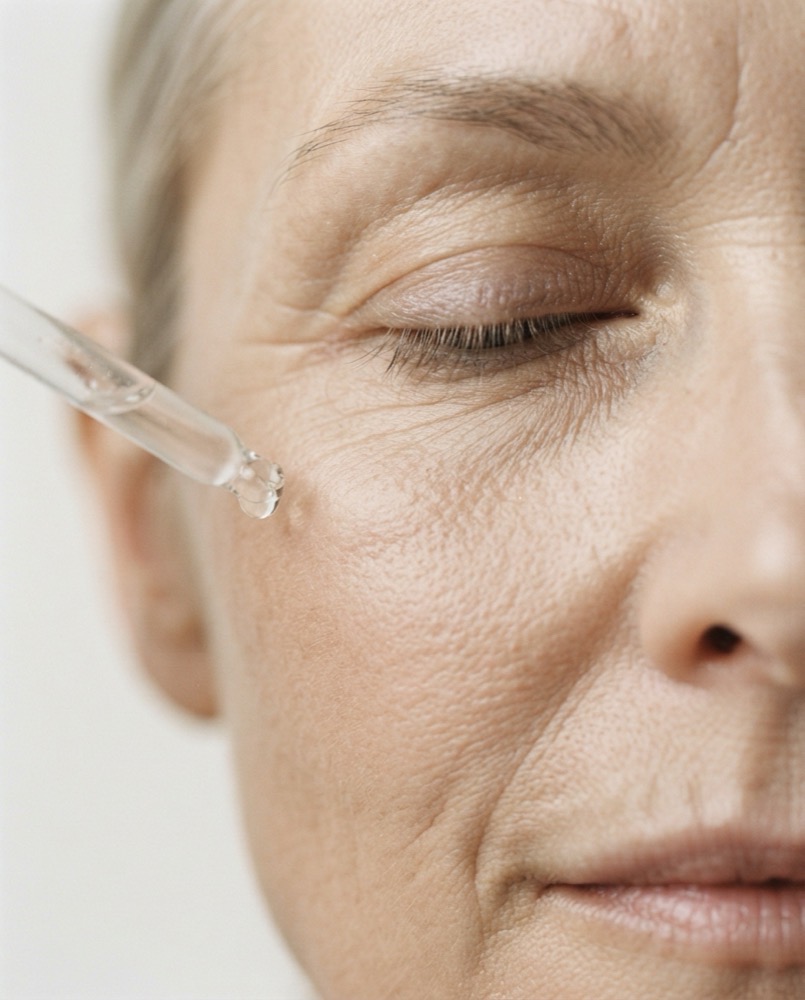
They form first where skin is thin and movement is constant: crow’s feet, forehead lines, frown lines between the brows, and nasolabial folds. Deeper folds also reflect loss of fat and bone volume, not just skin change.
What causes wrinkles?
Internally, collagen and elastin production declines steadily from the mid-twenties and the dermal matrix thins, so skin loses the scaffolding that keeps it smooth.
Externally, ultraviolet radiation does most of the damage – it activates enzymes that break down collagen and degrades elastic fibres. Smoking, pollution, sugar-driven glycation, poor sleep, sleeping position and repeated facial movement all accelerate the process.
What ingredients are best for wrinkles?
Retinoids have the deepest evidence base for stimulating collagen and measurably reducing wrinkle depth over six to twelve months. Vitamin C supports synthesis while neutralising the free radicals that break it down, and peptides signal repair.
Round it out with hyaluronic acid and ceramides for hydration and barrier strength, niacinamide for elasticity and tone, and AHAs for surface renewal. Daily broad-spectrum SPF is the most effective anti-wrinkle product there is. Take our Skin Quiz.