

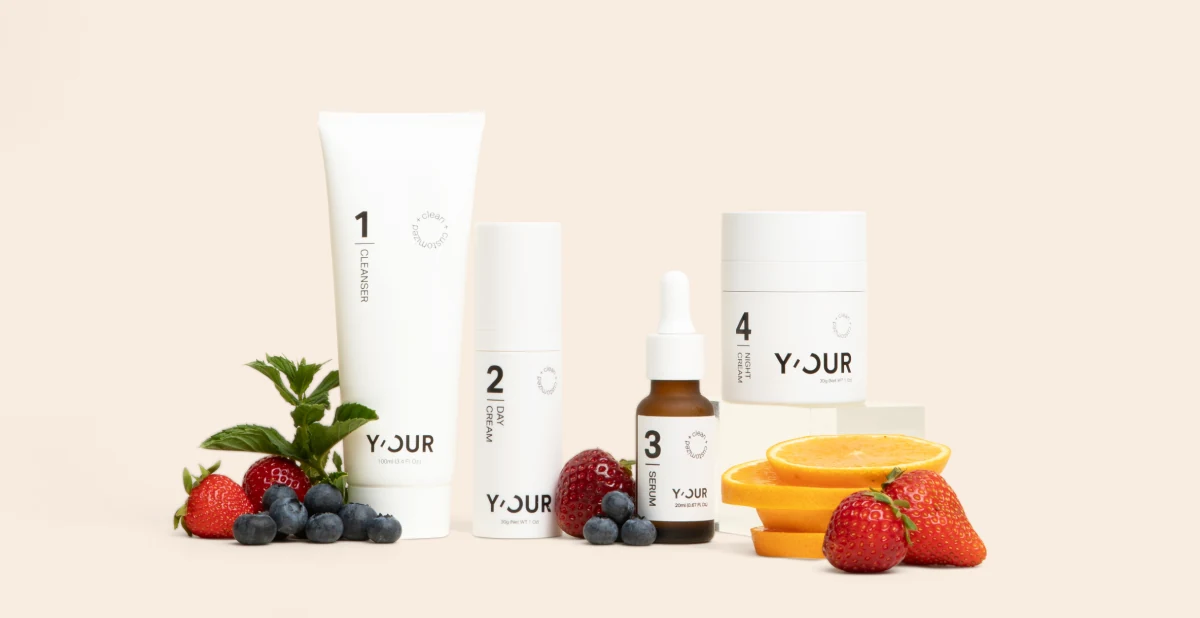
What is CBD in skincare?
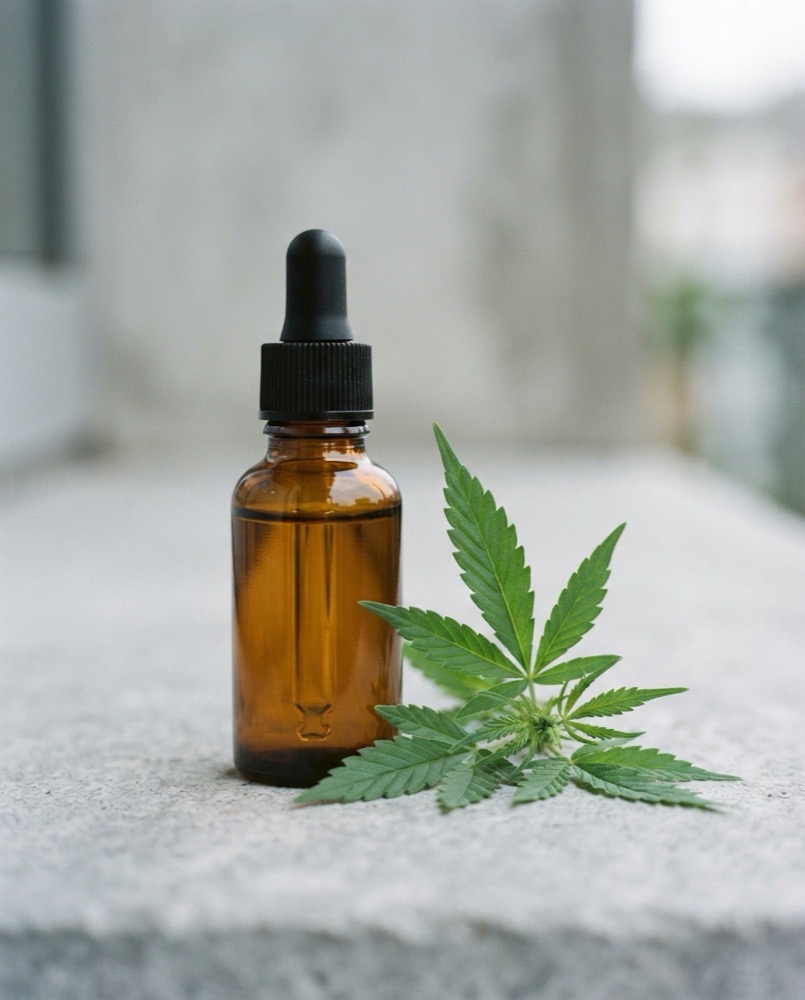
CBD is cannabidiol, one of over a hundred cannabinoids in Cannabis sativa. It is extracted from the flowers and leaves, and unlike THC it is non-psychoactive. It is not the same as hemp seed oil, which comes from the seeds and contains essentially no cannabinoids – a distinction many products blur.
Skin has its own endocannabinoid system, with receptors on keratinocytes, sebocytes and immune cells, which gives topical CBD a plausible mechanism rather than just a marketing story.
What skin concerns does CBD treat?
Its strongest case is inflammation. Research on the anti-inflammatory effects of CBD on acne points to suppression of sebum production and of the inflammatory cascade behind breakouts – a combination few ingredients manage.
A literature review of CBD in cosmetic dermatology also covers eczema, psoriasis, redness and signs of ageing, with antioxidant activity alongside. The evidence is promising but still thin on large human trials, and product quality varies enormously.
What ingredients are best paired with CBD?
It pairs naturally with other calming ingredients – niacinamide, centella asiatica, green tea, colloidal oatmeal – and with ceramides and squalane for barrier repair.
Check the label for a stated CBD content in milligrams and third-party testing; products listing only hemp seed oil contain no CBD. It is generally well tolerated and can sit alongside retinoids and acids as the soothing part of a routine. Take our Skin Quiz.
What are sun spots?
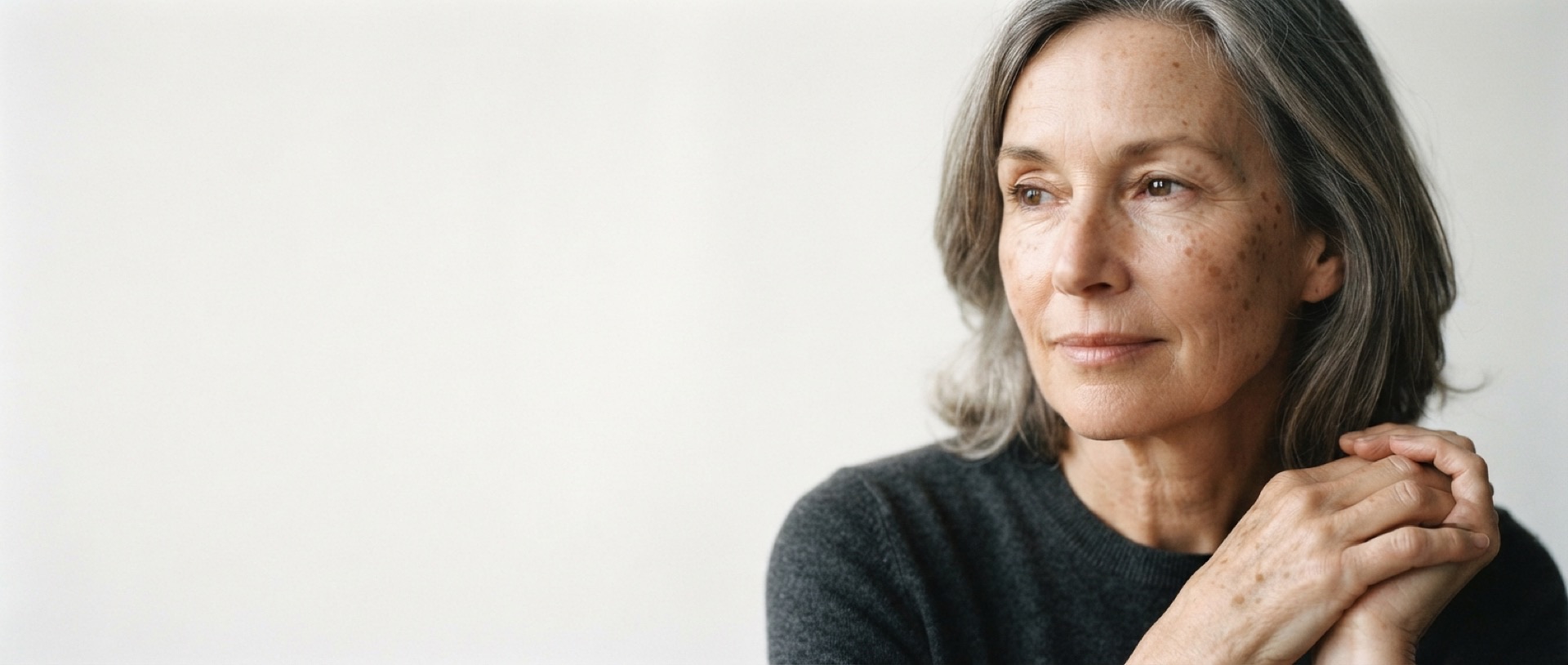
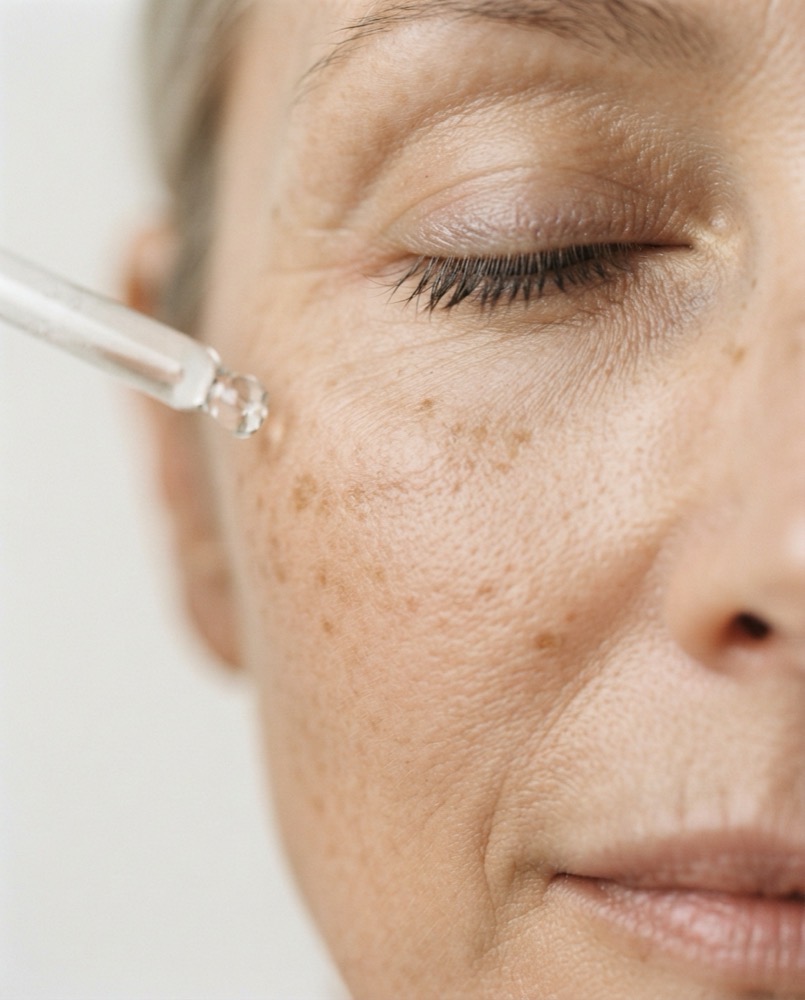
Sun spots are flat patches of concentrated pigment that form where skin has taken the most ultraviolet exposure – cheeks, nose, forehead, hands, shoulders and chest. Dermatologists call them solar lentigines; they are the same thing as age spots.
They are harmless, but they are a visible marker of accumulated photodamage, and they usually arrive alongside other signs of it: fine lines, loss of firmness and an uneven overall tone.
What causes sun spots?
UV radiation prompts melanocytes to produce extra melanin as a defence. With repeated exposure that response becomes localised and fixed, leaving discrete patches instead of an even tan that fades.
Tanning beds, sunburns in childhood, fair skin and outdoor time without protection all increase the count. Incidental exposure – driving, walking, sitting near a window – adds up more than most people expect.
What ingredients are best for sun spots?
Retinoids to accelerate turnover, vitamin C to protect and brighten, and pigment inhibitors such as alpha arbutin, kojic acid, azelaic acid, tranexamic acid and liquorice root are the core toolkit.
Gentle AHAs help shift surface pigment, and niacinamide slows the transfer of melanin into skin cells. None of it holds without daily broad-spectrum SPF and reapplication. Take our Skin Quiz.