

What is CBD in skincare?
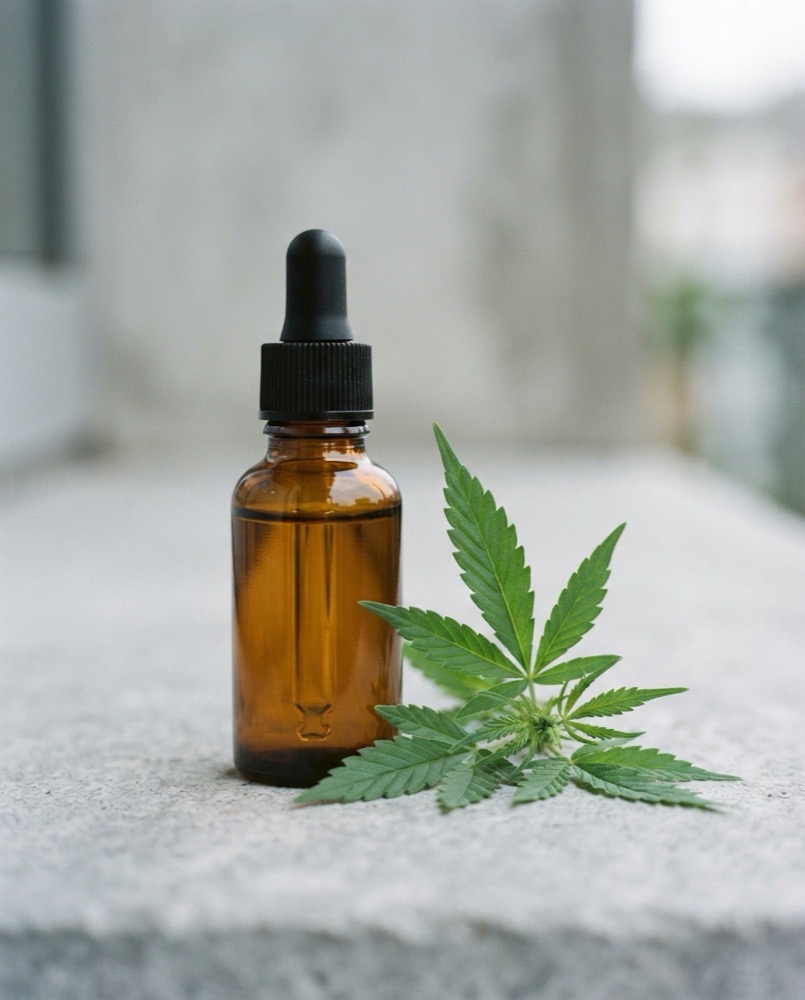
CBD is cannabidiol, one of over a hundred cannabinoids in Cannabis sativa. It is extracted from the flowers and leaves, and unlike THC it is non-psychoactive. It is not the same as hemp seed oil, which comes from the seeds and contains essentially no cannabinoids – a distinction many products blur.
Skin has its own endocannabinoid system, with receptors on keratinocytes, sebocytes and immune cells, which gives topical CBD a plausible mechanism rather than just a marketing story.
What skin concerns does CBD treat?
Its strongest case is inflammation. Research on the anti-inflammatory effects of CBD on acne points to suppression of sebum production and of the inflammatory cascade behind breakouts – a combination few ingredients manage.
A literature review of CBD in cosmetic dermatology also covers eczema, psoriasis, redness and signs of ageing, with antioxidant activity alongside. The evidence is promising but still thin on large human trials, and product quality varies enormously.
What ingredients are best paired with CBD?
It pairs naturally with other calming ingredients – niacinamide, centella asiatica, green tea, colloidal oatmeal – and with ceramides and squalane for barrier repair.
Check the label for a stated CBD content in milligrams and third-party testing; products listing only hemp seed oil contain no CBD. It is generally well tolerated and can sit alongside retinoids and acids as the soothing part of a routine. Take our Skin Quiz.
What is rosacea?
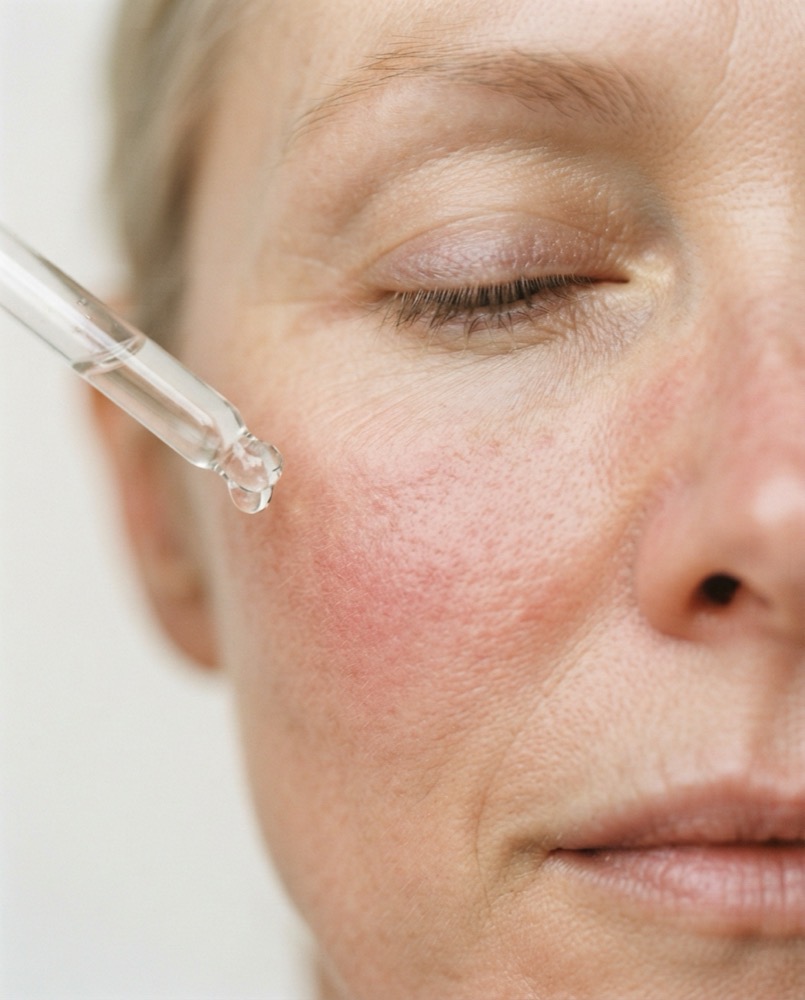
Rosacea is a chronic inflammatory skin condition that affects the central face – cheeks, nose, chin and forehead. It presents as persistent redness, visible broken capillaries, flushing that comes and goes, and in some subtypes acne-like papules and pustules.
Unlike acne, rosacea involves no comedones. It is driven by a combination of vascular hyper-reactivity, neurogenic inflammation and an overactive innate immune response, often with an impaired skin barrier alongside.
What causes rosacea?
There is no single cause. Genetic predisposition, an exaggerated immune response involving cathelicidin, overgrowth of Demodex mites, and dysfunction of the facial blood vessels all appear to contribute.
Flares are triggered by heat, sun exposure, alcohol, spicy food, hot drinks, exercise, stress, wind and cold, and by harsh skincare. Identifying and avoiding your own trigger set does as much as any product.
What ingredients are best for rosacea?
Azelaic acid and niacinamide are the standout actives – both reduce redness and inflammation without provoking the barrier. Sulphur, green tea extract, liquorice root and centella asiatica also calm reactive skin.
Build everything else around barrier repair: ceramides, glycerin, squalane and panthenol, with a gentle non-foaming cleanser and a mineral SPF every day. Avoid alcohol-heavy toners, fragrance, menthol, physical scrubs and high-strength acids. Take our Skin Quiz to build a routine your skin will tolerate.