Post-Summer Skin Recovery: Dermatologist Tips for Skin Barrier Repair
Updated on Sep 18, 2026 • 6 min read
Summer can leave more than a sun-kissed glow behind. Weeks of UV exposure, heat, sweat, swimming and increased outdoor activity can place ongoing stress on the skin, contributing to dehydration, sensitivity and a weakened skin barrier.
You may notice skin that feels tight after cleansing, looks dull despite being oily, or suddenly reacts to products you have used comfortably for months.
These changes are your skin's signal to slow down. Rather than reaching for stronger treatments, post-summer recovery is about returning to gentle skincare and giving the skin barrier the support it needs.
Diagnosing your skin barrier health
Take the Y’OUR Skin AI® Quiz to discover a personalized routine designed to restore balance and support your skin’s needs.
CLAIM 40% OFF FIRST MONTHWhy Does Summer Stress Your Skin Barrier?
The skin barrier plays an important role in limiting water loss from the skin, and increased
transepidermal water loss (TEWL) is associated with impaired barrier function.
Summer can challenge this balance in several ways. The
American Academy of Dermatology notes that summer sun exposure, swimming and air conditioning can contribute to dry, irritated skin, even when the weather itself feels humid.
This is why skin can sometimes feel oily yet dehydrated at the same time.
The first step in skin barrier repair is not adding more—it is removing what your skin no longer needs.
How Do You Know If Your Skin Barrier Is Damaged?
A damaged skin barrier does not always look visibly damaged. Often, the earliest signs are changes in how your skin feels or responds to your routine.
Common damaged skin barrier signs include:
- Tightness or persistent dryness
- Rough, flaky or uneven texture
- Increased sensitivity or redness
- Fine lines appearing more noticeable
- Stinging when applying skincare
These can overlap with dehydration symptoms, but the two concerns are not identical. Dehydrated skin lacks water, while a compromised barrier can make it more difficult for skin to retain that moisture.
How to Heal a Damaged Skin Barrier After Summer?
When your skin is stressed, more skincare isn't always better.
Dermatologists commonly recommend
simplifying your routine and avoiding practices that can further irritate dry or sensitive skin.
The AAD recommends gentle, non-abrasive cleansing, regular moisturizing and broad-spectrum sun protection.
1. Switch to a Gentle Cleanser
Cleansing removes sweat, sunscreen, oil and environmental residue, but an overly aggressive cleanser can leave already-dry skin feeling even tighter.
Choose a
gentle cleanser that is non-abrasive and fragrance-free, particularly if your skin has become sensitive.
Dermatologists recommend gentle, fragrance-free cleansers for dry or sensitive skin and advise avoiding harsh cleansing practices that can further irritate the skin.
If you're wondering about the best cleanser for dehydrated skin, focus less on finding a universally "best" formula and more on choosing one that cleans effectively without leaving your skin feeling stripped.
2. Prioritize Hydration and Moisture
Dehydrated skin needs water, while a compromised barrier also needs support to reduce excessive moisture loss.
Look for formulas containing ingredients commonly used to support hydration and moisturization, such as:
- Hyaluronic acid to help retain moisture
- Ceramides to support the skin's lipid barrier
- Squalane to help soften and moisturize
- Niacinamide for multiple skin-supporting benefits
Rather than searching for a single "best barrier repair cream for face," consider your skin type, current concerns and how your skin responds to the complete formula.
3. Don't Over-Exfoliate
Post-summer skin can feel rough, which may make you want to exfoliate more. But if your skin is already dry, irritated or sensitive, aggressive exfoliation can make the problem worse.
Give your skin time to settle before increasing exfoliation. If your normal routine contains multiple acids, scrubs or other potentially irritating actives, consider simplifying it while your skin feels compromised.
4. Keep Wearing Sunscreen
Barrier recovery does not mean taking a break from sun protection. Daily broad-spectrum sunscreen remains essential, even as you transition into fall.
The AAD recommends broad-spectrum, water-resistant SPF 30 or higher as part of daily sun protection and notes that consistent sun protection is an important part of an anti-aging skincare routine.
Think of SPF as part of your recovery routine—not an optional final step.
Protect your skin while perfecting your complexion
Post-summer skin still needs daily UV protection. Give your skin a flawless finish while protecting against sun exposure.
SHOP YOUR DAILY SPF Personalized Skin Barrier Support with Y'OUR®
There is no single best barrier repair cream, routine or combination of skin barrier repair products for everyone. Every skin barrier responds differently to seasonal stress. Your skin type, environment, lifestyle and existing concerns all influence what your skin needs.
Our proprietary Skin AI algorithm identifies exactly what your skin needs by analyzing your environment, lifestyle, and skin concerns. Instead of placing you into a generic skin type category, we determine your specific PIH sensitivity, your hydration balance, and your exact peptide pairing.
Instead of guessing which cream will fix a damaged skin barrier, Y'OUR takes a personalized approach.
Our Skin AI® quiz considers your individual skin profile and goals to create a customized skincare routine with carefully selected ingredients. Whether your priority is post-summer dehydration, sensitivity, uneven texture or visible signs of aging, your formula is designed around your skin—not a one-size-fits-all routine.
Healthy-looking skin starts with a well-supported barrier. And because every skin barrier responds differently, the best routine is one that's tailored to you. Take the Y'OUR Skin AI® Quiz and discover a personalized routine designed for your skin's needs.
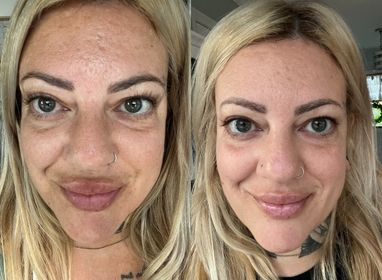
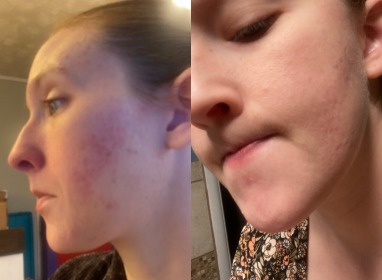
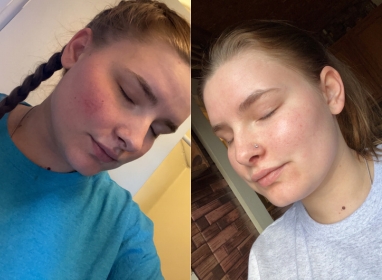
TAKE THE QUIZ "I’m blown away by the incredible result. I couldn’t be happier. My skin is less red and my skin texture has evened out a lot. I am on my 2nd month and can't wait to see more long-term effects."
"My skin is the clearest it’s been in 2 years. Since January, I've seen good results, I no longer experience dryness. I'll keep using these products since they’ve worked best for me."
"I'm on my second box! I've been dealing with dryness and itchiness and I cannot stand it. After a week my redness is completely gone and the hydration serum is a lifesaver."
The Bottom Line: Recover Before You Over-Treat
Post-summer skin doesn't necessarily need a more aggressive routine. It may need a more thoughtful one.
UV exposure, heat, sweat, swimming and frequent cleansing can contribute to dehydrated skin, sensitivity and a compromised skin barrier. If you notice tightness, dryness, rough texture or increased sensitivity, focus first on skin barrier repair with a gentle cleanser, consistent hydration, a suitable moisturizer and daily SPF.
Because every skin barrier responds differently to seasonal stress, there is no single best routine or product to repair a damaged skin barrier. Your skincare should be selected around your skin type, concerns and goals.
Ready to give your skin a more personalized reset?
Take the Y'OUR Skin AI® Quiz to discover a customized skincare routine designed around what your skin needs now.