PDRN Skincare: The Truth About Its Benefits for Aging Skin
Updated on Sep 15, 2026 • 8 min read
PDRN skincare is everywhere. From salmon DNA serums and masks to professional treatments, PDRN has quickly become one of beauty’s most talked-about ingredients. But here’s the question the hype sometimes skips:
Can PDRN really do everything your skin needs, or has the beauty industry found another ingredient to crown as a miracle cure?
The short answer: PDRN is promising, particularly in the areas of skin repair and regeneration, but it isn't magic.
Research has explored PDRN and related treatments for skin rejuvenation, wound healing and scar-related applications, with studies reporting potential improvements in areas such as skin texture, wrinkles and healing.
PDRN may have a valuable place in a thoughtful skincare routine. But for skin that is becoming more focused on barrier health, hydration, firmness, recovery, and signs of aging, one ingredient alone isn't the whole answer.
Support Your Skin Through Every Stage of Aging
Discover a personalized routine designed around fine lines, firmness, hydration, and other signs of aging.
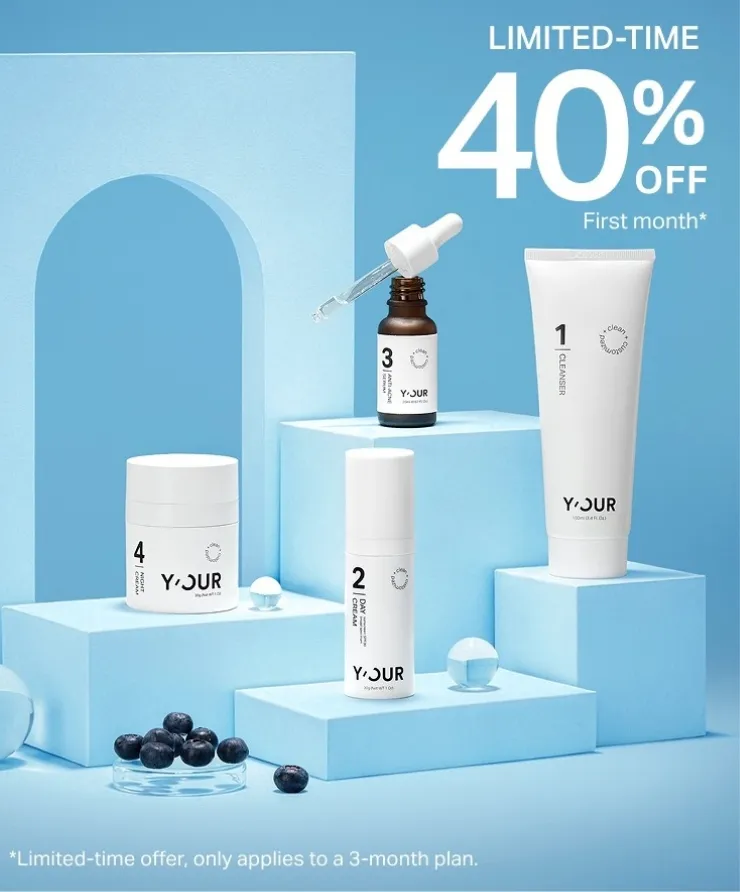
CLAIM 40% OFF FIRST MONTHWhat Is PDRN in Skincare?
PDRN, short for polydeoxyribonucleotide, is a DNA-derived ingredient made up of nucleotide fragments.
When people talk about
salmon PDRN or
salmon DNA skincare, they're usually referring to PDRN traditionally derived from salmon DNA. The ingredient has been studied for its potential role in tissue
repair and regeneration, including through pathways involving adenosine A2A receptors.
That regenerative reputation is what made PDRN particularly popular in aesthetic medicine before it became a skincare trend.
And there is genuine scientific interest here. A recent systematic review of randomized clinical trials found potential benefits of PDRN and related polynucleotides in areas including wound healing, scar outcomes and skin rejuvenation—but also emphasized that the current evidence base is still limited by small sample sizes, different treatment protocols and
variable outcomes.
For mature skin, that distinction matters. Supporting the skin's natural repair processes is different from reversing every visible sign of aging.
PDRN Benefits: What Can It Actually Do?
The beauty industry's excitement around PDRN isn't completely unfounded. Research into PDRN has focused heavily on repair, regeneration, and recovery.
Depending on the formulation, delivery method, and type of PDRN used, potential benefits being investigated or marketed include:
- Improving the appearance of skin texture, fine lines & wrinkles
- Supporting collagen-related processes
- Helping soothe the appearance of irritation
- Supporting skin recovery following certain treatment procedures
- Supporting healthier-looking, more resilient skin
There is also emerging research specifically examining topical PDRN. A
2026 study investigated a topical PDRN preparation in photodamaged skin and reported improvements in several measures of skin structure and appearance over 28 days.
However, that's still a relatively specific formulation and study—not proof that every PDRN product will produce the same results.
Can PDRN Cure Every Skin Problem?
Short answer: No—and understanding its limitations is just as important as understanding its potential.
For skin that is focused on long-term health, the goal isn't necessarily to find the strongest or newest ingredient. It's to understand which concerns need attention and how different ingredients can work together.
PDRN won't magically cure active cystic acne
Cystic acne is a complex inflammatory skin condition. It can involve hormones, excess sebum, follicular blockage, inflammation and other biological factors.
A regenerative ingredient may have a place in supporting the skin around acne or after blemishes, but that doesn't make it a substitute for an acne-focused treatment plan. If you're dealing with persistent or severe acne, treating the underlying condition matters more than adding the latest trending ingredient.
PDRN can't permanently shrink your pores
This is another common skincare misconception. Pore size is influenced by factors including genetics, sebum production and skin structure. You can improve the appearance of pores by managing oil, buildup and overall skin texture, but no topical ingredient can simply erase your genetically determined pore size.
PDRN may support healthier-looking skin texture, but that's very different from permanently changing pore anatomy.
PDRN doesn't replace sunscreen
This remains one of the most important foundations of any age-defying skincare routine.
UV exposure contributes to photoaging, pigmentation, and visible changes in skin texture. While research into PDRN's regenerative potential is interesting, it isn't a substitute for preventing UV-related damage in the first place.
Supporting skin recovery and protecting it from further damage need to work together.
PDRN doesn't replace a healthy skin barrier routine
As skin becomes drier or more sensitive, maintaining the barrier can become increasingly important.
A trendy active can't compensate for constantly stripping your skin with harsh cleansers, over-exfoliating, skipping moisturizer or using products your skin doesn't tolerate.
Your skin barrier is influenced by hydration, lipids, cleansing, environmental exposure and the overall balance of your routine. Research into PDRN and barrier support is promising, but the evidence varies depending on the specific PDRN preparation and study model.
So if your skin barrier is struggling, the question shouldn't simply be:
"What's the strongest barrier repair ingredient?"
It should be:
"What does my skin actually need right now?"
PDRN vs. Skin Barrier Repair: Where Does It Fit?
But if your barrier is compromised, don't automatically conclude: “I need PDRN.”
A healthy barrier routine still starts with fundamentals:
- Daily sunscreen
- Gentle cleansing
- Appropriate moisturization
- Using active ingredients according to your skin's tolerance
- Supporting hydration and skin lipids
PDRN may potentially play a supporting role within this kind of routine. But it doesn't need to become the entire routine.
For mature skin especially, regeneration isn't about adding more and more actives. It's about giving the skin the right environment to remain hydrated, supported, and resilient.
Y'OUR's Approach: Your Skin Doesn't Need a Miracle. It Needs the Right Combination
At Y'OUR Skin, we don't believe healthy-looking skin comes from finding one “miracle ingredient.” It comes from finding the right combination for your specific skin.
PDRN may be an interesting addition to skincare, but it isn't automatically the right answer for everyone. A routine designed for someone experiencing dehydration may look very different from one designed around congestion. Someone focused on signs of aging may need a different combination from someone whose primary concern is sensitivity or uneven tone.
That's why personalization matters.
Y'OUR's approach considers your individual skin goals and characteristics to create a routine designed around how your skin actually behaves, rather than simply following whichever ingredient is trending.
Take the 2-minute Skin AI® Quiz to discover a personalized regimen formulated around your skin concerns—from hydration and barrier support to uneven tone, sensitivity, and visible signs of aging. Clean ingredients. USA-made. Vegan. Yours.
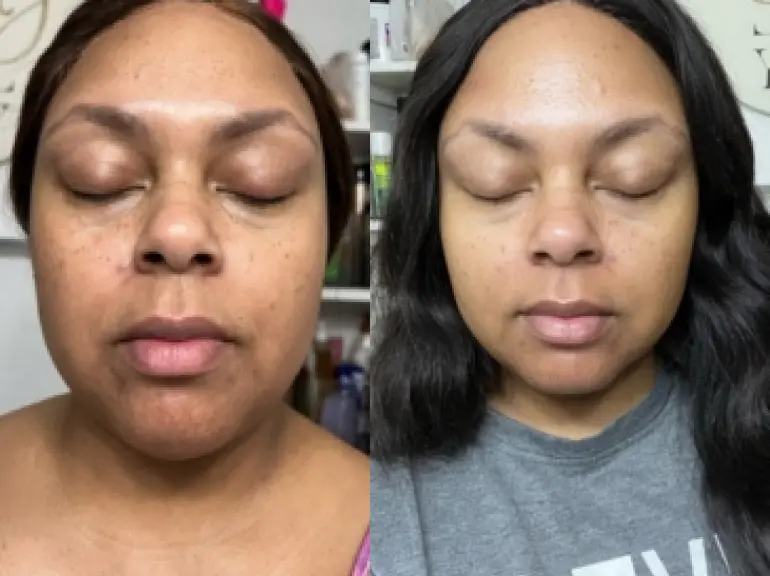
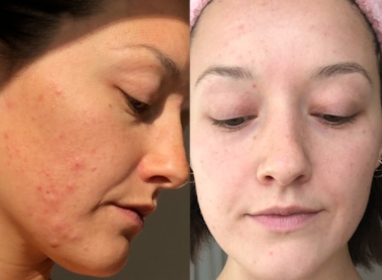
TAKE THE QUIZ"My skin is definitely a lot smoother. Most importantly, I noticed that my laugh line is not as prominent. My makeup does not break as fast as it used to. I'm definitely happy about that."
"The cleanser didn't feel stripping at all. I like how the night cream dispenses just the right amount so there is no waste. My wrinkles are slightly better, and i think it helped prevent breakouts."
"It made a huge difference in my skin. They got rid of all the flakiness. It made my skin feel so much nicer, not as dry, and my wrinkles are not as prominent"
The Bottom Line: Is PDRN Worth the Hype?
PDRN is promising, but it isn't magic.
Research supports its potential in skin repair and regeneration, and newer studies are exploring its topical applications. But the evidence is still developing, and results depend heavily on the specific formulation, delivery method and skin concern.
So, should you try PDRN? Maybe. But don't buy it because TikTok called it a miracle. Consider it because it may fit a specific goal within a well-designed routine. For some routines, it may be a useful supporting ingredient. For others, different ingredients may be more relevant.
And remember: Your skin doesn't need one ingredient to do everything. It needs the right combination of ingredients, the right routine, and the consistency to let that routine work.
Take the Y'OUR Skin AI® Quiz and discover a personalized skincare routine created around your skin concerns and long-term skin health.