

What is witch hazel in skincare?
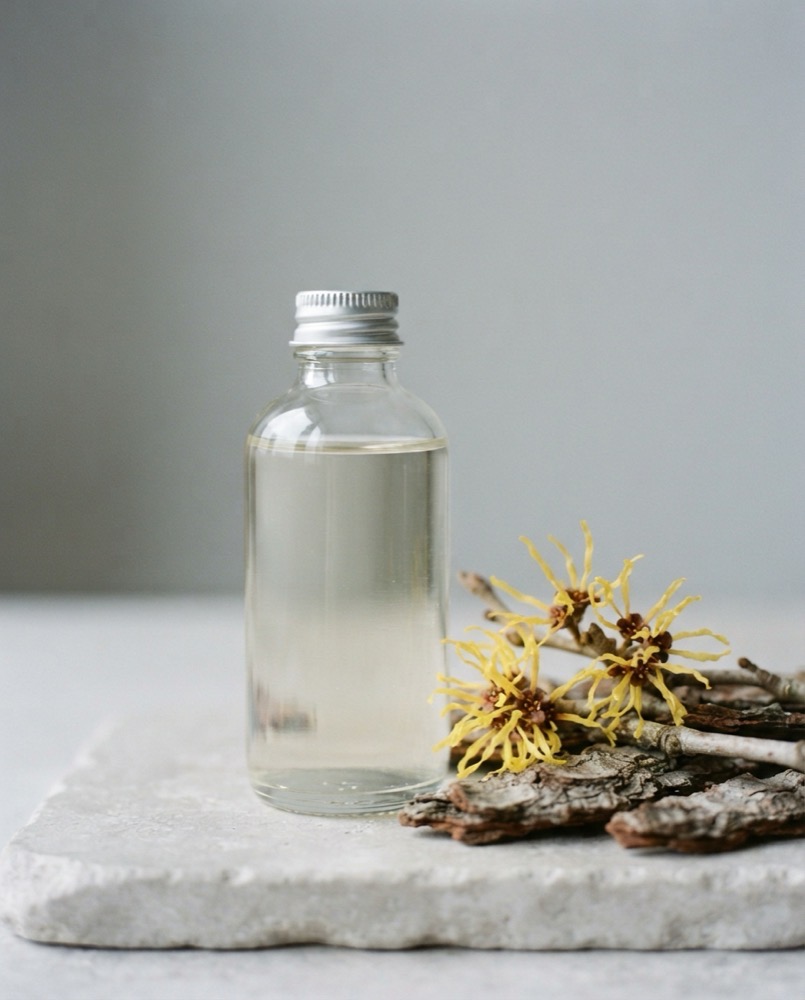
Witch hazel is an extract of the bark and leaves of Hamamelis virginiana, a North American shrub. Its activity comes from tannins – principally hamamelitannin – which bind proteins and make tissue contract, the classic astringent effect.
The critical variable is formulation. Traditional distillates are preserved with 14 to 15% alcohol, which is what gives many witch hazel toners their reputation for drying skin out. Pharmacological reviews of the plant credit it with antioxidant and anti-inflammatory activity independent of that alcohol.
What skin concerns does witch hazel treat?
It temporarily tightens the look of pores, reduces surface oil and calms minor inflammation, which is why it appears in products for oily and acne-prone skin. Extracts show documented anti-inflammatory and anti-acne effects.
It also soothes insect bites, minor grazes and razor burn. Used daily in an alcohol-heavy form, however, it strips the barrier and can push skin into producing more oil, not less.
What ingredients are best paired with witch hazel?
Choose an alcohol-free formulation and follow it with hydration – hyaluronic acid, glycerin, niacinamide – plus ceramides to keep the barrier intact.
For the concerns it is usually bought for, salicylic acid and niacinamide do more with less collateral dryness. Treat witch hazel as an occasional soothing step rather than a daily toner. Take our Skin Quiz.
What are acne scars?
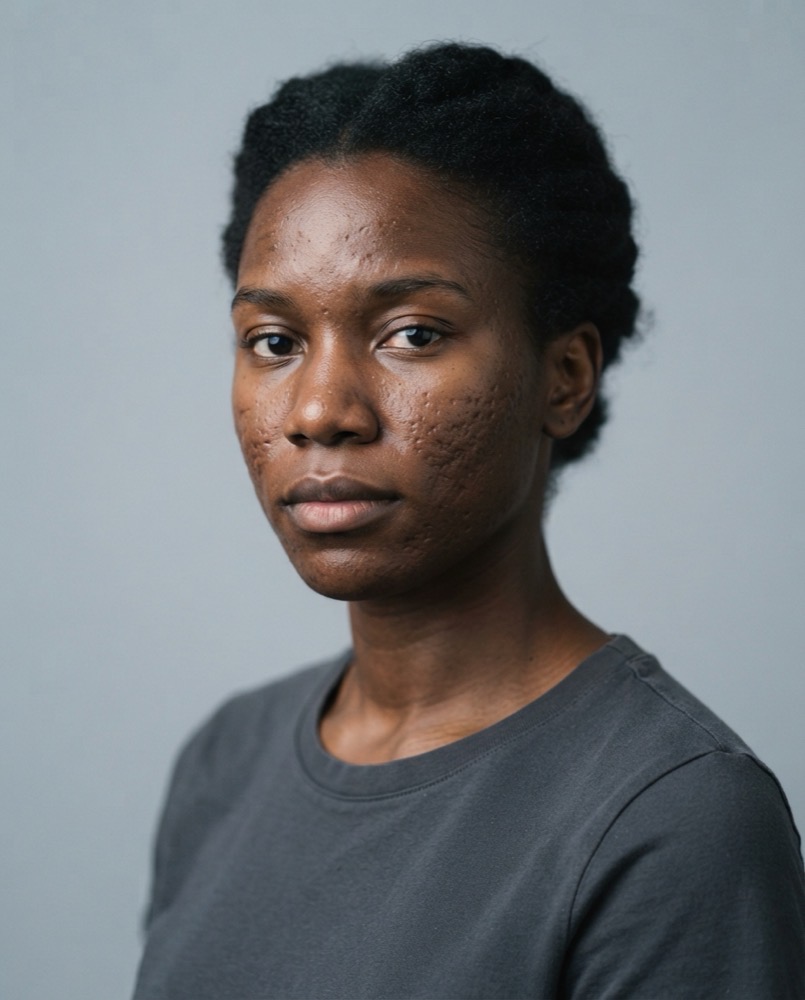
Acne scars are permanent changes in skin texture left behind after inflammatory acne damages the dermis. They fall into two families: atrophic scars, which sit below the surface as ice-pick, boxcar or rolling depressions, and hypertrophic or keloid scars, which sit raised above it.
What most people call scarring is often post-inflammatory hyperpigmentation or erythema – flat brown or red marks with no texture change. Those fade on their own; true atrophic scars do not.
What causes acne scars?
Scarring happens when inflammation reaches deep enough to destroy collagen and the repair process either lays down too little (atrophic) or too much (hypertrophic). Deep nodular and cystic lesions carry the highest risk.
Delaying treatment, picking or squeezing, and prolonged inflammation all increase the odds. Genetics play a large part in who scars and how, which is why two people with identical acne can heal very differently.
What ingredients are best for acne scars?
For flat marks, ingredients that speed turnover and calm pigment work well: retinoids, vitamin C, niacinamide, azelaic acid, alpha arbutin and AHAs, with daily SPF to stop marks darkening again.
For true textural scarring, topicals can soften but not erase – retinoids and peptides help remodel collagen over months, while in-clinic options like microneedling, resurfacing and subcision do the heavy lifting. Preventing new inflammation is the highest-value step. Take our Skin Quiz.