

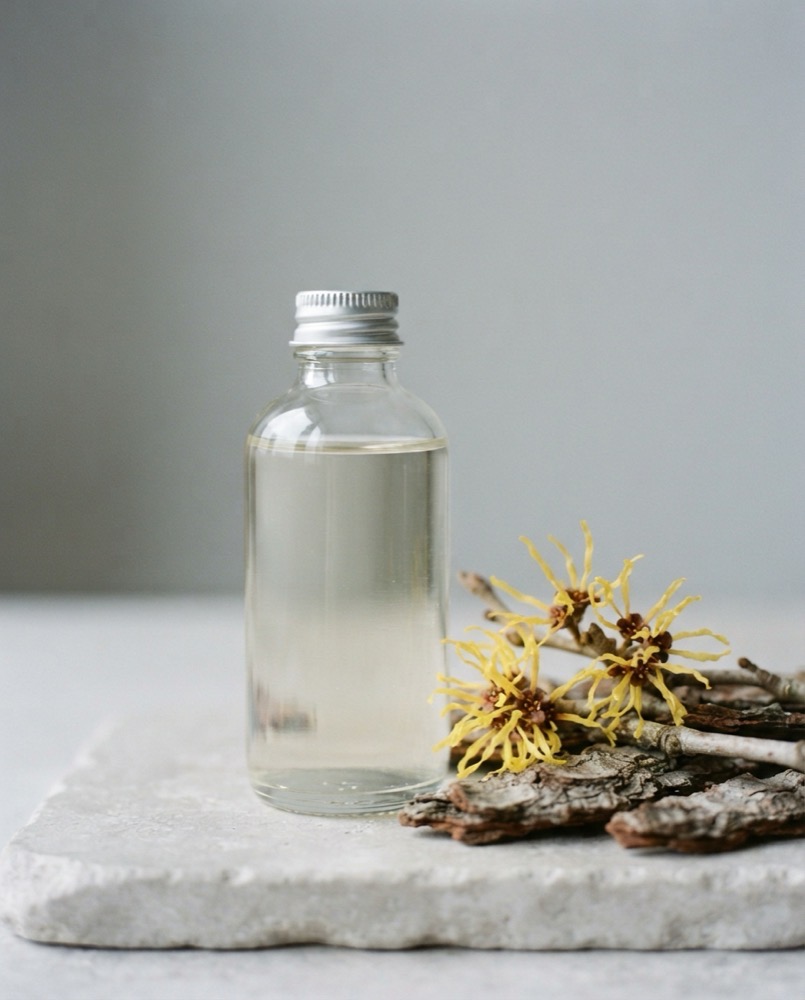
What is witch hazel in skincare?
Witch hazel is an extract of the bark and leaves of Hamamelis virginiana, a North American shrub. Its activity comes from tannins – principally hamamelitannin – which bind proteins and make tissue contract, the classic astringent effect.
The critical variable is formulation. Traditional distillates are preserved with 14 to 15% alcohol, which is what gives many witch hazel toners their reputation for drying skin out. Pharmacological reviews of the plant credit it with antioxidant and anti-inflammatory activity independent of that alcohol.
What skin concerns does witch hazel treat?
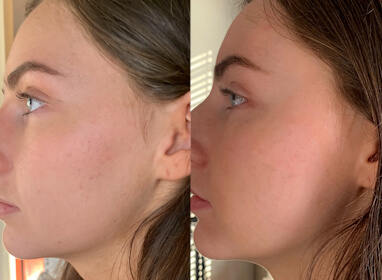
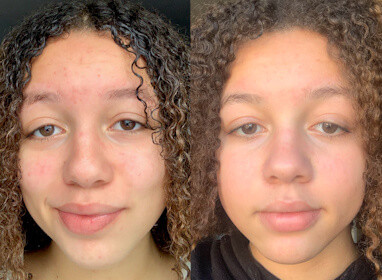
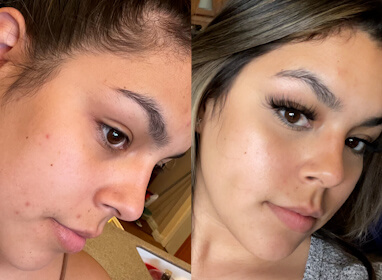
It temporarily tightens the look of pores, reduces surface oil and calms minor inflammation, which is why it appears in products for oily and acne-prone skin. Extracts show documented anti-inflammatory and anti-acne effects.
It also soothes insect bites, minor grazes and razor burn. Used daily in an alcohol-heavy form, however, it strips the barrier and can push skin into producing more oil, not less.
What ingredients are best paired with witch hazel?
Choose an alcohol-free formulation and follow it with hydration – hyaluronic acid, glycerin, niacinamide – plus ceramides to keep the barrier intact.
For the concerns it is usually bought for, salicylic acid and niacinamide do more with less collateral dryness. Treat witch hazel as an occasional soothing step rather than a daily toner. Take our Skin Quiz.
What is acne?
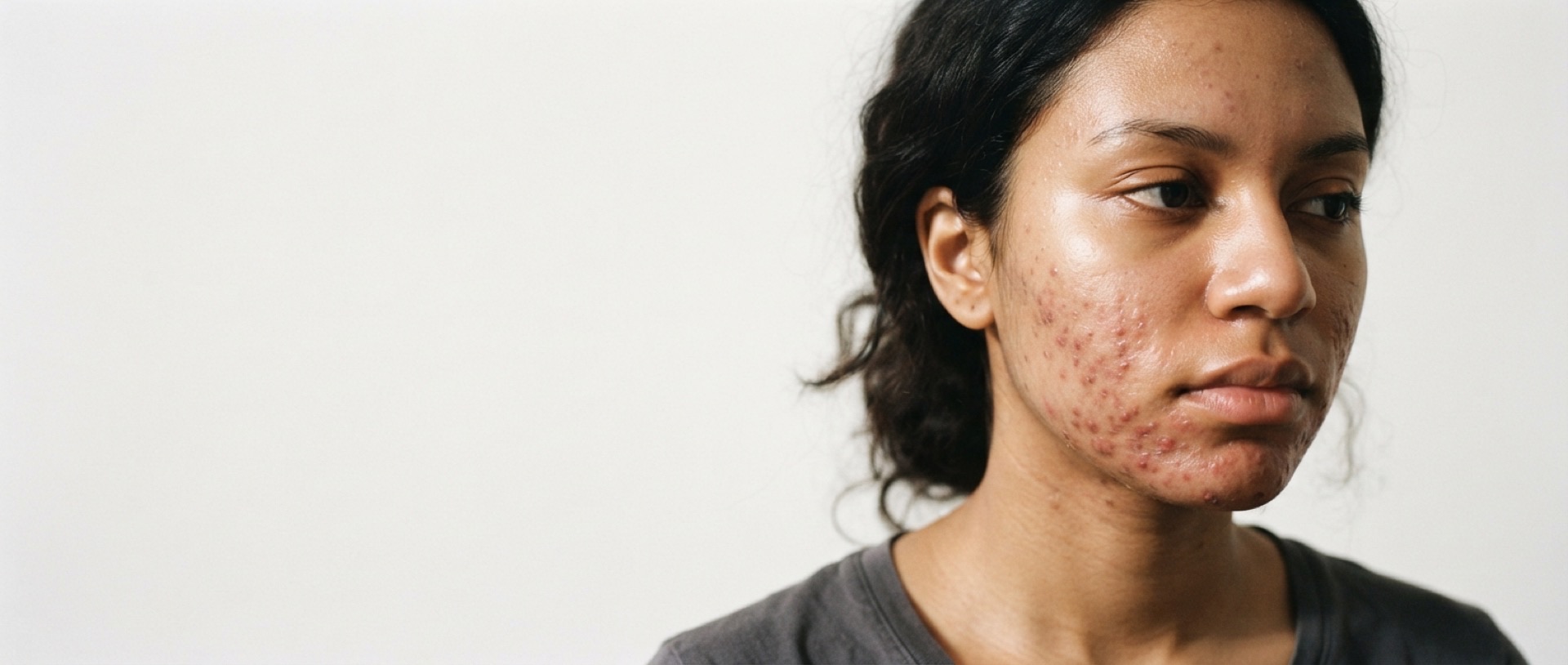
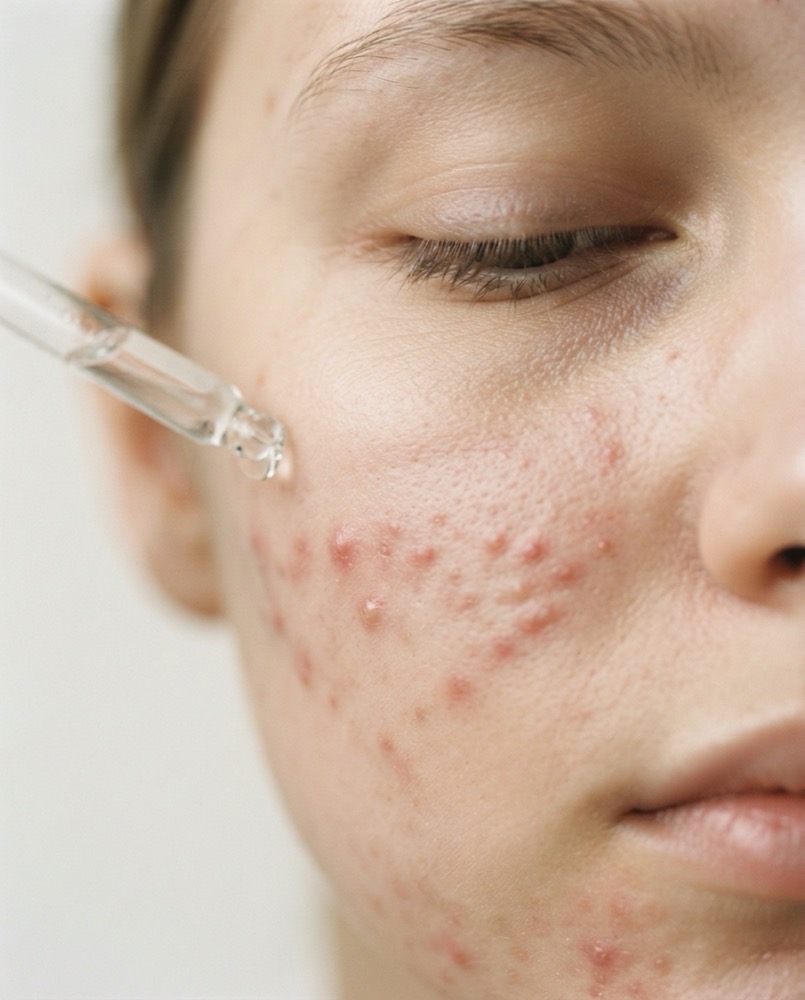
Acne vulgaris is a chronic inflammatory condition of the pilosebaceous unit – the hair follicle and its attached oil gland. It produces blackheads and whiteheads, inflamed papules and pustules, and in severe cases deep nodules and cysts.
It is the most common skin condition worldwide, and it is not a hygiene problem. Acne begins with a microcomedone forming invisibly inside the follicle, weeks before anything shows on the surface.
What causes acne?
Four mechanisms work together: excess sebum driven by androgens, abnormal shedding of cells inside the follicle, overgrowth of Cutibacterium acnes, and the inflammatory response that follows.
Genetics set the baseline. Hormonal fluctuation, stress, high-glycaemic diets, comedogenic products, friction from masks or helmets, and certain medications all push it further. Over-cleansing and picking make it visibly worse.
What ingredients are best for acne?
Salicylic acid clears inside the pore, benzoyl peroxide reduces bacterial load, and retinoids prevent the plug forming in the first place – that last one is the most valuable long-term.
Azelaic acid and niacinamide reduce inflammation and the marks left behind, and sulphur or clay help oily, congested skin. Keep the barrier intact with a gentle cleanser and a light non-comedogenic moisturiser; stripped skin produces more oil. Take our Skin Quiz.