What is vitamin C in skincare?
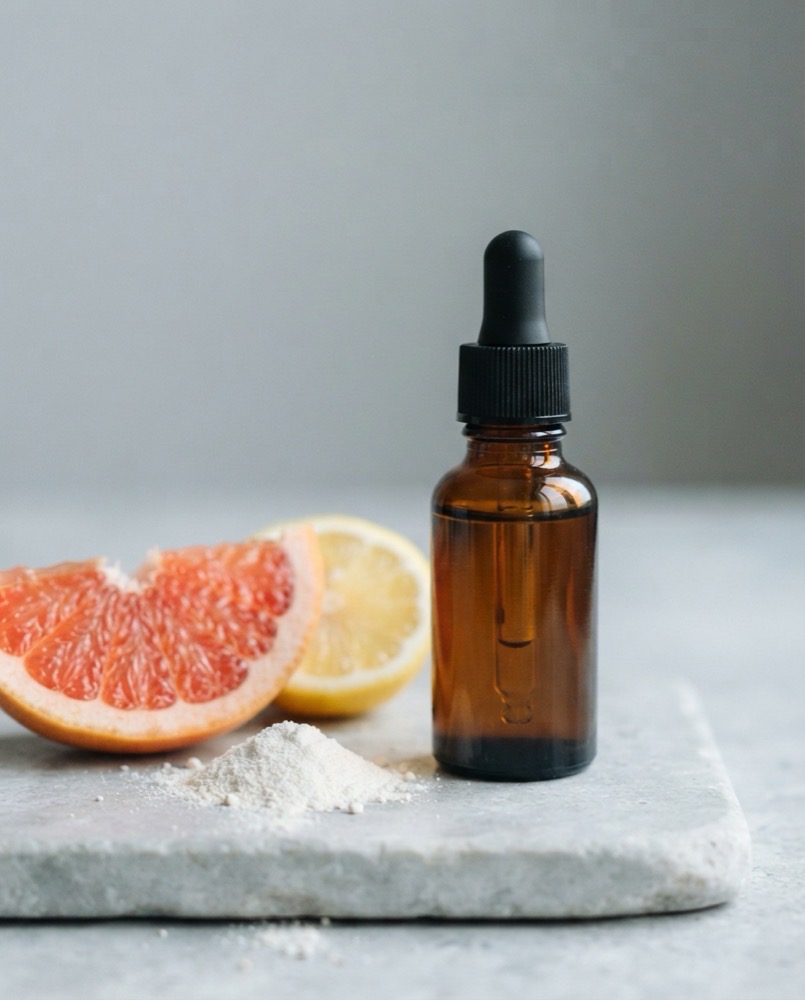
Vitamin C is an antioxidant and an essential cofactor in collagen synthesis. In skincare it appears as L-ascorbic acid – the purest and best-studied form – or as more stable derivatives such as sodium ascorbyl phosphate, magnesium ascorbyl phosphate and tetrahexyldecyl ascorbate.
Skin cannot make its own vitamin C, and levels fall with age and UV exposure. Applied topically at the right pH and concentration, it penetrates the epidermis and replenishes what has been depleted.
What skin concerns does vitamin C treat?
It neutralises free radicals generated by UV and pollution, which makes it a genuine daytime defence layer under sunscreen rather than a replacement for it. It also inhibits tyrosinase, the enzyme behind melanin production, so it fades dark spots and evens overall tone.
Because it is required for collagen cross-linking, consistent use improves firmness and softens fine lines. Clinical work shows measurable benefit in photoaging and melasma over several months.
What ingredients are best paired with vitamin C?
Vitamin E and ferulic acid are the classic partners – together they stabilise L-ascorbic acid and multiply its photoprotective effect. Add hyaluronic acid to offset any dryness, and follow with broad-spectrum SPF every morning.
Niacinamide and vitamin C work well together in modern formulations, despite the old myth that they cancel out. Avoid layering it directly with strong AHAs, BHAs or benzoyl peroxide in the same step. Store it dark and airtight; oxidised vitamin C turns orange and stops working. Take our Skin Quiz.
What are dark spots?
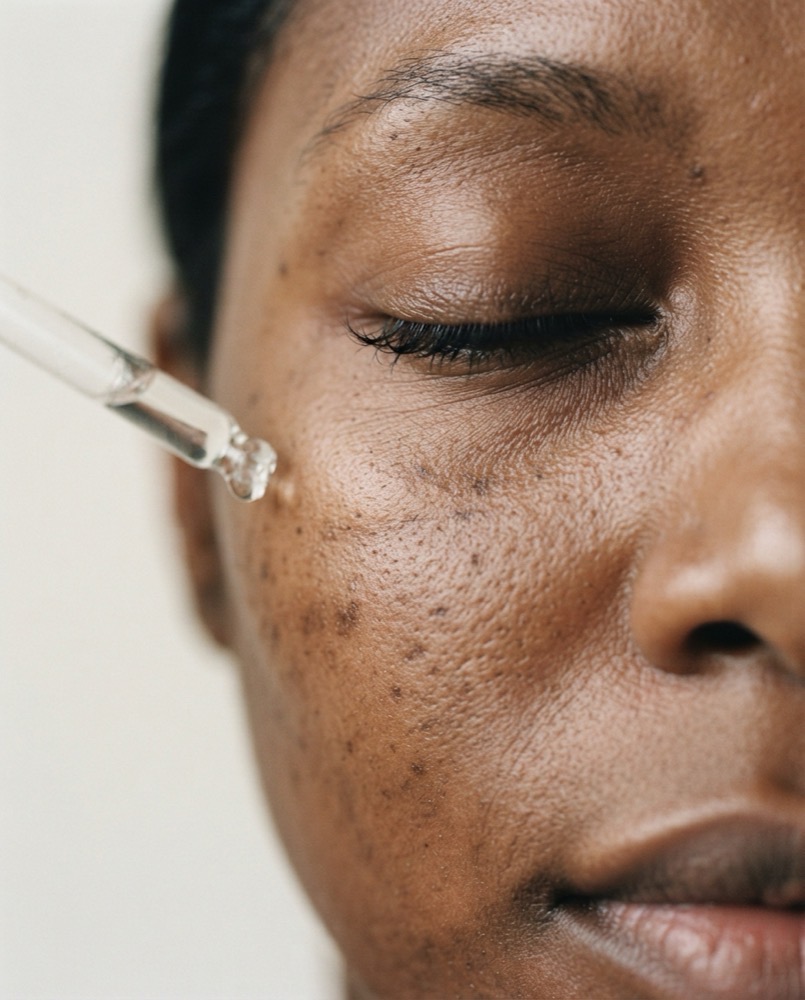
Dark spots are localised patches where the skin has produced more melanin than the surrounding area. The umbrella term covers sun spots, post-acne marks, melasma patches and freckles – different causes, same visible result.
They are flat rather than raised, vary from light tan to deep brown, and are most noticeable on the face, hands and chest. In deeper skin tones they tend to be darker and to last considerably longer.
What causes dark spots?
Two mechanisms dominate. Ultraviolet exposure triggers protective melanin production, and inflammation – from acne, ingrown hairs, eczema, friction, burns or harsh treatments – leaves post-inflammatory hyperpigmentation behind as it heals.
Hormonal change, some medications and heat add to it. Picking at spots is one of the most avoidable causes: the extra inflammation reliably makes the mark darker and longer-lived than the original blemish.
What ingredients are best for dark spots?
Vitamin C, niacinamide and azelaic acid are the everyday workhorses. For stubborn pigment, alpha arbutin, tranexamic acid, kojic acid and liquorice root extract interrupt melanin production directly.
Retinoids and gentle AHAs clear pigmented cells faster from the surface. Give any routine twelve weeks before judging it, and wear broad-spectrum SPF daily or the spots will simply redarken. Take our Skin Quiz.