

What is turmeric in skincare?
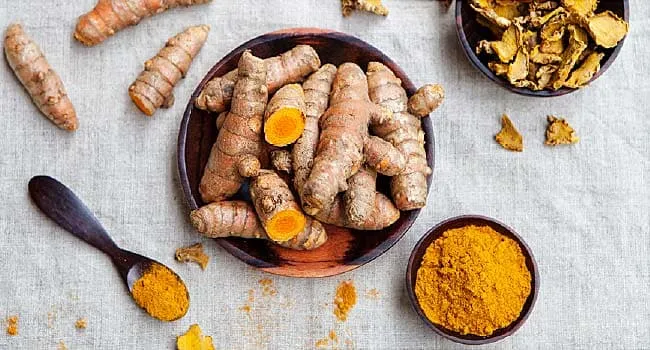
Turmeric is the rhizome of Curcuma longa, a member of the ginger family, ground into the bright yellow powder used in cooking. Its skincare activity comes from curcuminoids – principally curcumin – which are potent antioxidants and anti-inflammatories.
Curcumin is poorly absorbed and unstable on its own, so modern formulations use extracts or encapsulated forms rather than raw powder. Systematic review of clinical evidence finds genuine but modest benefit across a range of skin conditions.
What skin concerns does turmeric treat?
Its anti-inflammatory action helps acne, eczema, psoriasis and general redness, and its antioxidant capacity works against the free-radical damage behind photoageing. It also inhibits melanin production, which is why it appears in brightening masks.
Research also supports a role in wound healing and several skin disorders. The practical drawback is staining – turmeric is a powerful dye and will tint pale skin and fabric yellow.
What ingredients are best paired with turmeric?
In DIY masks it is traditionally combined with yogurt, honey or oatmeal, which buffer the staining and add their own soothing effect.
In formulated products it pairs well with niacinamide and vitamin C for tone, and with ceramides and squalane for barrier support. Patch test first – curcumin causes contact dermatitis in a minority of people. Take our Skin Quiz.
What is hormonal acne?
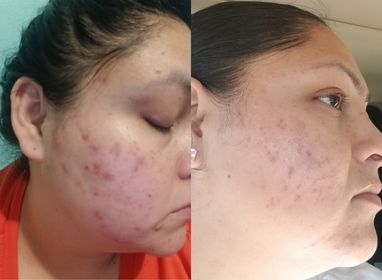
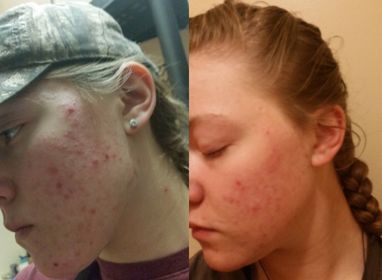
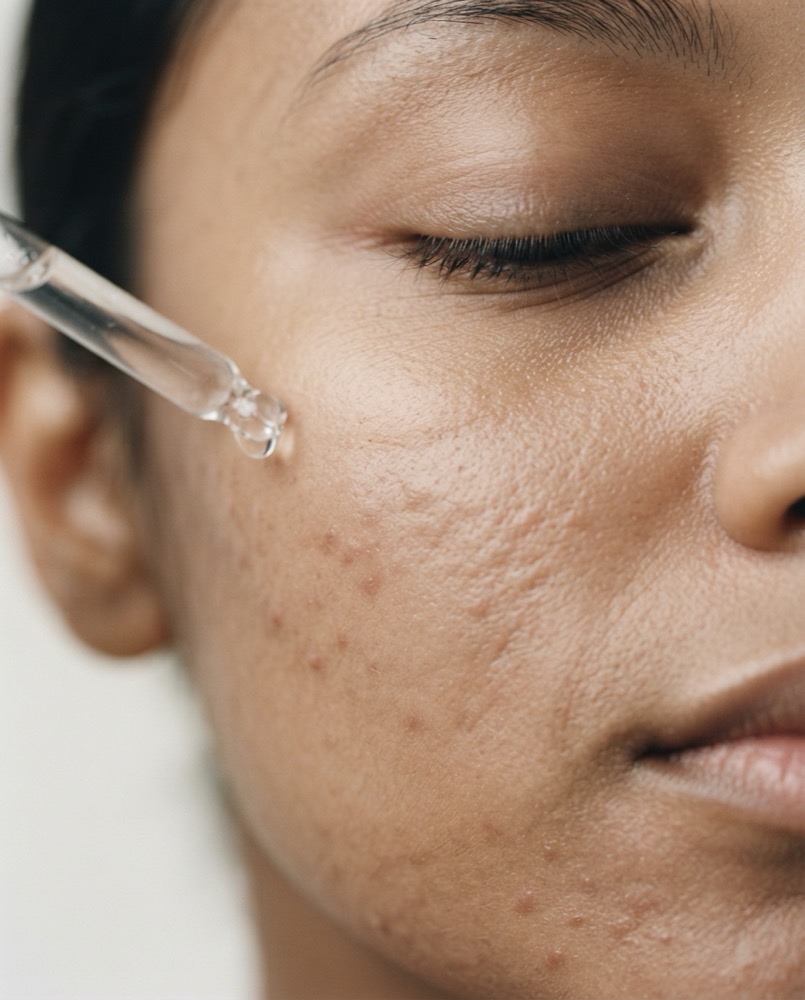
Hormonal acne is acne whose timing and pattern track with hormonal activity rather than with cleansing habits or diet alone. It typically appears along the lower face – jawline, chin and upper neck – as deep, tender papules and cysts that flare on a predictable cycle.
It is most recognisable in adult women, where breakouts often arrive in the week before menstruation and settle again afterwards.
What causes hormonal acne?
Androgens – testosterone and DHT in particular – bind to receptors on the sebaceous gland and increase sebum production. When androgen activity rises or oestrogen falls, oil output climbs and follicles clog more readily.
Menstrual cycles, starting or stopping contraception, pregnancy, perimenopause and PCOS are the usual contexts. Stress raises cortisol, which amplifies the same pathway. Persistent hormonal acne with irregular cycles or excess hair growth is worth investigating medically.
What ingredients are best for hormonal acne?
Retinoids are the most effective topical, because they stop the plug forming regardless of how much oil is being produced. Azelaic acid reduces inflammation and the marks that follow, and niacinamide helps regulate sebum.
Salicylic acid keeps pores clear between flares, and benzoyl peroxide targets bacteria in inflamed lesions. Because hormonal acne is driven from the inside, topicals manage rather than cure it – consistency across the whole cycle beats spot-treating during a flare. Take our Skin Quiz.