

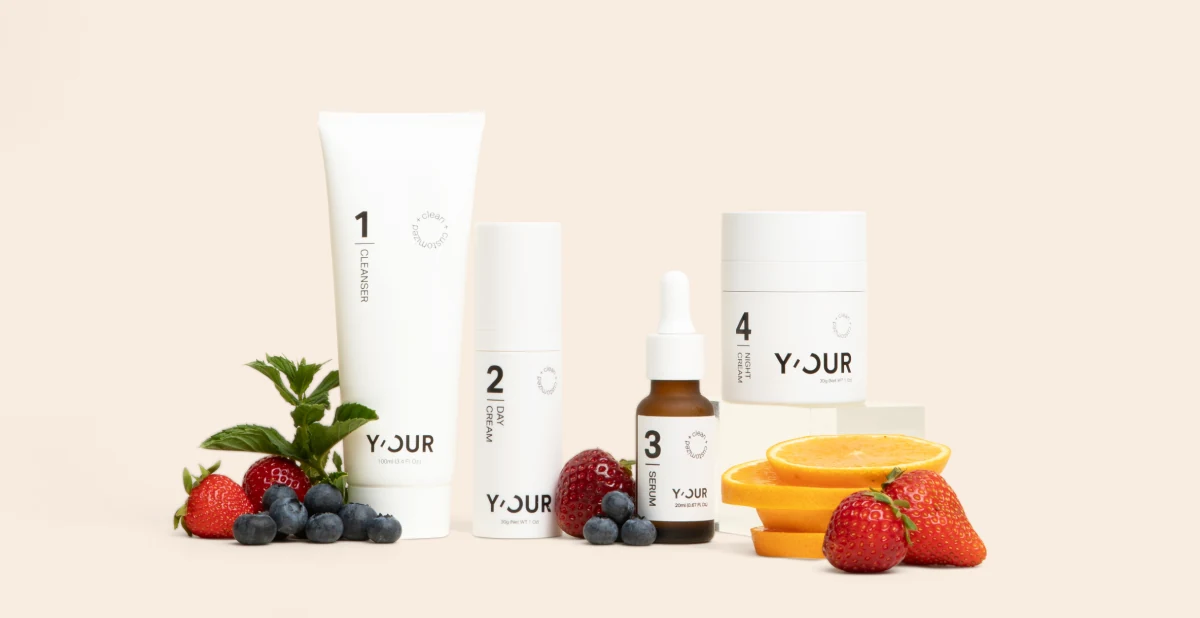
What is tretinoin in skincare?
Tretinoin is all-trans retinoic acid – the biologically active form of vitamin A, and the only one that binds directly to retinoic acid receptors without needing conversion by the skin. It is available on prescription rather than over the counter.
It was the first topical treatment proven to reverse signs of photoageing, and remains the benchmark against which every other anti-ageing active is measured. Common strengths are 0.025%, 0.05% and 0.1%.
What skin concerns does tretinoin treat?
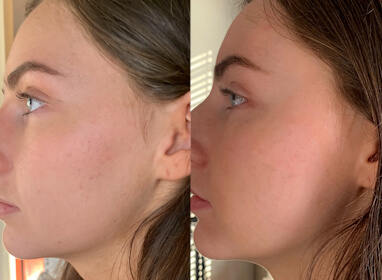
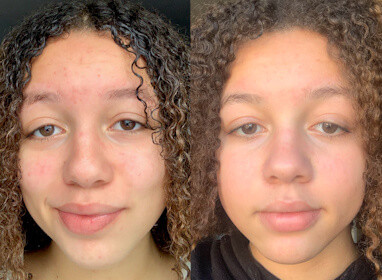
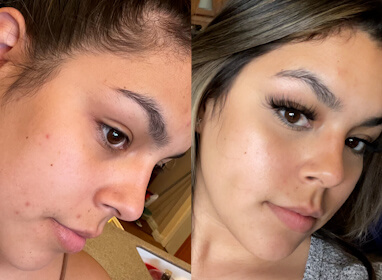
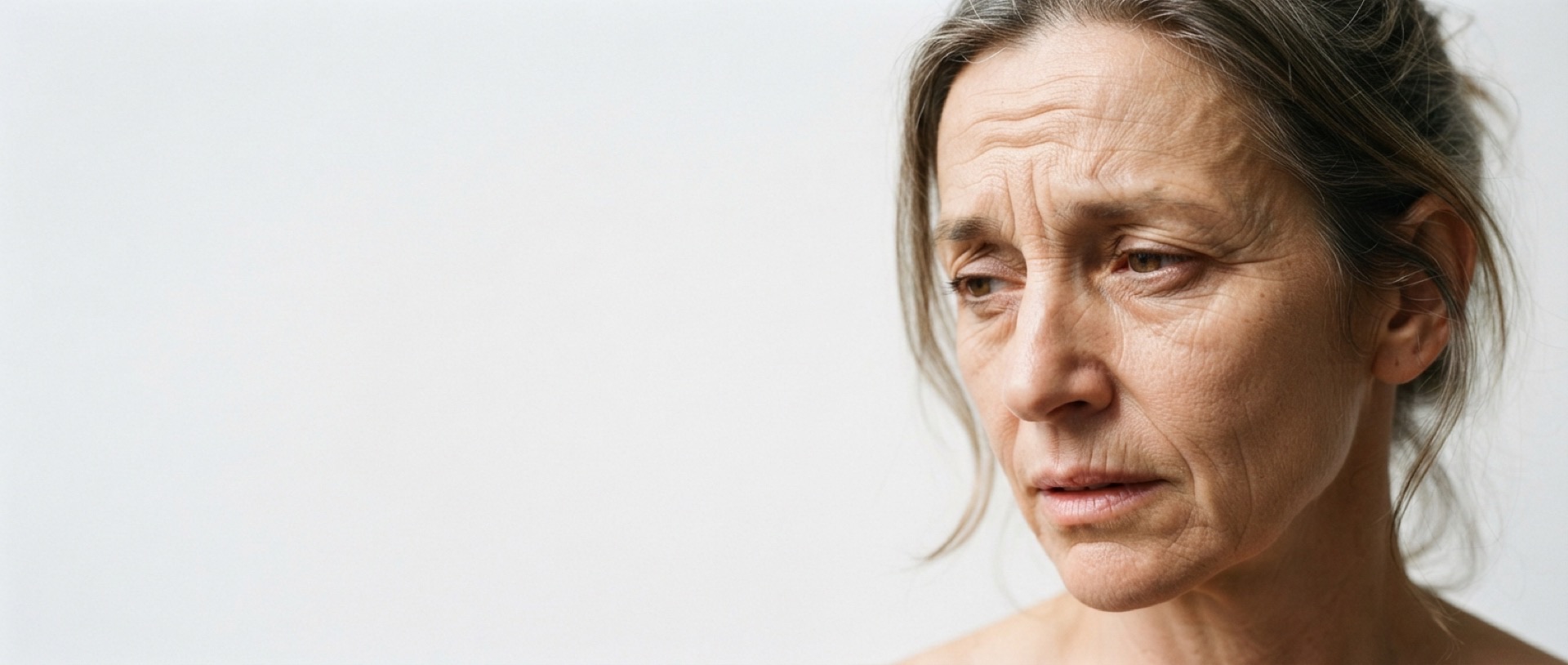
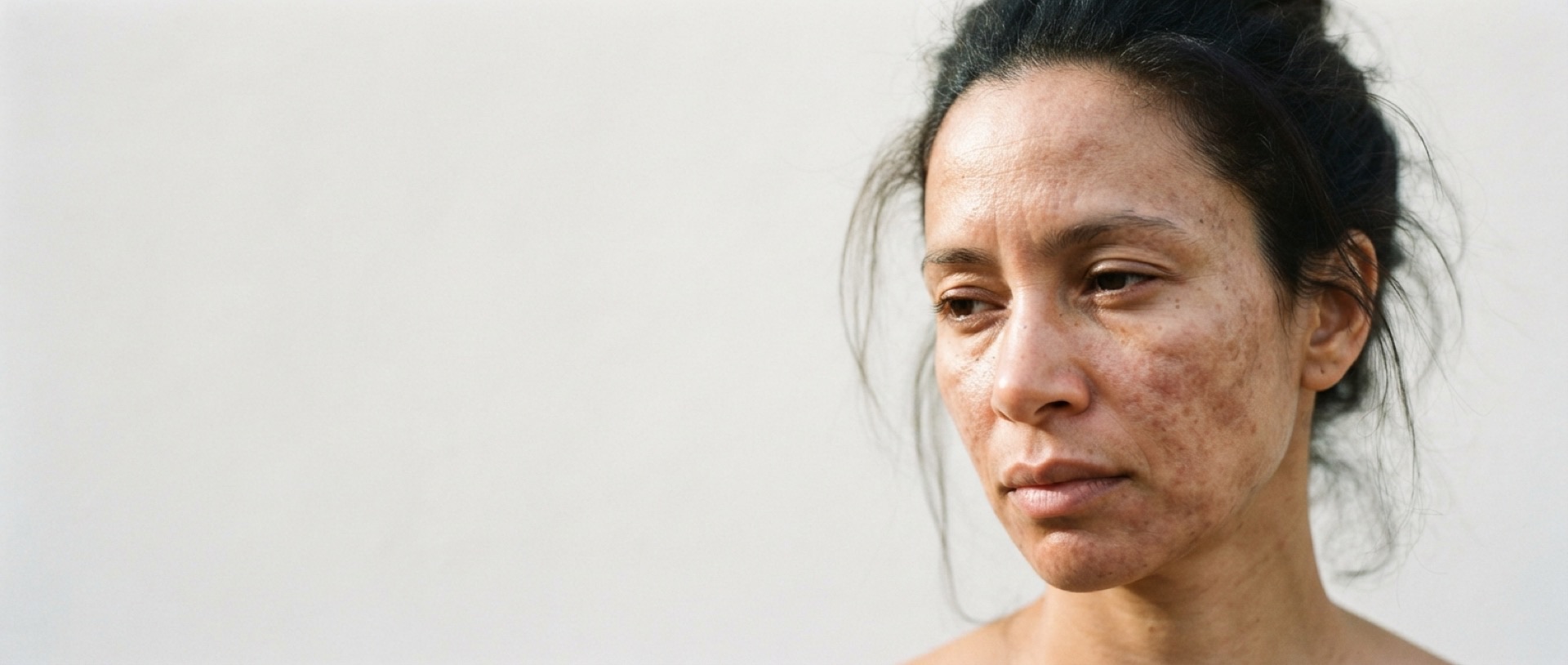
It treats acne at every severity by normalising how follicles shed, and it is extensively documented for photoageing – fine lines, wrinkles, roughness, sallowness and mottled pigmentation.
A vehicle-controlled comparison found 0.025% delivered improvement similar to 0.1% with markedly less irritation, so higher strength is not automatically better.
What ingredients are best paired with tretinoin?
Support the barrier hard: ceramides, hyaluronic acid, niacinamide, panthenol and squalane make the retinisation period far more tolerable. Applying moisturiser before tretinoin (the sandwich method) reduces irritation without eliminating benefit.
Use at night, start two or three times a week, and never skip morning SPF. Do not combine with AHAs, BHAs or benzoyl peroxide in the same application, and do not use it if you are pregnant or trying to conceive. Take our Skin Quiz.
What is acne?
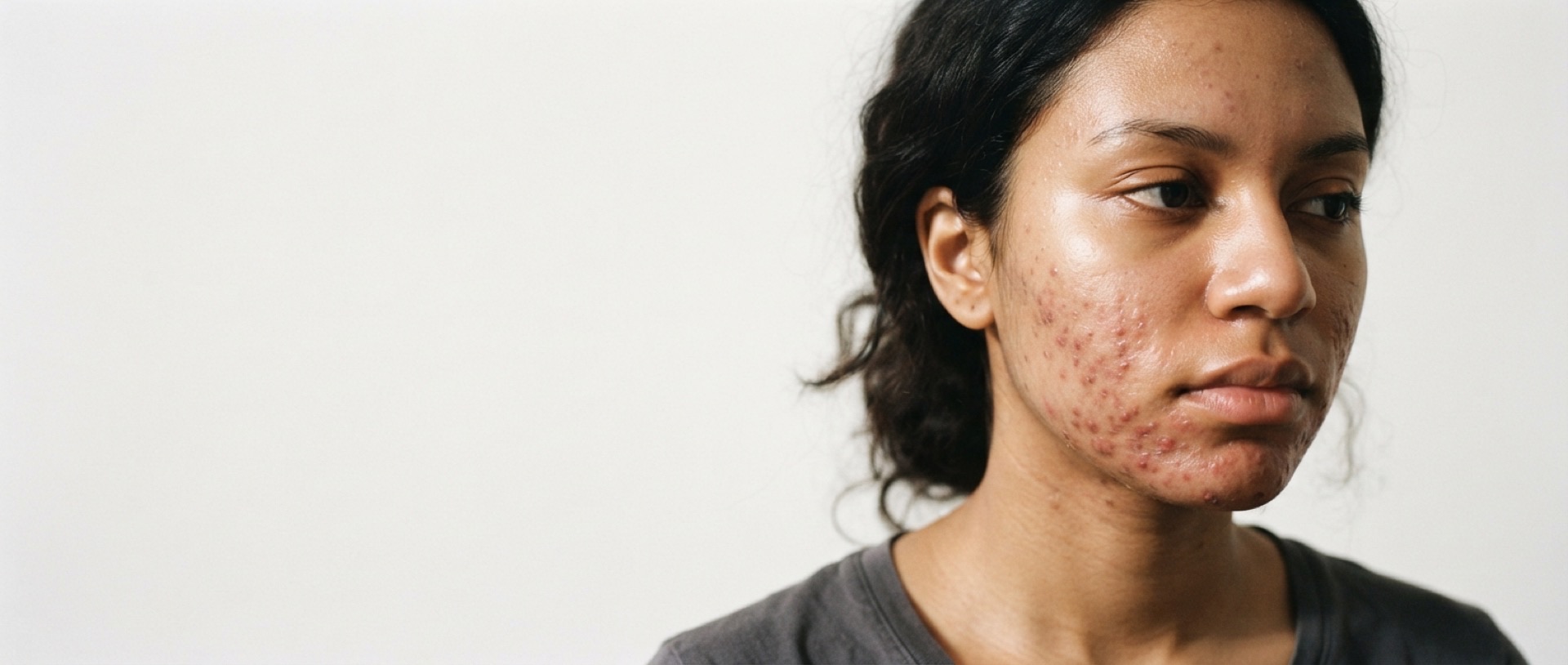
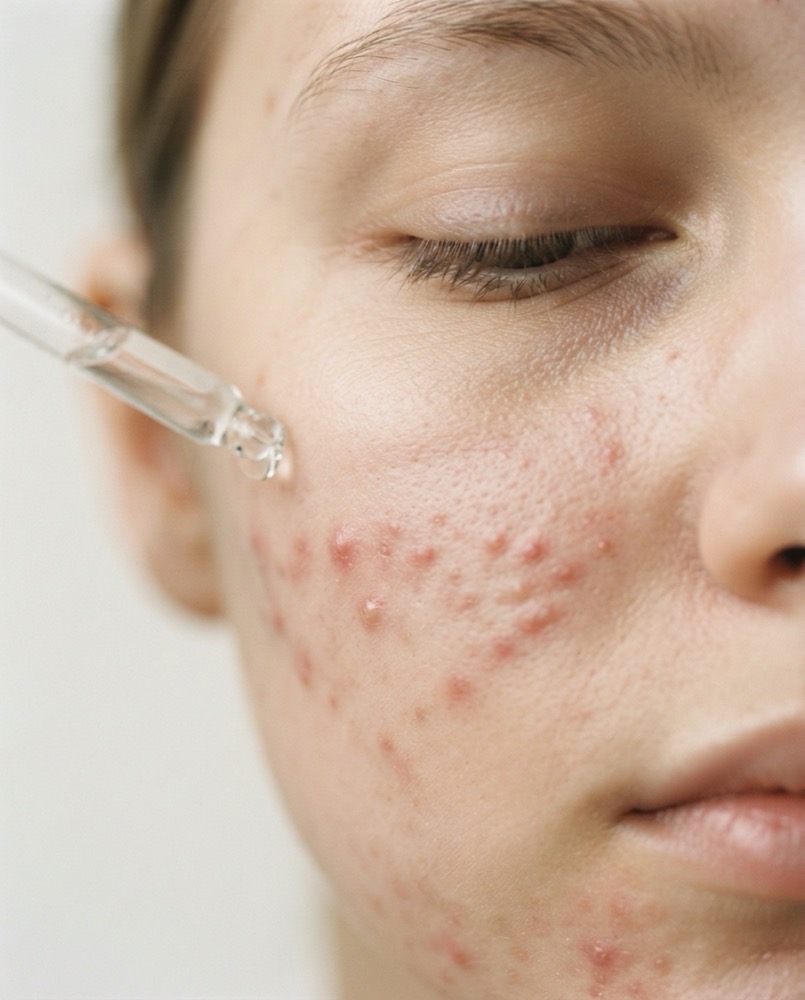
Acne vulgaris is a chronic inflammatory condition of the pilosebaceous unit – the hair follicle and its attached oil gland. It produces blackheads and whiteheads, inflamed papules and pustules, and in severe cases deep nodules and cysts.
It is the most common skin condition worldwide, and it is not a hygiene problem. Acne begins with a microcomedone forming invisibly inside the follicle, weeks before anything shows on the surface.
What causes acne?
Four mechanisms work together: excess sebum driven by androgens, abnormal shedding of cells inside the follicle, overgrowth of Cutibacterium acnes, and the inflammatory response that follows.
Genetics set the baseline. Hormonal fluctuation, stress, high-glycaemic diets, comedogenic products, friction from masks or helmets, and certain medications all push it further. Over-cleansing and picking make it visibly worse.
What ingredients are best for acne?
Salicylic acid clears inside the pore, benzoyl peroxide reduces bacterial load, and retinoids prevent the plug forming in the first place – that last one is the most valuable long-term.
Azelaic acid and niacinamide reduce inflammation and the marks left behind, and sulphur or clay help oily, congested skin. Keep the barrier intact with a gentle cleanser and a light non-comedogenic moisturiser; stripped skin produces more oil. Take our Skin Quiz.