What is tocopheryl acetate in skincare?
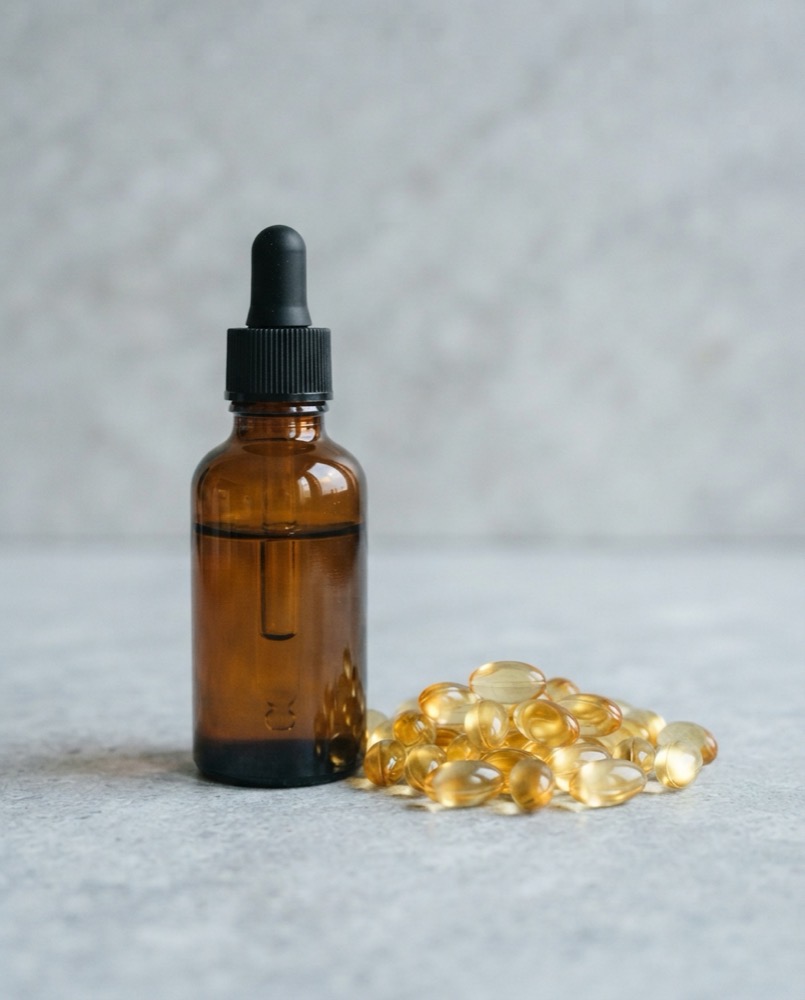
Tocopheryl acetate is vitamin E bound to acetic acid – an ester that is far more stable than free tocopherol and does not oxidise on the shelf. It is the most common form of vitamin E in cosmetic products for exactly that reason.
It is not active as applied. Enzymes in the skin must cleave the acetate group to release alpha-tocopherol, which means the antioxidant effect is slower and somewhat less efficient than the free form.
What skin concerns does tocopheryl acetate treat?
Once converted it does what vitamin E does: scavenges free radicals from UV and pollution, supports the lipid barrier, and softens dry, rough or flaky skin.
Its practical advantage is longevity – a product formulated with tocopheryl acetate keeps working across its full shelf life, where free tocopherol degrades. It is also less likely to cause the contact irritation that neat vitamin E oil sometimes does.
What ingredients are best paired with tocopheryl acetate?
It complements vitamin C and ferulic acid, though serums built for maximum photoprotection generally use free tocopherol because it acts immediately.
For everyday moisturisers it pairs well with ceramides, squalane, glycerin and niacinamide, adding antioxidant support and emollience without instability. Suitable for most skin types, including sensitive. Take our Skin Quiz.
What is rosacea?
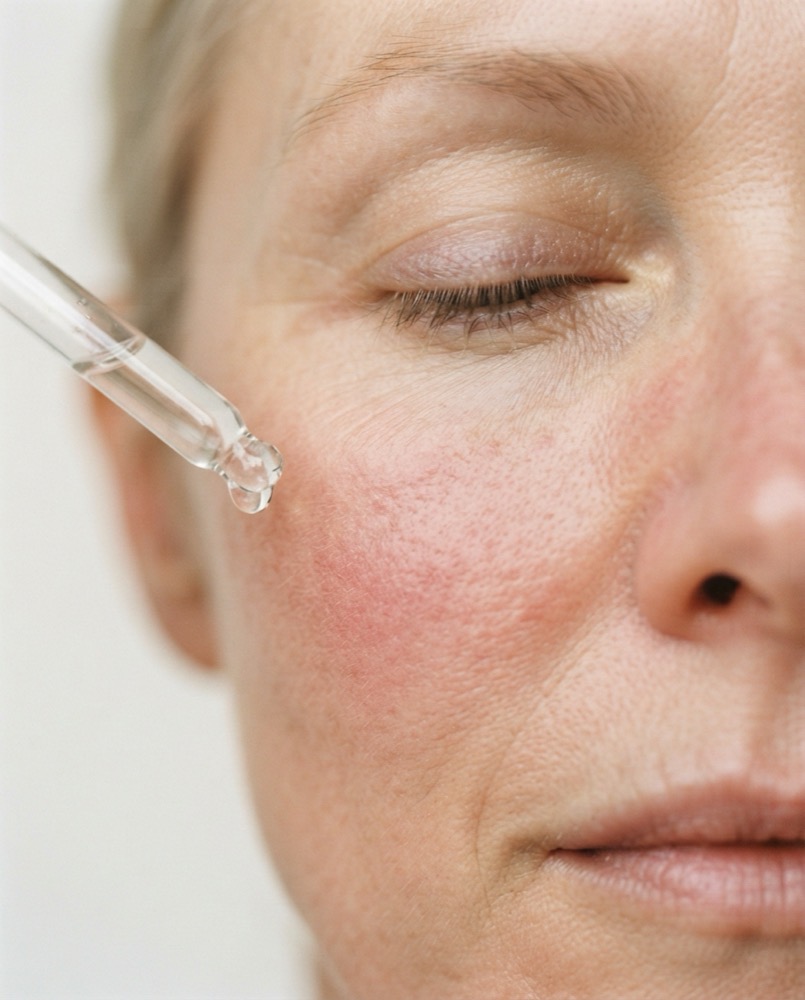
Rosacea is a chronic inflammatory skin condition that affects the central face – cheeks, nose, chin and forehead. It presents as persistent redness, visible broken capillaries, flushing that comes and goes, and in some subtypes acne-like papules and pustules.
Unlike acne, rosacea involves no comedones. It is driven by a combination of vascular hyper-reactivity, neurogenic inflammation and an overactive innate immune response, often with an impaired skin barrier alongside.
What causes rosacea?
There is no single cause. Genetic predisposition, an exaggerated immune response involving cathelicidin, overgrowth of Demodex mites, and dysfunction of the facial blood vessels all appear to contribute.
Flares are triggered by heat, sun exposure, alcohol, spicy food, hot drinks, exercise, stress, wind and cold, and by harsh skincare. Identifying and avoiding your own trigger set does as much as any product.
What ingredients are best for rosacea?
Azelaic acid and niacinamide are the standout actives – both reduce redness and inflammation without provoking the barrier. Sulphur, green tea extract, liquorice root and centella asiatica also calm reactive skin.
Build everything else around barrier repair: ceramides, glycerin, squalane and panthenol, with a gentle non-foaming cleanser and a mineral SPF every day. Avoid alcohol-heavy toners, fragrance, menthol, physical scrubs and high-strength acids. Take our Skin Quiz to build a routine your skin will tolerate.