

What is tocopheryl acetate in skincare?
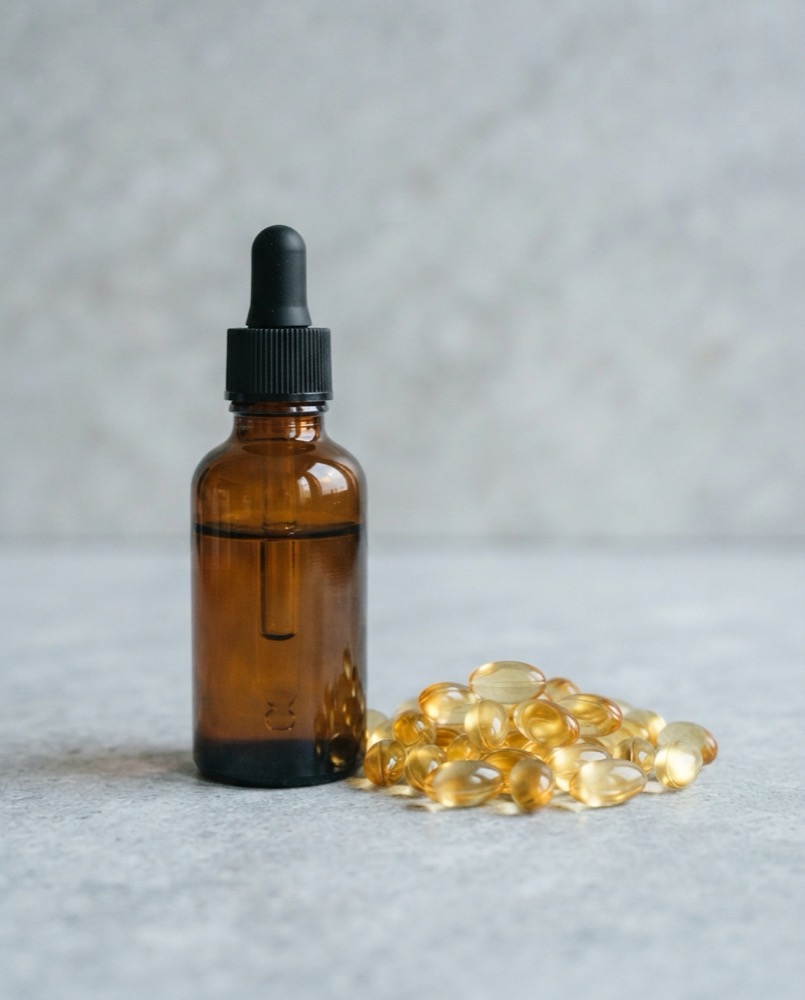
Tocopheryl acetate is vitamin E bound to acetic acid – an ester that is far more stable than free tocopherol and does not oxidise on the shelf. It is the most common form of vitamin E in cosmetic products for exactly that reason.
It is not active as applied. Enzymes in the skin must cleave the acetate group to release alpha-tocopherol, which means the antioxidant effect is slower and somewhat less efficient than the free form.
What skin concerns does tocopheryl acetate treat?
Once converted it does what vitamin E does: scavenges free radicals from UV and pollution, supports the lipid barrier, and softens dry, rough or flaky skin.
Its practical advantage is longevity – a product formulated with tocopheryl acetate keeps working across its full shelf life, where free tocopherol degrades. It is also less likely to cause the contact irritation that neat vitamin E oil sometimes does.
What ingredients are best paired with tocopheryl acetate?
It complements vitamin C and ferulic acid, though serums built for maximum photoprotection generally use free tocopherol because it acts immediately.
For everyday moisturisers it pairs well with ceramides, squalane, glycerin and niacinamide, adding antioxidant support and emollience without instability. Suitable for most skin types, including sensitive. Take our Skin Quiz.
What is dullness?
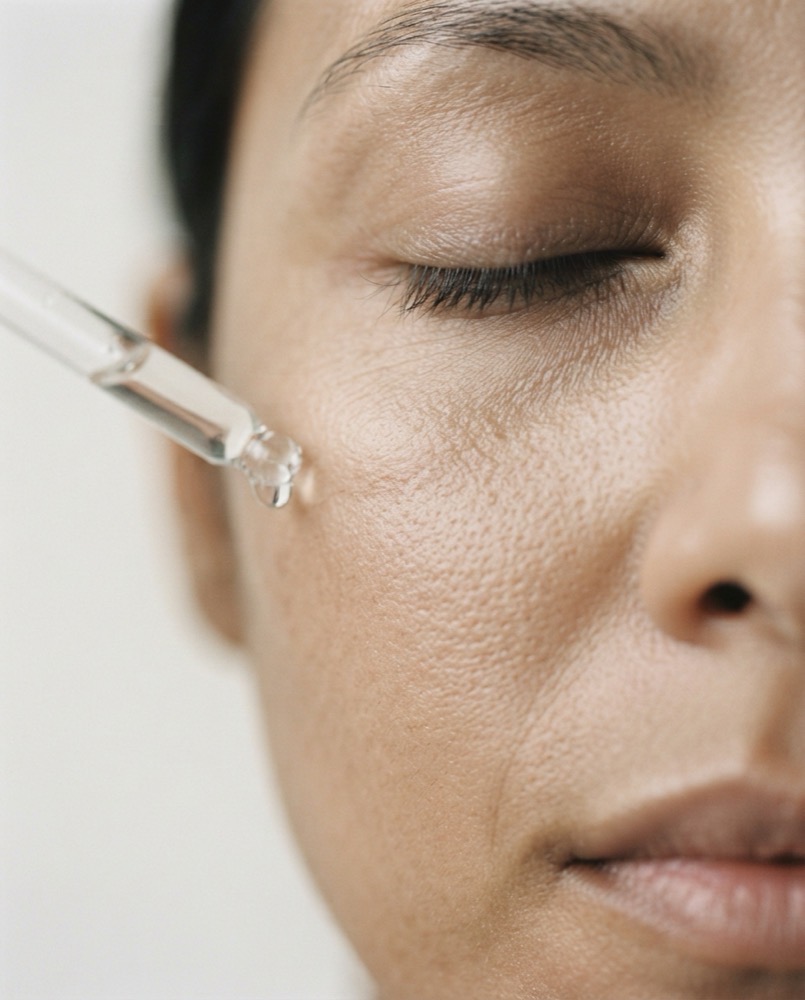
Healthy skin reflects light evenly, which is what reads as bright and glowing. Dull skin does the opposite – it looks flat, ashy, grey or sallow, and makeup tends to sit on top of it rather than blend in.
Dullness is not a condition in itself but a visible symptom: a build-up of dead cells, dehydration and reduced microcirculation that together stop light bouncing cleanly off the skin’s surface.
What causes dull skin?
Dead skin cells that do not shed naturally accumulate on the surface and scatter light unevenly. Dehydration flattens those cells so they no longer sit plump against one another, and overly dry skin can damage the follicles and slow the production of collagen and sebum – all of which make the complexion look duller or ashier.
Lifestyle and environment do the rest. Sun exposure, pollution, smoking, alcohol, broken sleep and stress all accelerate free-radical damage, while cell turnover naturally slows with age, so skin loses the reflectivity it had in your twenties.
What ingredients are best for dullness?
Brightening dull skin comes down to three things: gentle exfoliation, consistent hydration and antioxidant protection. Vitamin C, alpha-hydroxy acids such as glycolic and lactic acid, salicylic acid, retinol and vitamin A, niacinamide, green tea extract, coenzyme Q10 and rosehip oil all help resurface, even out tone and defend against free radicals.
Hyaluronic acid and hydrolysed collagen plump the skin so it reflects more light, and daily broad-spectrum sunscreen prevents the UV damage that dulls the complexion in the first place. Take our Skin Quiz to find the exact combination your skin needs.