

What is tocopherol in skincare?
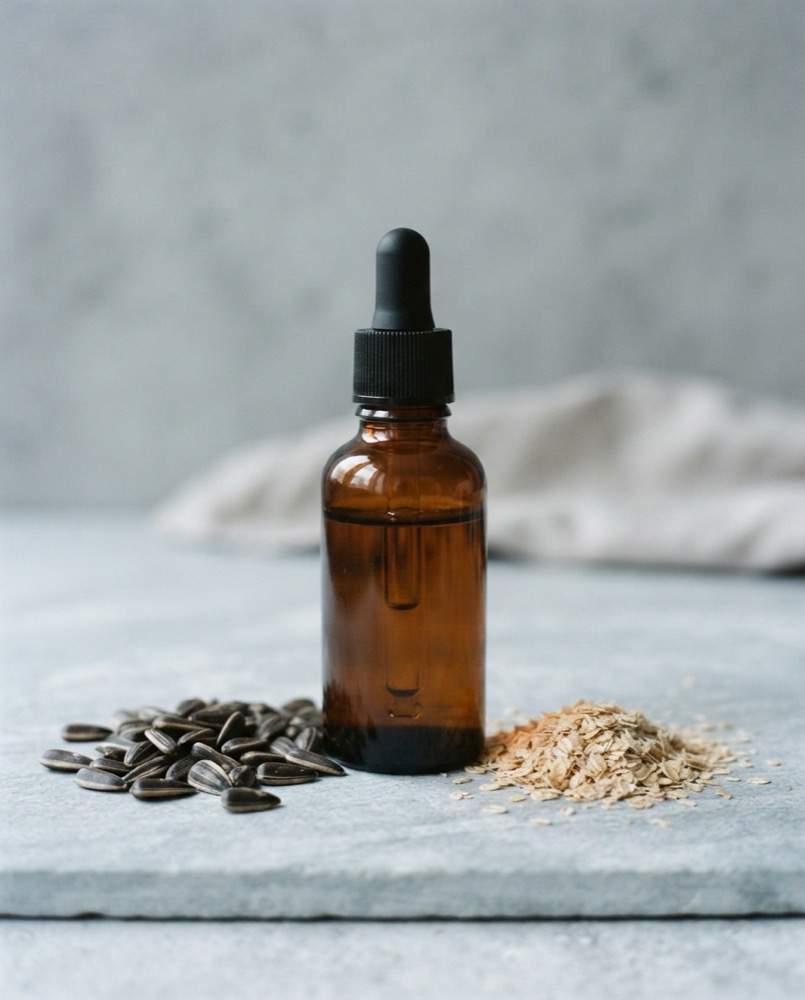
Tocopherol is the INCI name for vitamin E in its natural, unesterified form – most often alpha-tocopherol, the variant the body uses most readily. If you see it on an ingredients list, you are looking at active vitamin E rather than a precursor.
Being fat-soluble, it embeds in the lipid layers of the skin barrier, where it neutralises free radicals and protects cell membranes from oxidation.
What skin concerns does tocopherol treat?
It defends against UV and pollution-driven oxidative stress, conditions dry and rough skin as an emollient, and helps the barrier retain water. In formulations it doubles as a preservative for other oils, slowing rancidity.
It is often included at low percentages precisely for that stabilising role. As a standalone treatment for scars or stretch marks the evidence is thin, and undiluted tocopherol oil can irritate sensitive skin.
What ingredients are best paired with tocopherol?
Pairing it with vitamin C and ferulic acid is the best-documented combination, producing greater photoprotection than any of them alone and keeping the vitamin C stable for longer.
It also sits comfortably with squalane, ceramides, niacinamide and plant oils. Acne-prone skin should look for it in a lightweight serum rather than a rich balm. Take our Skin Quiz.
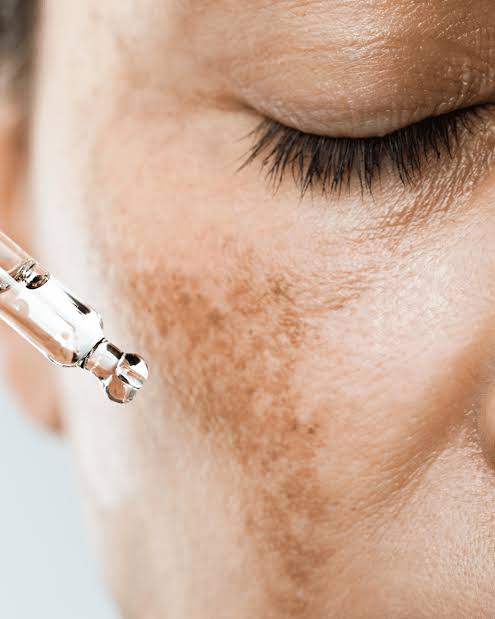
What is melasma?
Melasma is a common form of acquired hyperpigmentation that appears as symmetrical brown or greyish-brown patches, most often across the cheeks, forehead, upper lip and jawline. It develops when melanocytes – the pigment-producing cells in the skin – become overactive and deposit excess melanin into the epidermis, the dermis, or both.
It is far more common in women and in medium to deeper skin tones, and it behaves as a chronic, relapsing condition rather than a one-off mark – which is why management matters as much as treatment.
What causes melasma?
Three triggers dominate: ultraviolet and visible light exposure, hormonal change (pregnancy, oral contraceptives and hormone therapy – hence its nickname, the mask of pregnancy), and genetic predisposition.
Heat, visible light from sunlight and screens, inflammation from harsh products or aggressive procedures, and certain medications all make existing patches worse. Because the triggers are ongoing, melasma typically fades and returns rather than clearing permanently.
What ingredients are best for melasma?
Daily broad-spectrum sunscreen is non-negotiable, and a tinted mineral SPF containing iron oxides is best because it also screens the visible light that drives pigment production.
On top of that, the most evidence-backed actives are tranexamic acid, azelaic acid, niacinamide, vitamin C, alpha arbutin, kojic acid, liquorice root extract, retinoids and gentle alpha-hydroxy acids. Avoid harsh scrubs and strong heat, both of which can rebound the pigment. Take our Skin Quiz to build a routine around your skin tone and triggers.