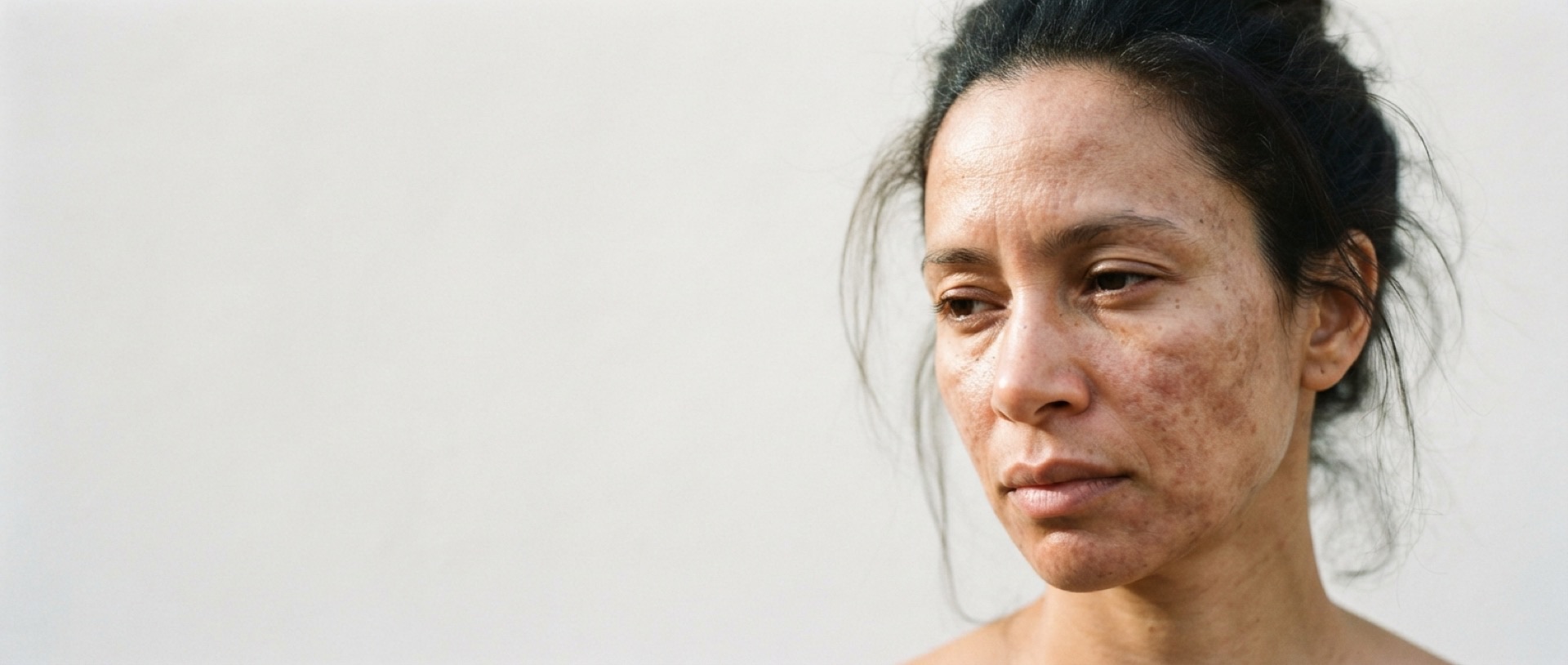
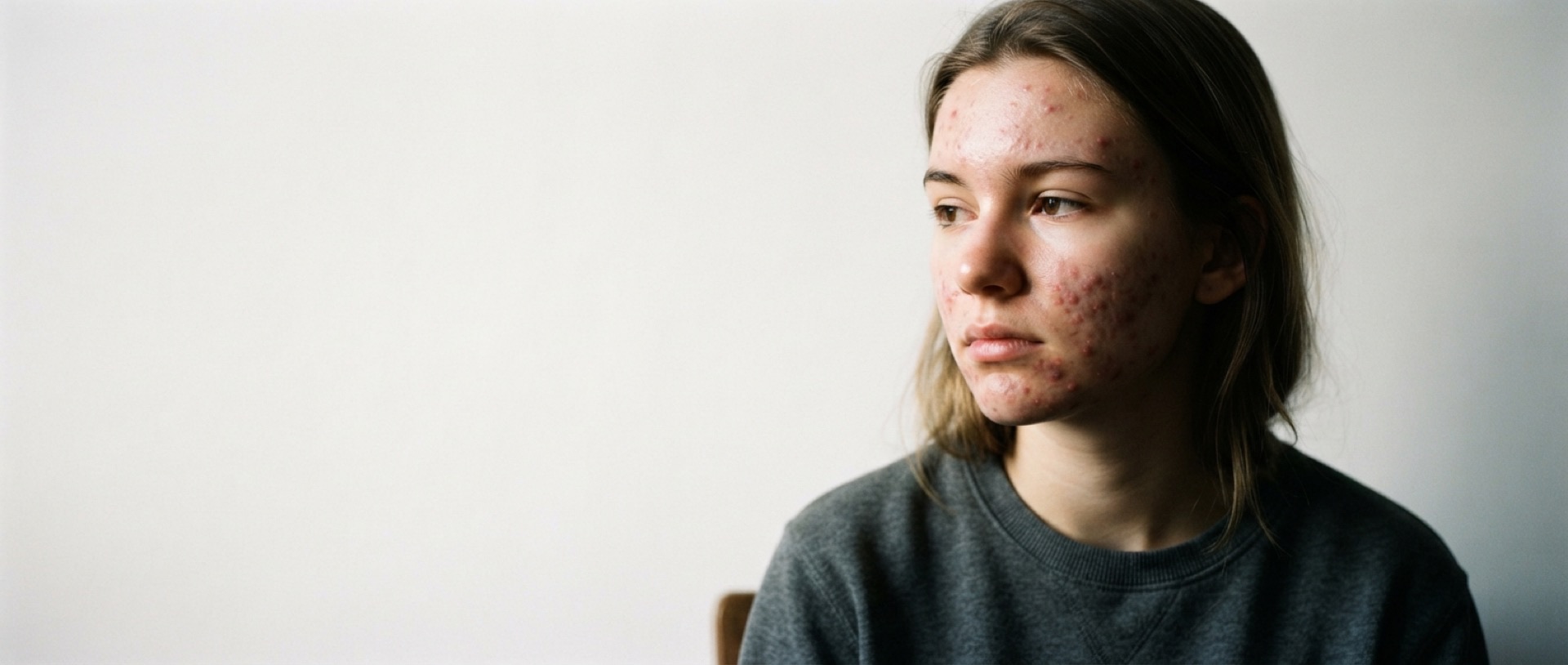
What is tetrahexyldecyl ascorbate in skincare?
Tetrahexyldecyl ascorbate – usually shortened to THD ascorbate or THDA – is an oil-soluble ester of vitamin C. Attaching fatty chains to ascorbic acid makes it lipophilic, so it dissolves in the oil phase of a formula rather than the water phase.
That solves two problems at once. It is far more stable than pure L-ascorbic acid, and being oil-soluble it penetrates the lipid-rich barrier more readily. It also works at skin-friendly pH, so it does not sting the way a low-pH vitamin C serum can.
What skin concerns does tetrahexyldecyl ascorbate treat?
Once converted to ascorbic acid in the skin it does what vitamin C does: neutralises free radicals, inhibits tyrosinase to fade pigment, and supports collagen synthesis for firmness and fine lines.
It is a good fit for dry and sensitive skin that cannot tolerate L-ascorbic acid. One caveat from the stability literature is that THDA degrades quickly under some conditions despite its reputation, so packaging and formulation still matter.
What ingredients are best paired with tetrahexyldecyl ascorbate?
Vitamin E and ferulic acid support it as they do any vitamin C, and because it is oil-soluble it sits naturally alongside squalane, ceramides and facial oils.
It layers comfortably with niacinamide, peptides and retinoids, and it is gentle enough to use morning and night. As with all ascorbic acid derivatives, results depend on conversion in the skin, so give it three months before judging. Take our Skin Quiz.
What is rosacea?
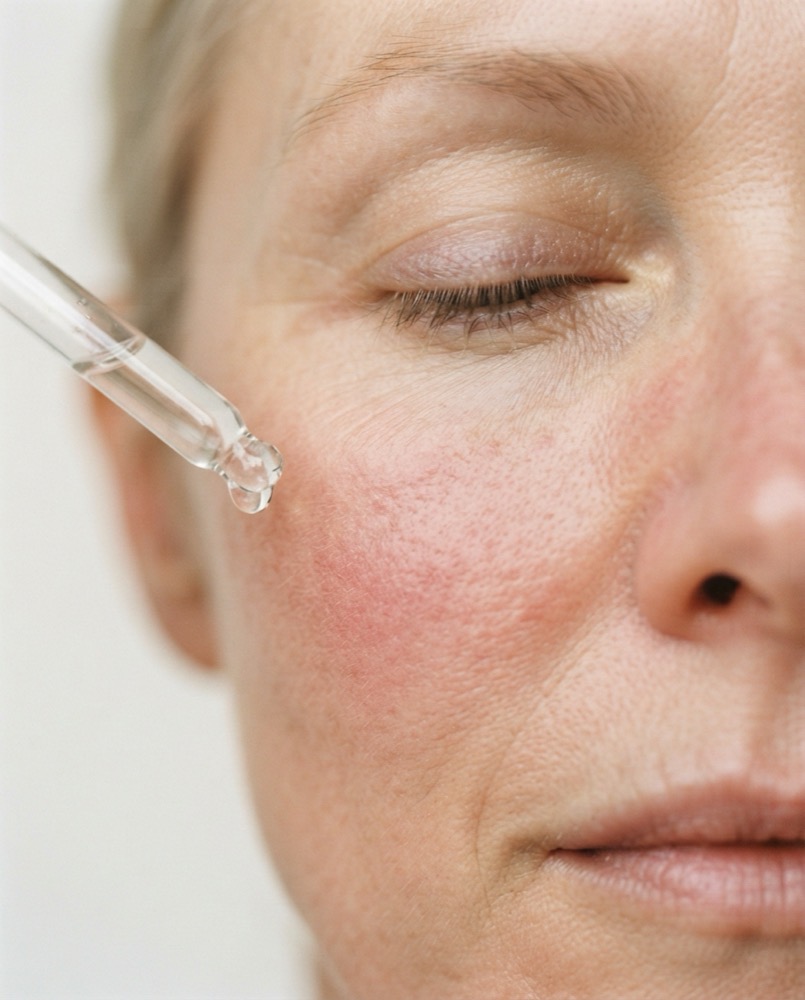
Rosacea is a chronic inflammatory skin condition that affects the central face – cheeks, nose, chin and forehead. It presents as persistent redness, visible broken capillaries, flushing that comes and goes, and in some subtypes acne-like papules and pustules.
Unlike acne, rosacea involves no comedones. It is driven by a combination of vascular hyper-reactivity, neurogenic inflammation and an overactive innate immune response, often with an impaired skin barrier alongside.
What causes rosacea?
There is no single cause. Genetic predisposition, an exaggerated immune response involving cathelicidin, overgrowth of Demodex mites, and dysfunction of the facial blood vessels all appear to contribute.
Flares are triggered by heat, sun exposure, alcohol, spicy food, hot drinks, exercise, stress, wind and cold, and by harsh skincare. Identifying and avoiding your own trigger set does as much as any product.
What ingredients are best for rosacea?
Azelaic acid and niacinamide are the standout actives – both reduce redness and inflammation without provoking the barrier. Sulphur, green tea extract, liquorice root and centella asiatica also calm reactive skin.
Build everything else around barrier repair: ceramides, glycerin, squalane and panthenol, with a gentle non-foaming cleanser and a mineral SPF every day. Avoid alcohol-heavy toners, fragrance, menthol, physical scrubs and high-strength acids. Take our Skin Quiz to build a routine your skin will tolerate.