

What is tea tree oil in skincare?
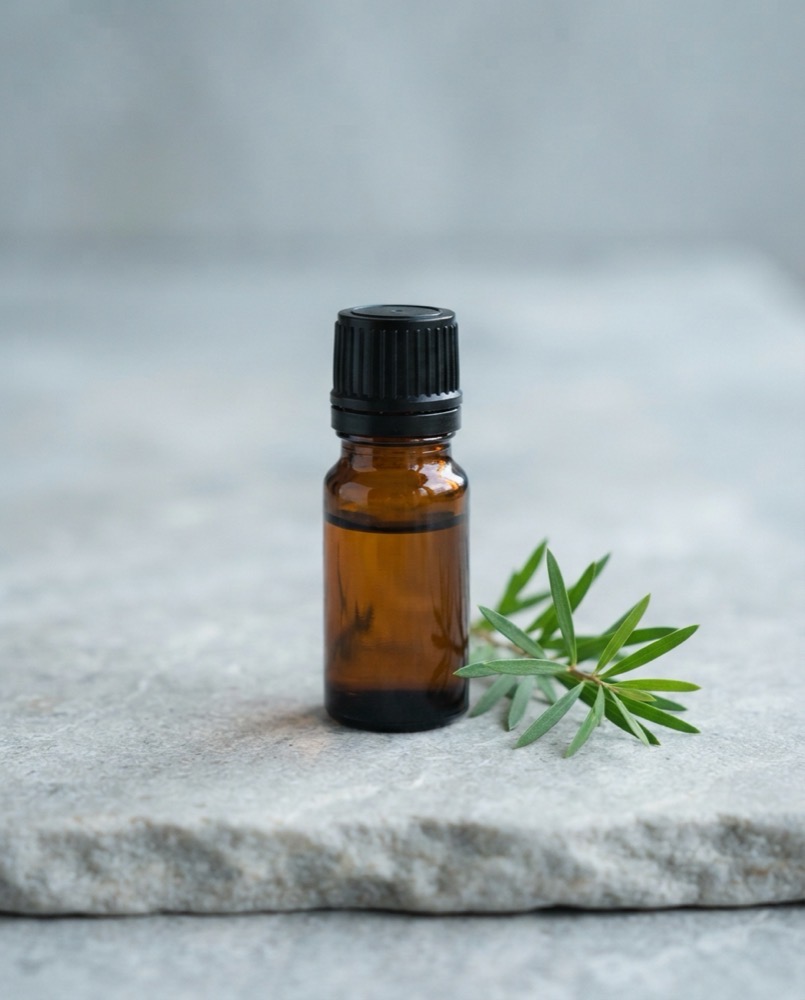
Tea tree oil is an essential oil steam-distilled from the leaves of Melaleuca alternifolia, an Australian shrub used medicinally by Aboriginal communities long before it reached Western pharmacies.
Its active constituent is terpinen-4-ol, which accounts for most of its antimicrobial and anti-inflammatory activity. Quality varies considerably between products, and oil that has oxidised is both less effective and more irritating.
What skin concerns does tea tree oil treat?
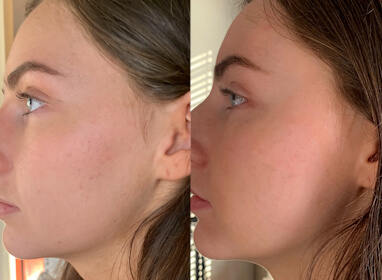
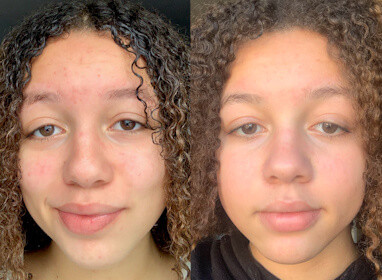
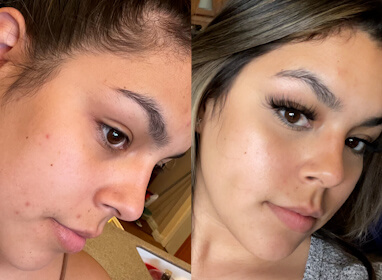
Acne is its best-supported use. A comparative trial against benzoyl peroxide found 5% tea tree oil produced a similar reduction in inflamed lesions, more slowly but with markedly fewer side effects.
It is also used for fungal conditions such as athlete’s foot and nail infections, for dandruff, and for insect bites and minor wounds. Its antibacterial and anti-inflammatory action makes it a reasonable spot treatment.
What ingredients are best paired with tea tree oil?
Never apply it undiluted – dilute to around 5% in a carrier such as jojoba or squalane. Pair it with niacinamide and salicylic acid for acne, and with ceramides to protect the barrier.
It is not suitable for delicate or very sensitive skin, and allergic contact dermatitis is relatively common, so always patch test. Store it in dark glass; oxidised tea tree oil is a well-documented sensitiser. Take our Skin Quiz.
What is acne?
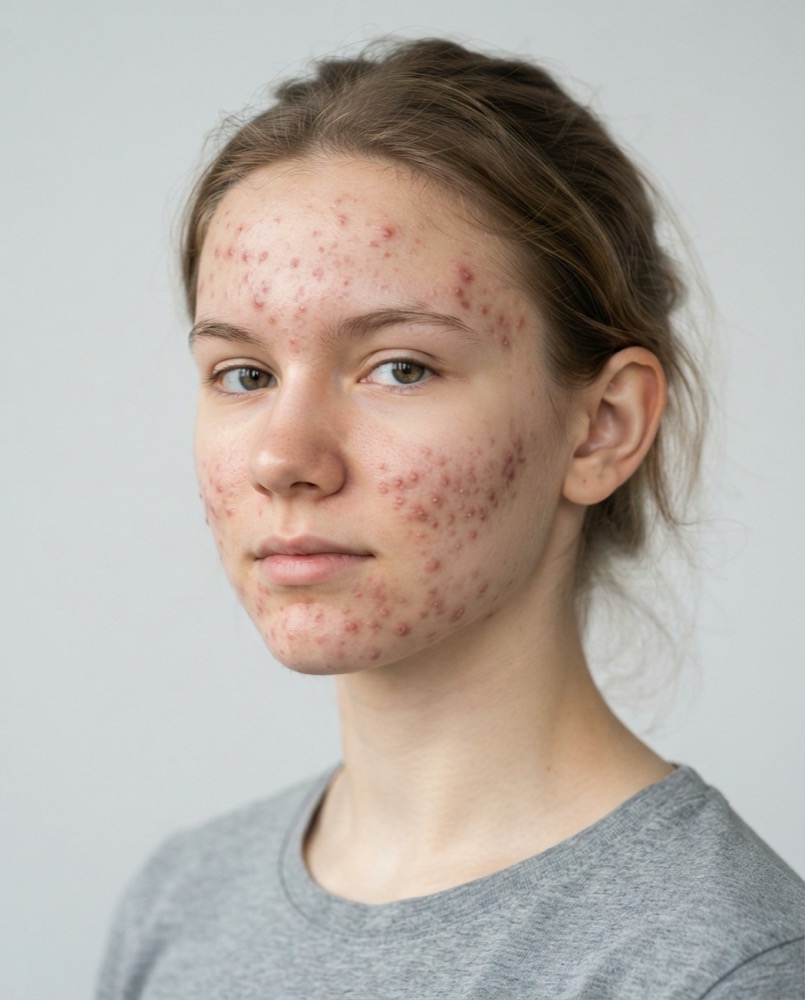
Acne vulgaris is a chronic inflammatory condition of the pilosebaceous unit – the hair follicle and its attached oil gland. It produces blackheads and whiteheads, inflamed papules and pustules, and in severe cases deep nodules and cysts.
It is the most common skin condition worldwide, and it is not a hygiene problem. Acne begins with a microcomedone forming invisibly inside the follicle, weeks before anything shows on the surface.
What causes acne?
Four mechanisms work together: excess sebum driven by androgens, abnormal shedding of cells inside the follicle, overgrowth of Cutibacterium acnes, and the inflammatory response that follows.
Genetics set the baseline. Hormonal fluctuation, stress, high-glycaemic diets, comedogenic products, friction from masks or helmets, and certain medications all push it further. Over-cleansing and picking make it visibly worse.
What ingredients are best for acne?
Salicylic acid clears inside the pore, benzoyl peroxide reduces bacterial load, and retinoids prevent the plug forming in the first place – that last one is the most valuable long-term.
Azelaic acid and niacinamide reduce inflammation and the marks left behind, and sulphur or clay help oily, congested skin. Keep the barrier intact with a gentle cleanser and a light non-comedogenic moisturiser; stripped skin produces more oil. Take our Skin Quiz.