

What is squalane in skincare?
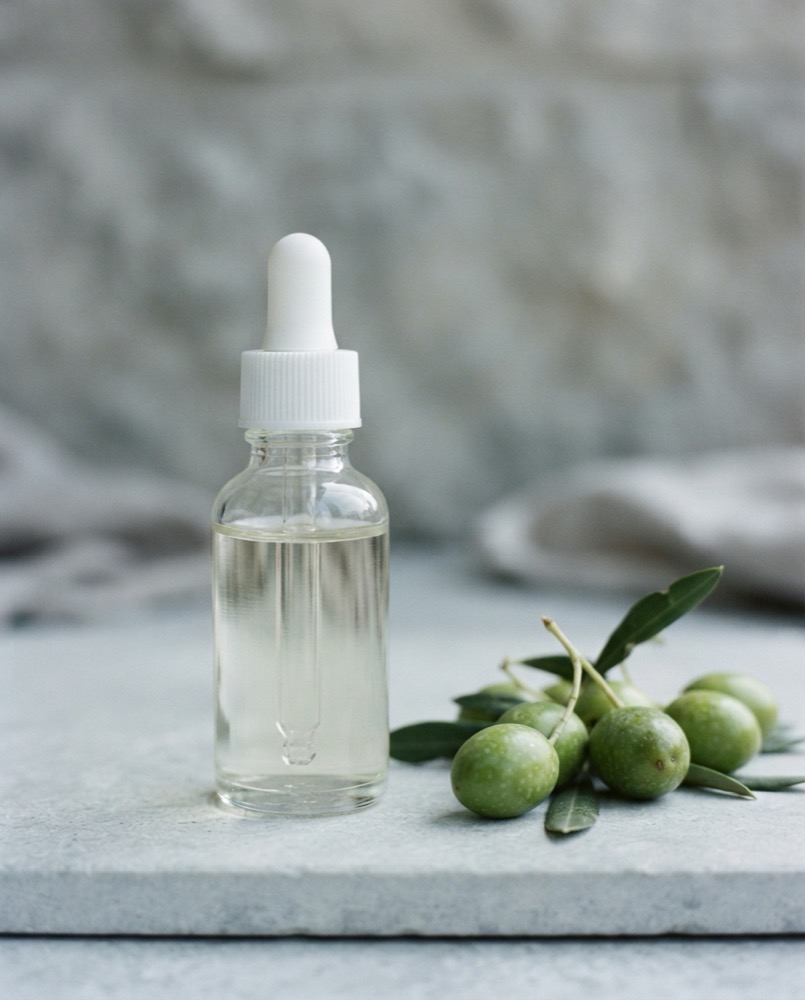
Squalane is the stable, hydrogenated version of squalene – a lipid your own sebaceous glands produce, and one of the components that keeps skin soft and water-resistant. Squalene itself oxidises quickly; squalane does not, which is why formulations use it.
It was historically harvested from shark liver, but cosmetic-grade squalane today is almost always derived from olives or sugarcane fermentation. Squalene levels in skin decline with age, which is part of why mature skin feels drier.
What skin concerns does squalane treat?
It relieves dryness, tightness and rough texture, and supports barrier repair without the heaviness of a butter or the shine of a traditional oil. It is lightweight, absorbs fast and is non-comedogenic, so oily and acne-prone skin can use it comfortably.
Research also points to antioxidant activity and a protective effect on collagen synthesis after UV exposure, giving it a mild role in ageing prevention as well as comfort.
What ingredients are best paired with squalane?
Use it as the sealing step over humectants – hyaluronic acid, glycerin, sodium hyaluronate – and alongside ceramides for full barrier repair.
It is an ideal buffer for strong actives: applied before or after a retinoid or acid, it noticeably reduces stinging and flaking without blocking the active. It suits every skin type and has almost no interaction risk. Take our Skin Quiz.
What is hormonal acne?
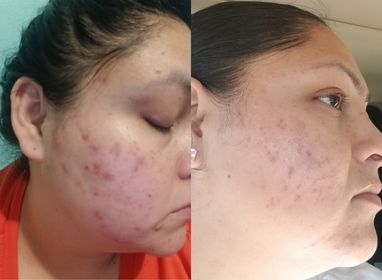
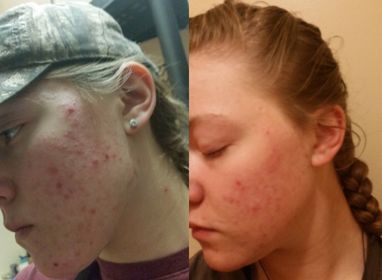
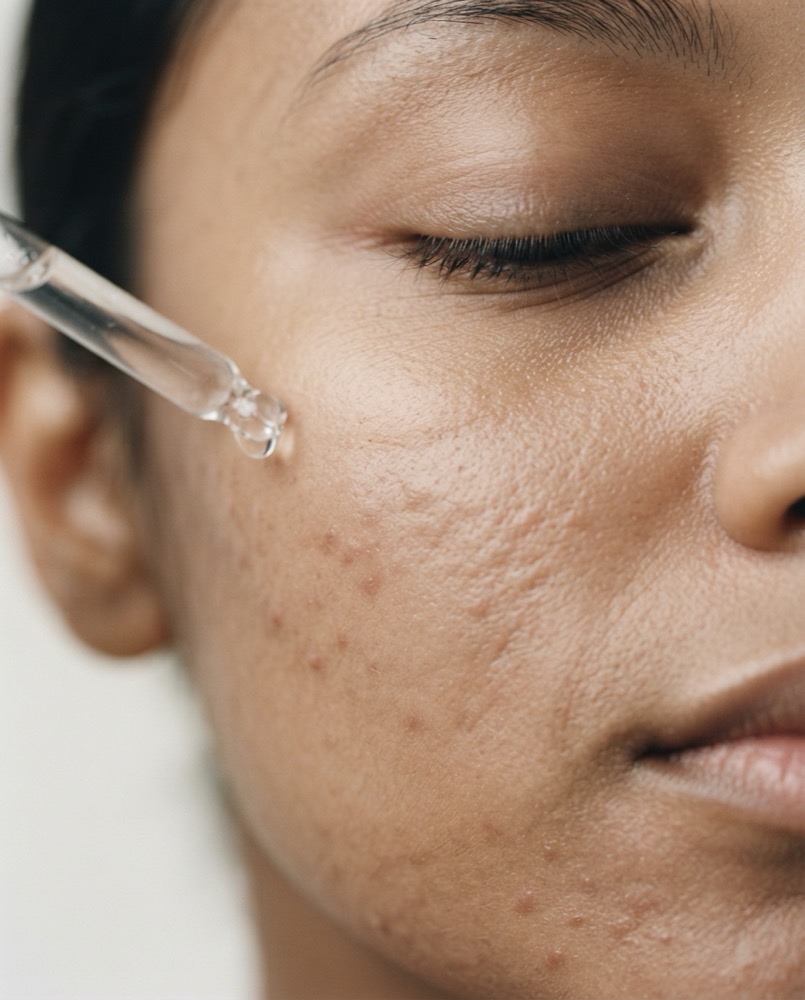
Hormonal acne is acne whose timing and pattern track with hormonal activity rather than with cleansing habits or diet alone. It typically appears along the lower face – jawline, chin and upper neck – as deep, tender papules and cysts that flare on a predictable cycle.
It is most recognisable in adult women, where breakouts often arrive in the week before menstruation and settle again afterwards.
What causes hormonal acne?
Androgens – testosterone and DHT in particular – bind to receptors on the sebaceous gland and increase sebum production. When androgen activity rises or oestrogen falls, oil output climbs and follicles clog more readily.
Menstrual cycles, starting or stopping contraception, pregnancy, perimenopause and PCOS are the usual contexts. Stress raises cortisol, which amplifies the same pathway. Persistent hormonal acne with irregular cycles or excess hair growth is worth investigating medically.
What ingredients are best for hormonal acne?
Retinoids are the most effective topical, because they stop the plug forming regardless of how much oil is being produced. Azelaic acid reduces inflammation and the marks that follow, and niacinamide helps regulate sebum.
Salicylic acid keeps pores clear between flares, and benzoyl peroxide targets bacteria in inflamed lesions. Because hormonal acne is driven from the inside, topicals manage rather than cure it – consistency across the whole cycle beats spot-treating during a flare. Take our Skin Quiz.