

What is sodium hyaluronate in skincare?
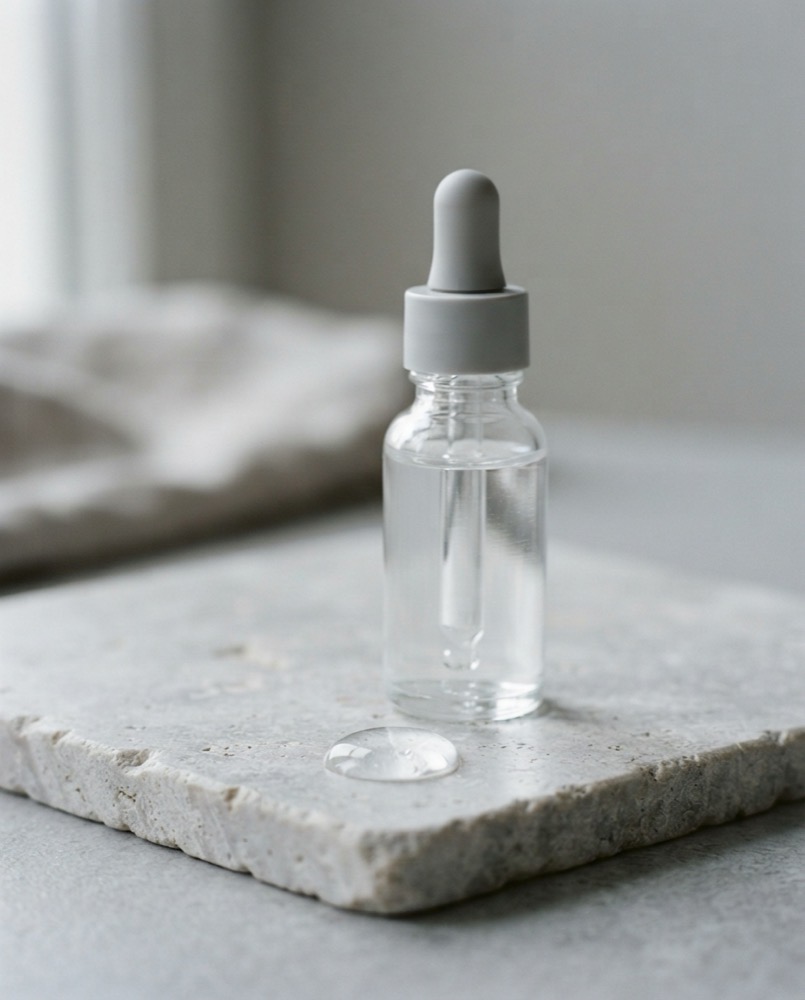
Sodium hyaluronate is the sodium salt of hyaluronic acid – the form most commonly used in cosmetic formulation. It is more stable, less prone to oxidation and has a smaller molecular size than pure hyaluronic acid.
That smaller size is the practical difference: sodium hyaluronate penetrates the upper epidermis rather than sitting entirely on the surface, so it hydrates within the skin as well as on it.
What skin concerns does sodium hyaluronate treat?
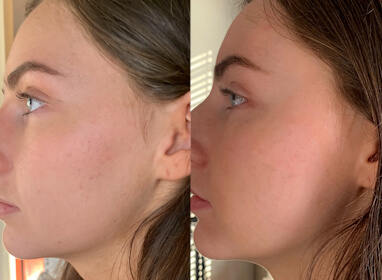
It relieves dehydration, tightness and flakiness in any skin type, and because it is weightless and non-comedogenic it suits oily and acne-prone skin that heavy creams would congest.
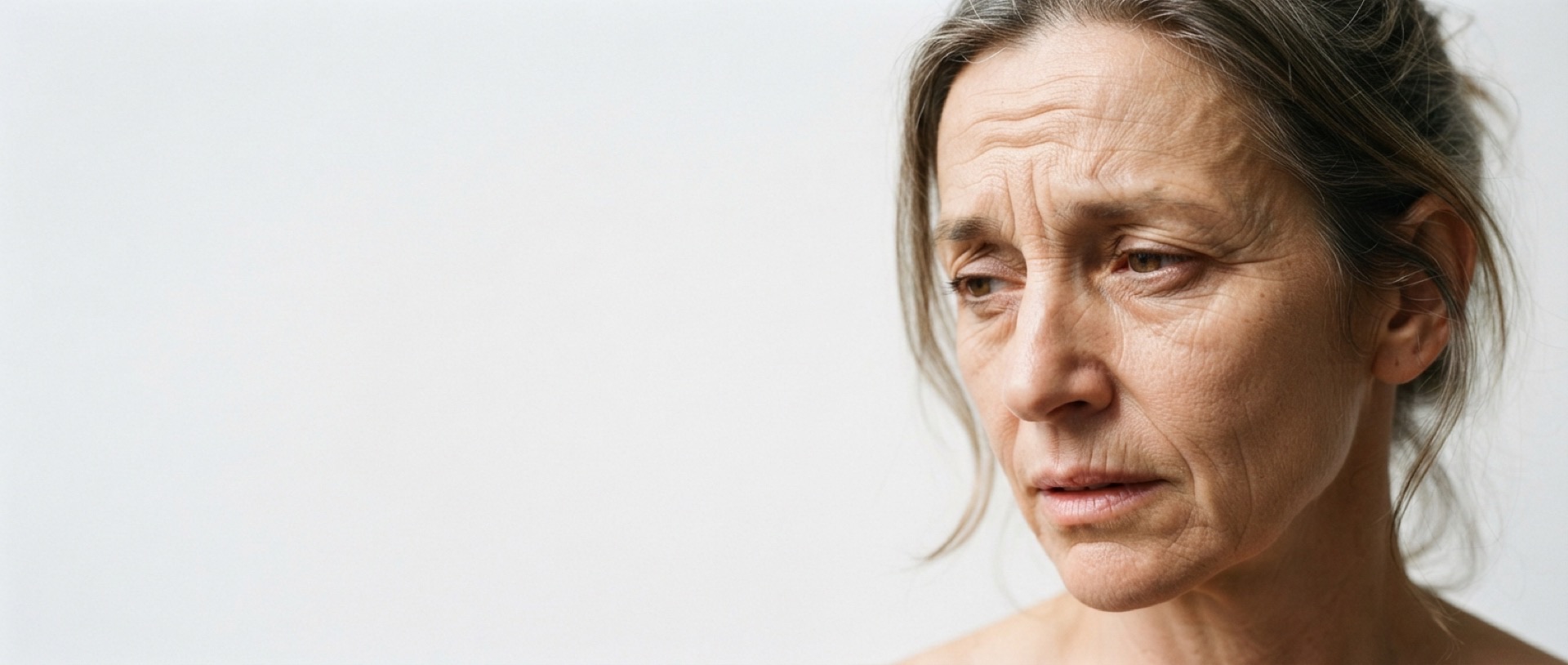
Well-hydrated cells sit plumper, which immediately softens fine lines and improves how light reflects off the face. It also makes retinoids and acids more comfortable to use alongside, by keeping the barrier supple.
What ingredients are best paired with sodium hyaluronate?
It draws water in but cannot hold it, so seal it with ceramides, squalane, shea butter or any decent moisturiser applied immediately after, ideally onto slightly damp skin.
It layers with essentially everything – vitamin C, niacinamide, retinoids, peptides, acids. In very dry air, always cover it with an occlusive so it draws moisture from the air rather than from deeper skin. Take our Skin Quiz.
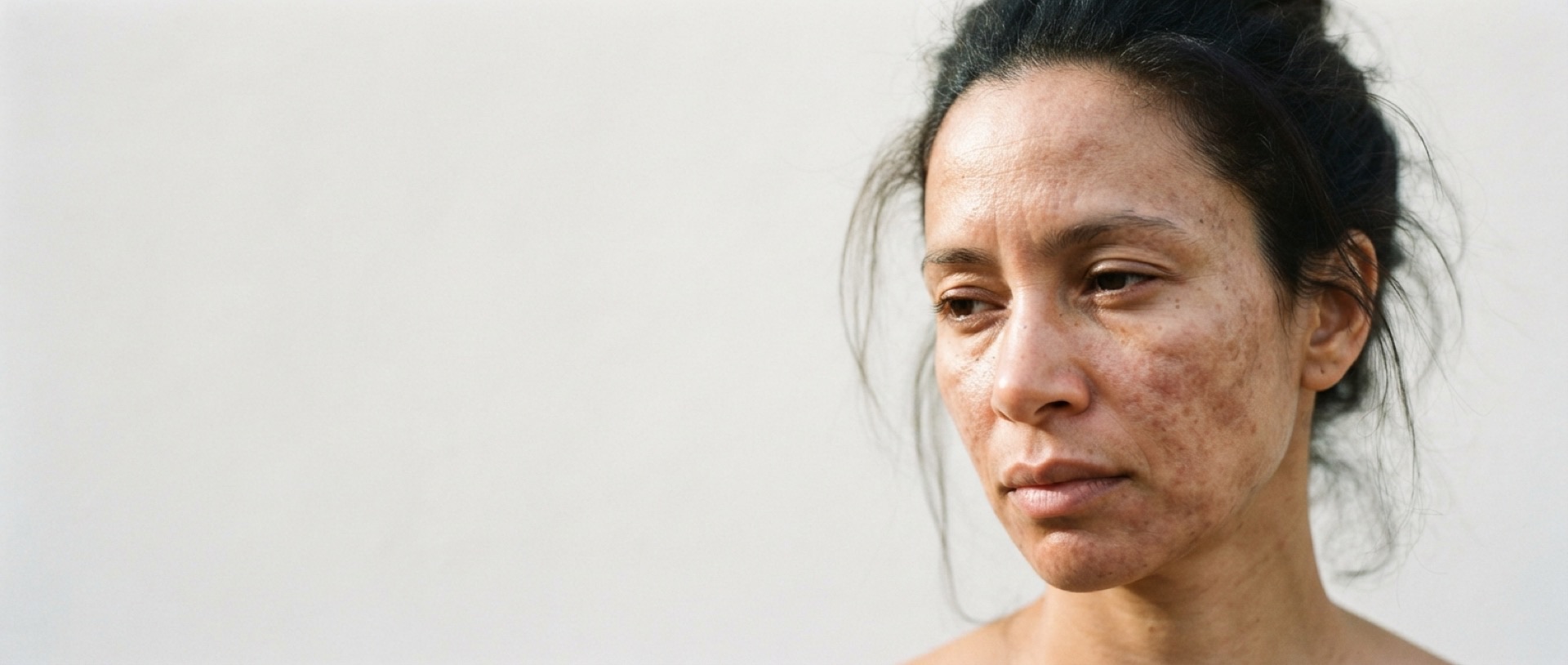
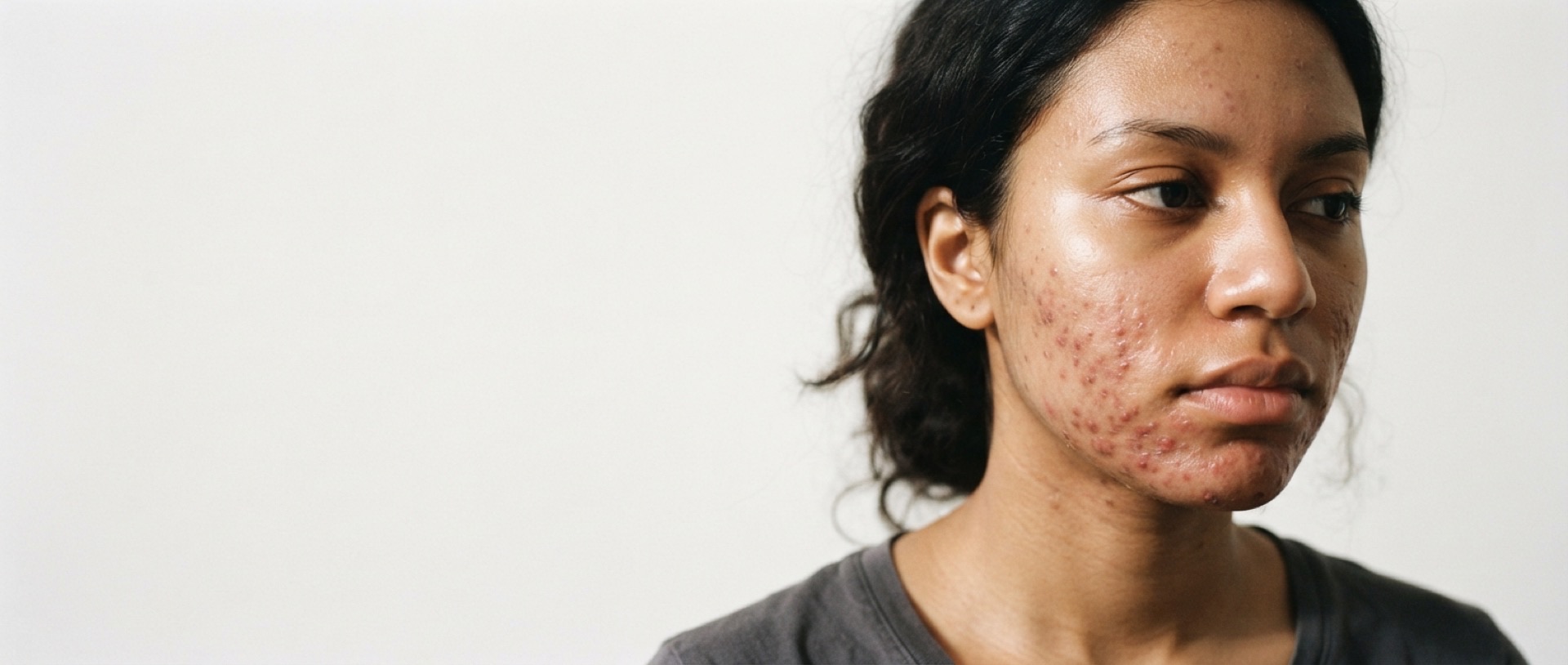
What is acne?
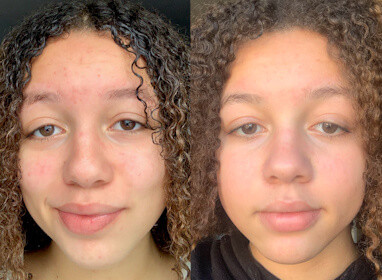
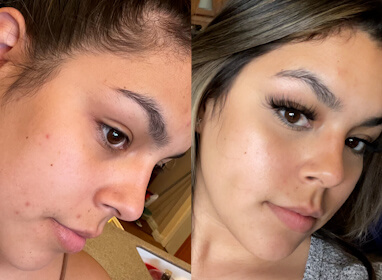
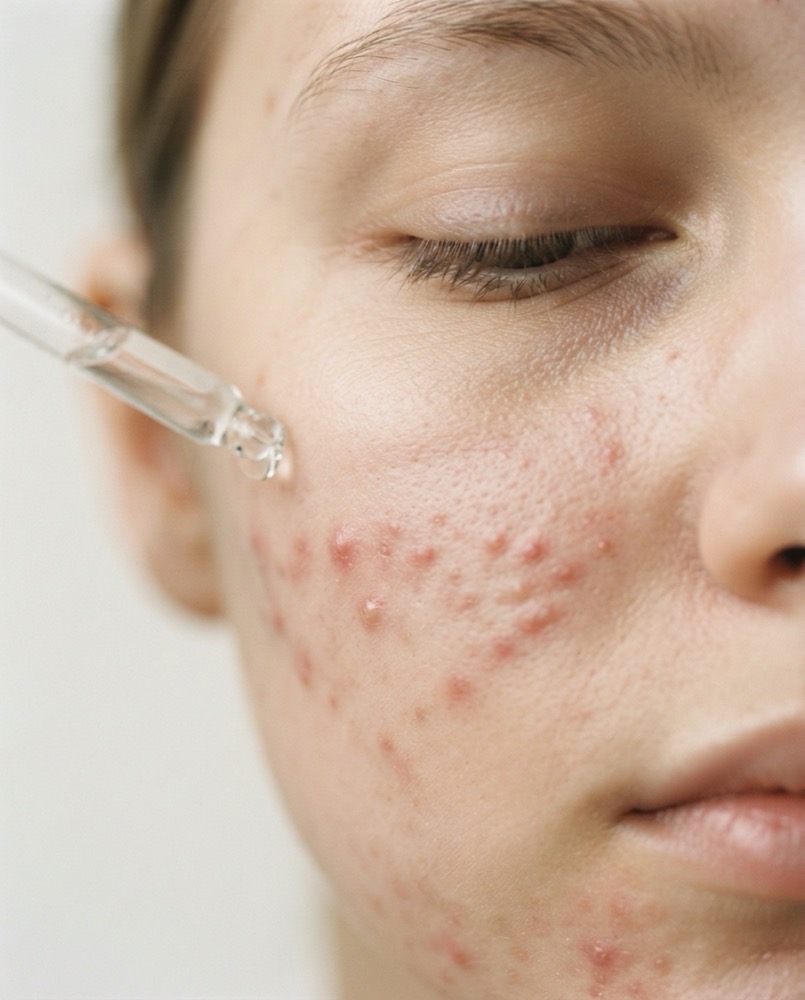
Acne vulgaris is a chronic inflammatory condition of the pilosebaceous unit – the hair follicle and its attached oil gland. It produces blackheads and whiteheads, inflamed papules and pustules, and in severe cases deep nodules and cysts.
It is the most common skin condition worldwide, and it is not a hygiene problem. Acne begins with a microcomedone forming invisibly inside the follicle, weeks before anything shows on the surface.
What causes acne?
Four mechanisms work together: excess sebum driven by androgens, abnormal shedding of cells inside the follicle, overgrowth of Cutibacterium acnes, and the inflammatory response that follows.
Genetics set the baseline. Hormonal fluctuation, stress, high-glycaemic diets, comedogenic products, friction from masks or helmets, and certain medications all push it further. Over-cleansing and picking make it visibly worse.
What ingredients are best for acne?
Salicylic acid clears inside the pore, benzoyl peroxide reduces bacterial load, and retinoids prevent the plug forming in the first place – that last one is the most valuable long-term.
Azelaic acid and niacinamide reduce inflammation and the marks left behind, and sulphur or clay help oily, congested skin. Keep the barrier intact with a gentle cleanser and a light non-comedogenic moisturiser; stripped skin produces more oil. Take our Skin Quiz.