

What is shea butter in skincare?
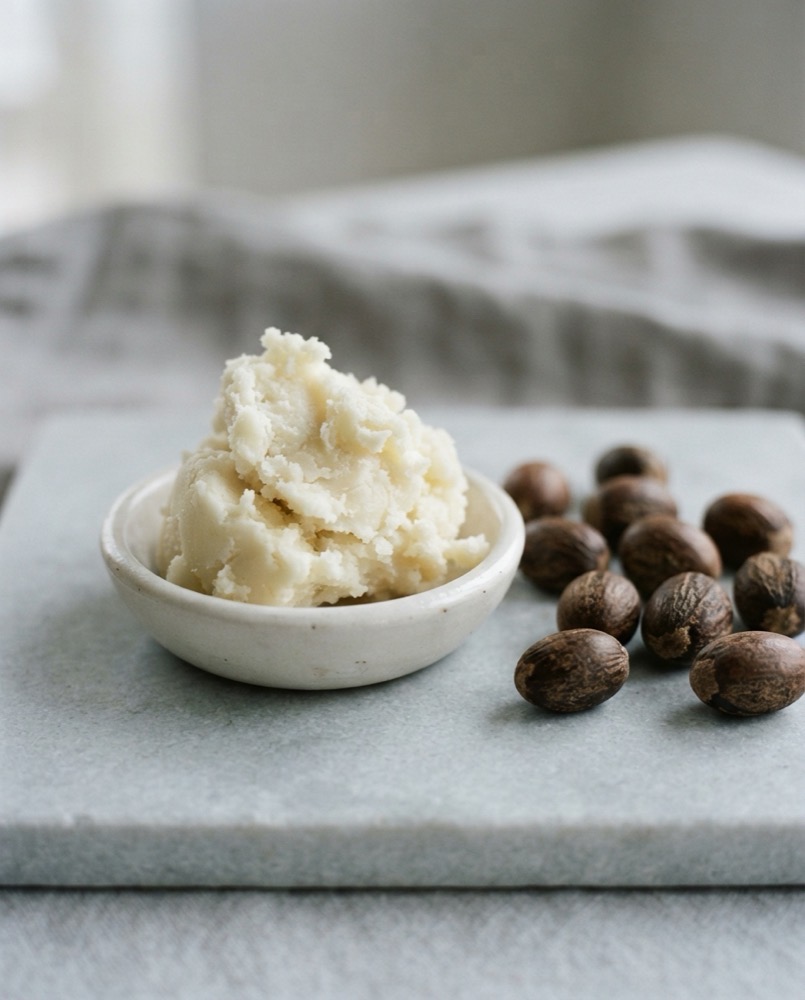
Shea butter is the fat extracted from the nuts of the African shea tree, Vitellaria paradoxa. It is solid at room temperature and melts at body heat, which is why it feels rich going on and sinks in once warmed.
Its value lies in the unsaponifiable fraction – an unusually high 5 to 10% of triterpenes, tocopherols and phytosterols, far more than most plant fats. Those compounds give it anti-inflammatory and barrier-repair activity beyond simple occlusion.
What skin concerns does shea butter treat?
It is a first-line choice for very dry, rough or cracked skin, and for eczema, psoriasis and winter-damaged hands and lips. It reduces water loss substantially while calming inflammation at the same time.
It also soothes after sun exposure, softens scars and stretch marks, and protects skin exposed to cold and wind. Unrefined shea retains more actives but has a nutty smell; refined shea is neutral but less potent.
What ingredients are best paired with shea butter?
Use it as the final occlusive layer over humectants such as glycerin and hyaluronic acid, and alongside ceramides for a complete barrier routine.
It is ideal for buffering the dryness of retinoids and acids on body skin. It sits mid-range on the comedogenic scale, so keep it to the body and dry patches if your face is oily or breakout-prone. Those with tree nut allergies should patch test. Take our Skin Quiz.
What is hormonal acne?
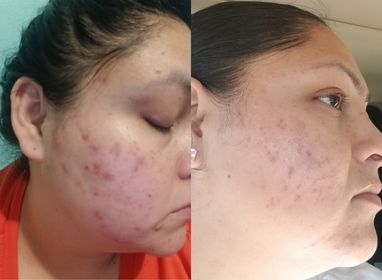
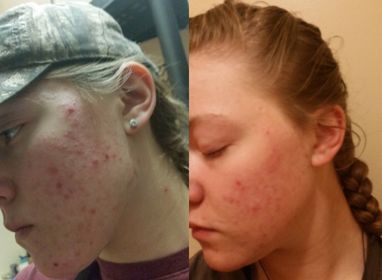
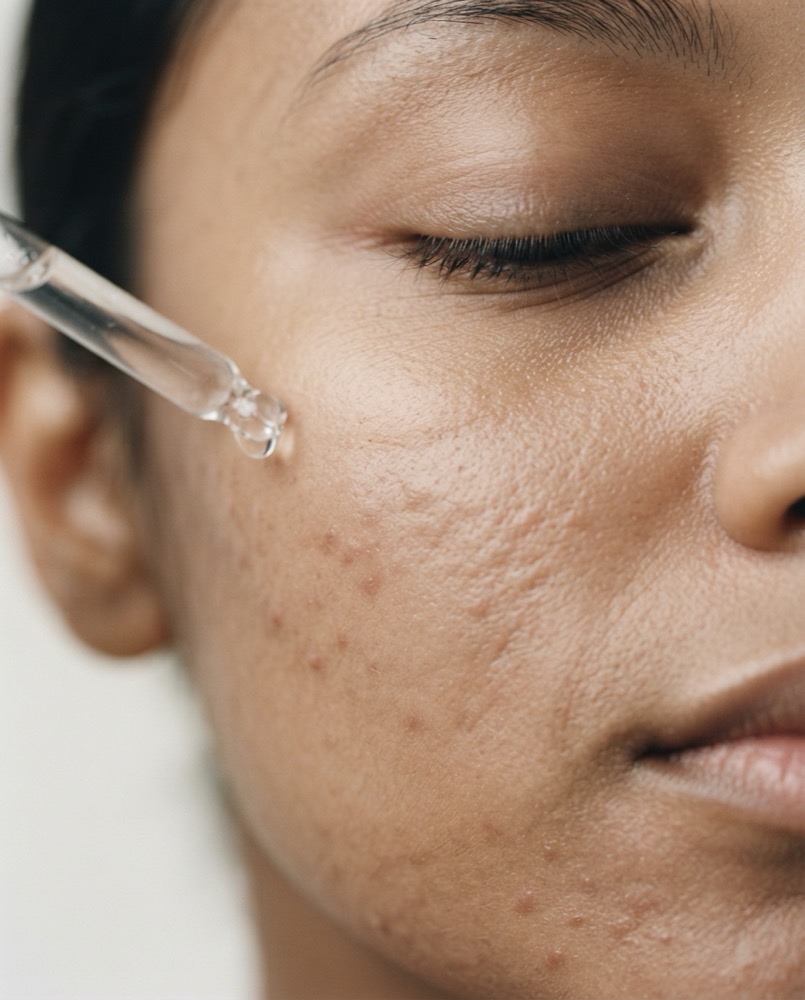
Hormonal acne is acne whose timing and pattern track with hormonal activity rather than with cleansing habits or diet alone. It typically appears along the lower face – jawline, chin and upper neck – as deep, tender papules and cysts that flare on a predictable cycle.
It is most recognisable in adult women, where breakouts often arrive in the week before menstruation and settle again afterwards.
What causes hormonal acne?
Androgens – testosterone and DHT in particular – bind to receptors on the sebaceous gland and increase sebum production. When androgen activity rises or oestrogen falls, oil output climbs and follicles clog more readily.
Menstrual cycles, starting or stopping contraception, pregnancy, perimenopause and PCOS are the usual contexts. Stress raises cortisol, which amplifies the same pathway. Persistent hormonal acne with irregular cycles or excess hair growth is worth investigating medically.
What ingredients are best for hormonal acne?
Retinoids are the most effective topical, because they stop the plug forming regardless of how much oil is being produced. Azelaic acid reduces inflammation and the marks that follow, and niacinamide helps regulate sebum.
Salicylic acid keeps pores clear between flares, and benzoyl peroxide targets bacteria in inflamed lesions. Because hormonal acne is driven from the inside, topicals manage rather than cure it – consistency across the whole cycle beats spot-treating during a flare. Take our Skin Quiz.