What is resveratrol in skincare?
Resveratrol is a polyphenol produced by plants under stress – grapes, berries, peanuts and Japanese knotweed are the main sources. Red wine is where most people first hear of it, though the amounts there are trivial.
In skincare it functions as a potent antioxidant and an activator of sirtuins, proteins involved in cellular repair and longevity. It is well characterised for antioxidant, anti-inflammatory and antimicrobial activity on skin.
What skin concerns does resveratrol treat?
It targets the visible results of oxidative stress: dullness, uneven tone, fine lines and loss of firmness. Its anti-inflammatory action also helps redness and reactive skin.
It has documented skin-lightening activity through tyrosinase inhibition, making it a gentler option for pigmentation than many actives, and a small trial found it reduced facial redness when combined with green tea and caffeine.
What ingredients are best paired with resveratrol?
It is typically used at night, where it complements the repair work skin does while you sleep, and it pairs particularly well with vitamin E, ferulic acid, niacinamide and green tea.
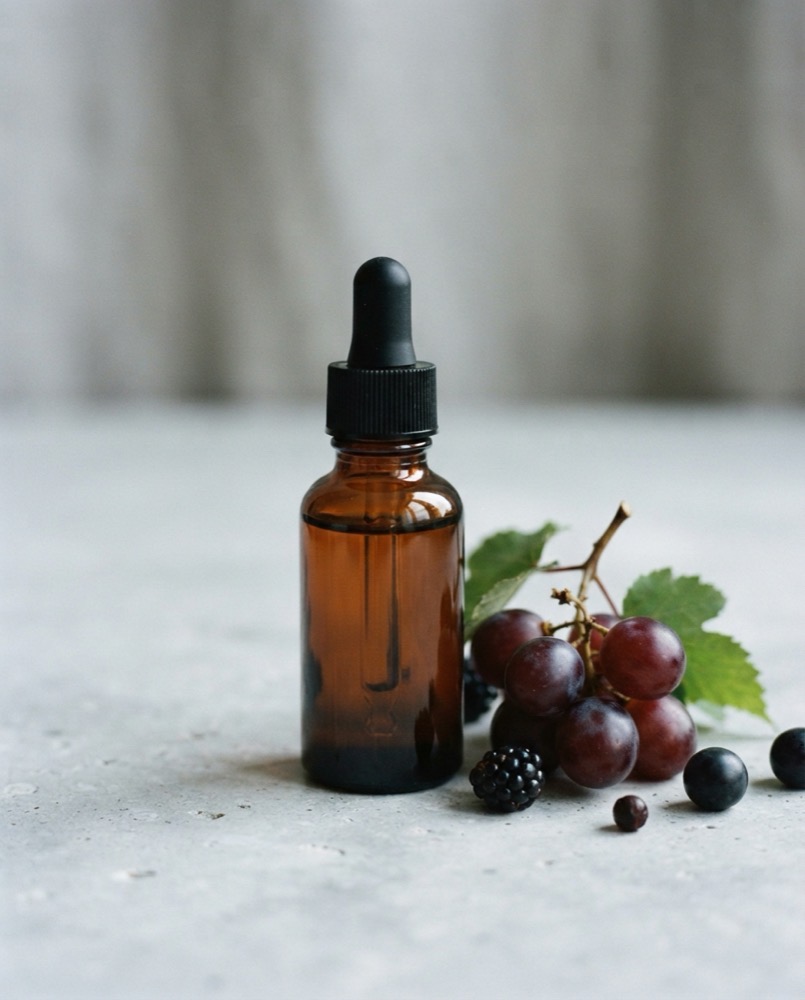
It also combines safely with retinoids and peptides. Because it is unstable in light, look for opaque, air-tight packaging – a resveratrol serum in a clear dropper bottle is not doing much. Take our Skin Quiz.
What is adult acne?
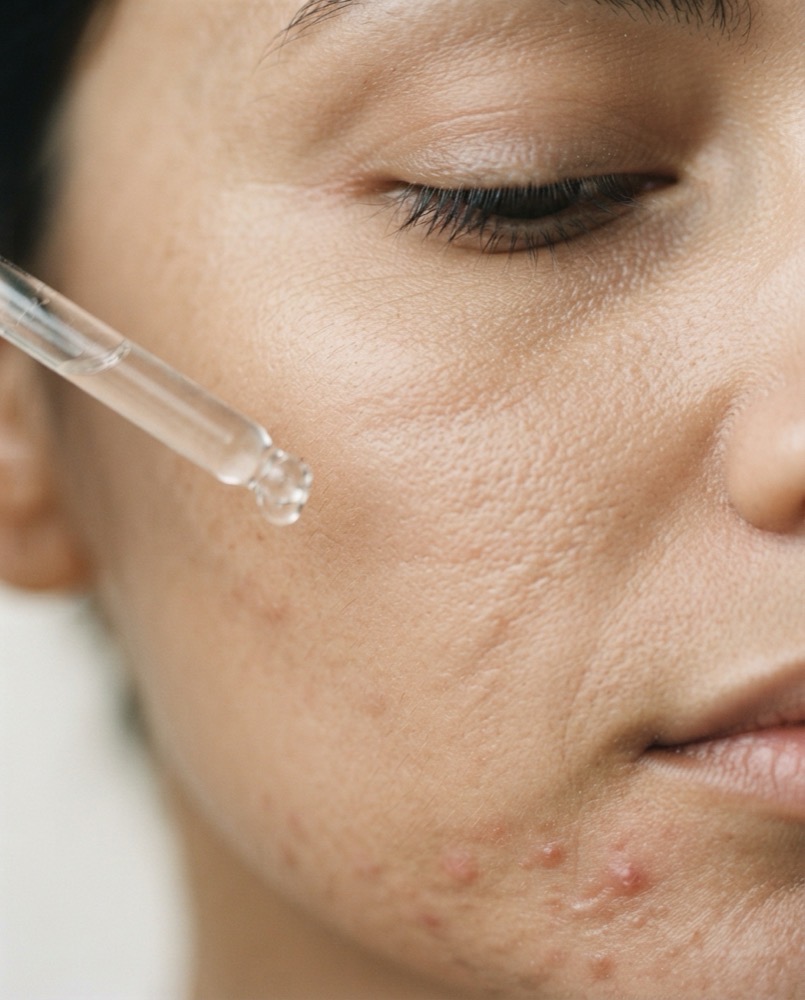
Adult acne is acne that persists past the teenage years or appears for the first time in your twenties, thirties or later. It affects a substantial share of adults, and disproportionately women.
It tends to look different from teenage acne: fewer widespread blackheads, more deep tender lesions along the jawline, chin and neck, often on skin that is simultaneously dry, sensitive or already showing early signs of ageing.
What causes adult acne?
Hormonal fluctuation is the leading driver – menstrual cycles, coming off or starting contraception, pregnancy, perimenopause and conditions such as PCOS all shift androgen activity and sebum output.
Stress and cortisol, sleep debt, high-glycaemic diets, comedogenic makeup and skincare, friction, and certain medications compound it. Adult skin also heals more slowly, so marks linger longer than they did at nineteen.
What ingredients are best for adult acne?
The challenge is treating acne without wrecking a barrier that is also ageing. Retinoids do double duty here, clearing follicles and stimulating collagen at the same time.
Azelaic acid is excellent for adult skin because it handles lesions, redness and post-acne marks together. Add salicylic acid used sparingly, niacinamide to regulate oil and calm inflammation, and ceramides plus hyaluronic acid to keep hydration up. Skip harsh benzoyl peroxide concentrations and scrubs. Take our Skin Quiz.