What is propanediol in skincare?
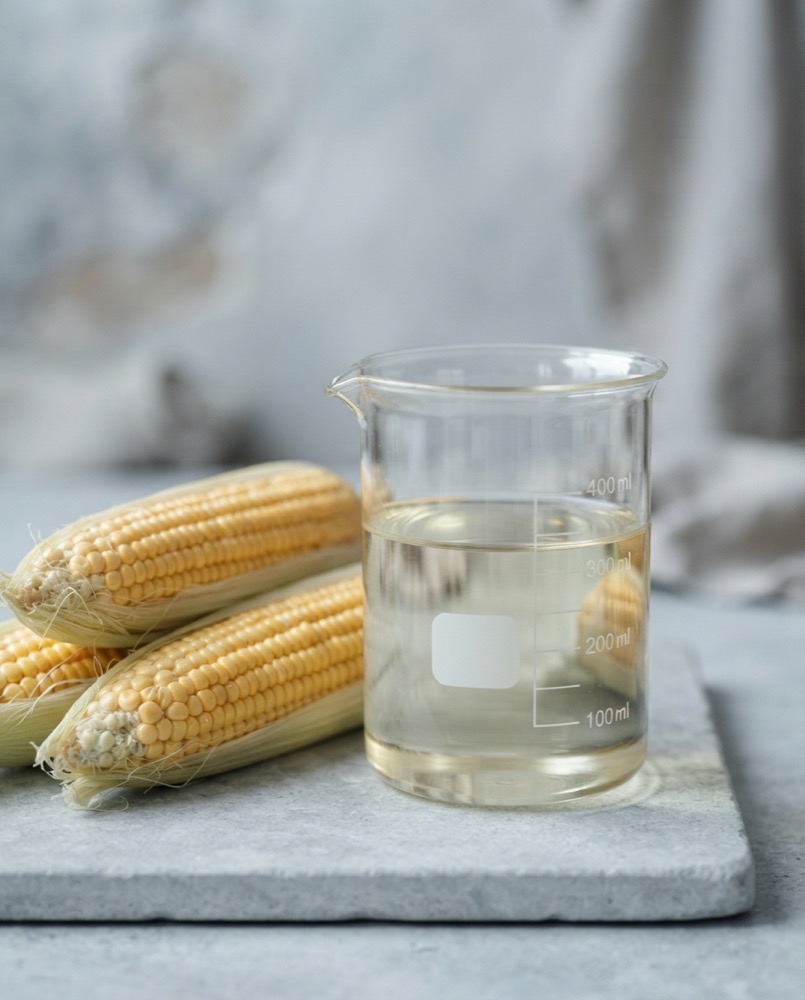
Propanediol – specifically 1,3-propanediol – is a small alcohol produced by fermenting corn sugar. It appears near the top of a great many ingredient lists because it does several unshowy jobs at once.
It is a humectant, a solvent for ingredients that will not dissolve in water alone, a preservative booster, and a texture agent that gives a formula its light, non-tacky slip. It is the plant-derived alternative brands reach for in place of propylene glycol.
What skin concerns does propanediol treat?
As a humectant it draws water into the stratum corneum, relieving dryness and tightness in any skin type. It is lightweight and non-comedogenic, so it suits oily and acne-prone skin as readily as dry.
Its more important function is enabling: it improves how well other actives penetrate and stay dissolved, so the salicylic acid or vitamin C beside it in the formula works better. Research on 1,3-propanediol covers exactly that role.
What ingredients are best paired with propanediol?
It carries and enhances actives across the board – salicylic acid, vitamin C, niacinamide, retinoids – and layers with glycerin and hyaluronic acid for hydration.
It is generally better tolerated than propylene glycol, which is a documented contact allergen, so it is the sensible choice for reactive skin. Seal it with a moisturiser as you would any humectant. Take our Skin Quiz.
What is rosacea?
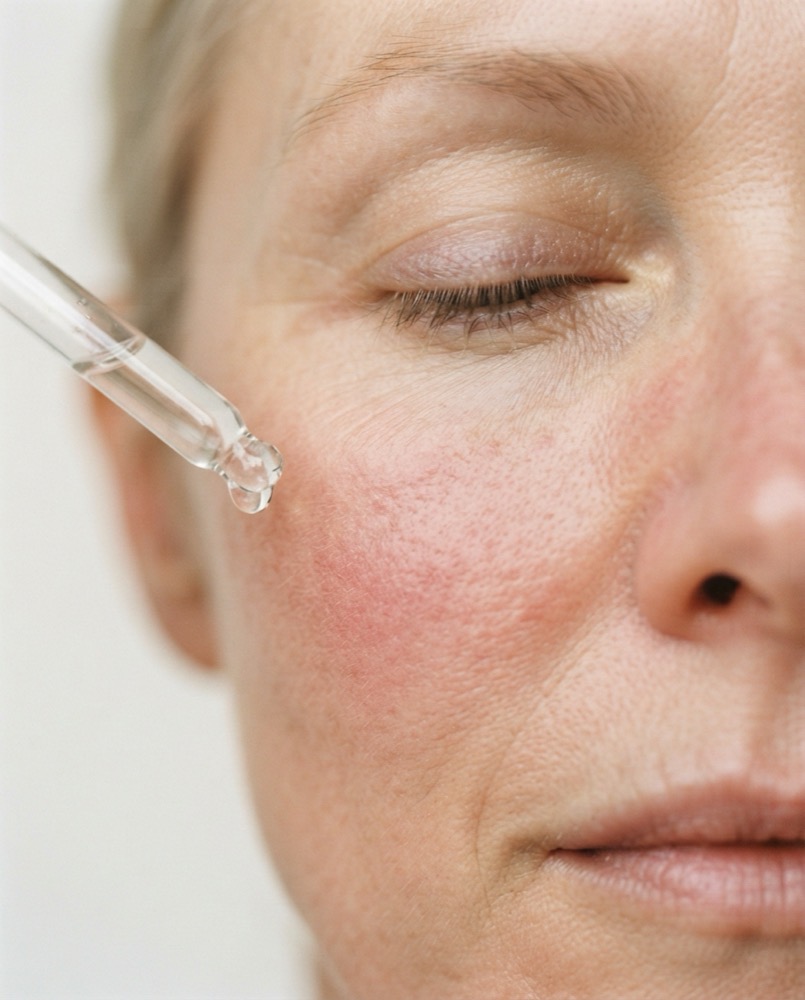
Rosacea is a chronic inflammatory skin condition that affects the central face – cheeks, nose, chin and forehead. It presents as persistent redness, visible broken capillaries, flushing that comes and goes, and in some subtypes acne-like papules and pustules.
Unlike acne, rosacea involves no comedones. It is driven by a combination of vascular hyper-reactivity, neurogenic inflammation and an overactive innate immune response, often with an impaired skin barrier alongside.
What causes rosacea?
There is no single cause. Genetic predisposition, an exaggerated immune response involving cathelicidin, overgrowth of Demodex mites, and dysfunction of the facial blood vessels all appear to contribute.
Flares are triggered by heat, sun exposure, alcohol, spicy food, hot drinks, exercise, stress, wind and cold, and by harsh skincare. Identifying and avoiding your own trigger set does as much as any product.
What ingredients are best for rosacea?
Azelaic acid and niacinamide are the standout actives – both reduce redness and inflammation without provoking the barrier. Sulphur, green tea extract, liquorice root and centella asiatica also calm reactive skin.
Build everything else around barrier repair: ceramides, glycerin, squalane and panthenol, with a gentle non-foaming cleanser and a mineral SPF every day. Avoid alcohol-heavy toners, fragrance, menthol, physical scrubs and high-strength acids. Take our Skin Quiz to build a routine your skin will tolerate.