

What is orange in skincare?
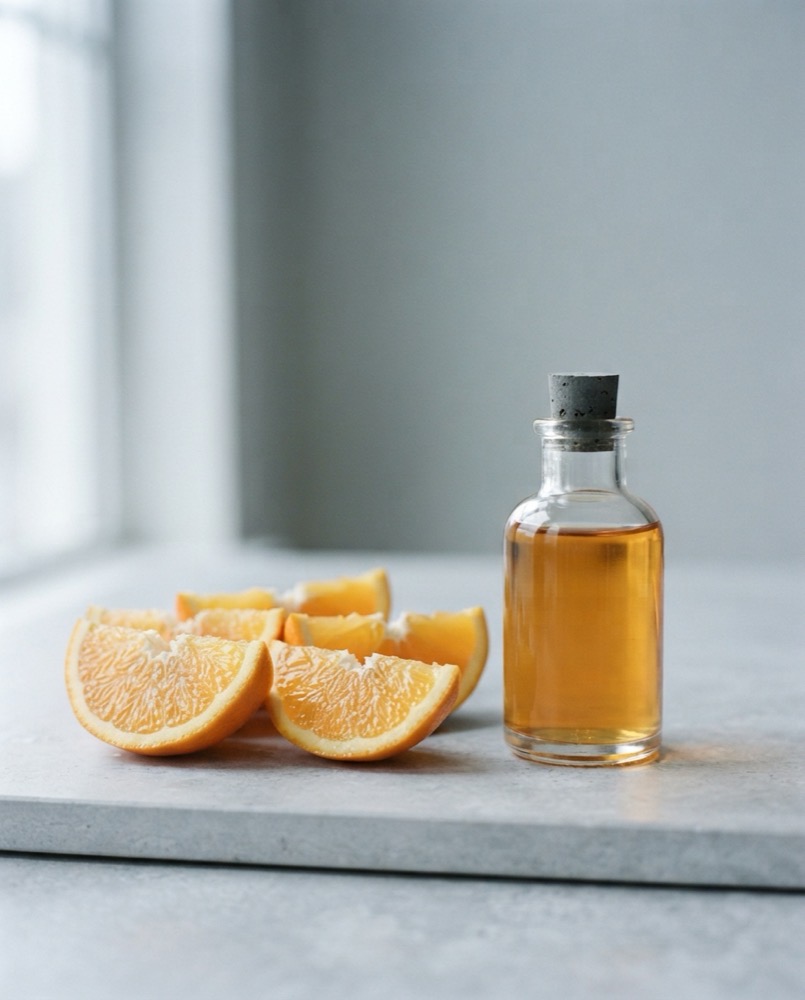
Orange reaches skincare in several forms: cold-pressed peel oil, sweet orange essential oil, fruit extract, and orange blossom water. They are not interchangeable – the peel oil is potent and fragrant, the extract mild, the hydrosol mostly water.
The fruit is a well-known source of vitamin C, and the peel contains limonene along with flavonoids such as hesperidin. The peel oil also contains furocoumarins, which matters for safety.
What skin concerns does orange treat?
Orange extracts contribute antioxidant activity and a mild brightening effect, and orange blossom water is a gentle, pleasant-smelling toner for normal skin. Sweet orange oil is used mainly for fragrance.
Two limitations are worth knowing. The vitamin C in fruit extract is nothing like a formulated vitamin C serum in concentration or stability. And cold-pressed citrus peel oil is phototoxic – blistering reactions to orange and sunlight are documented, so it does not belong in a daytime leave-on product.
What ingredients are best paired with orange?
If you want the fragrance and a light antioxidant contribution, look for orange extract or hydrosol in a rinse-off or night-time product, alongside glycerin, aloe and niacinamide.
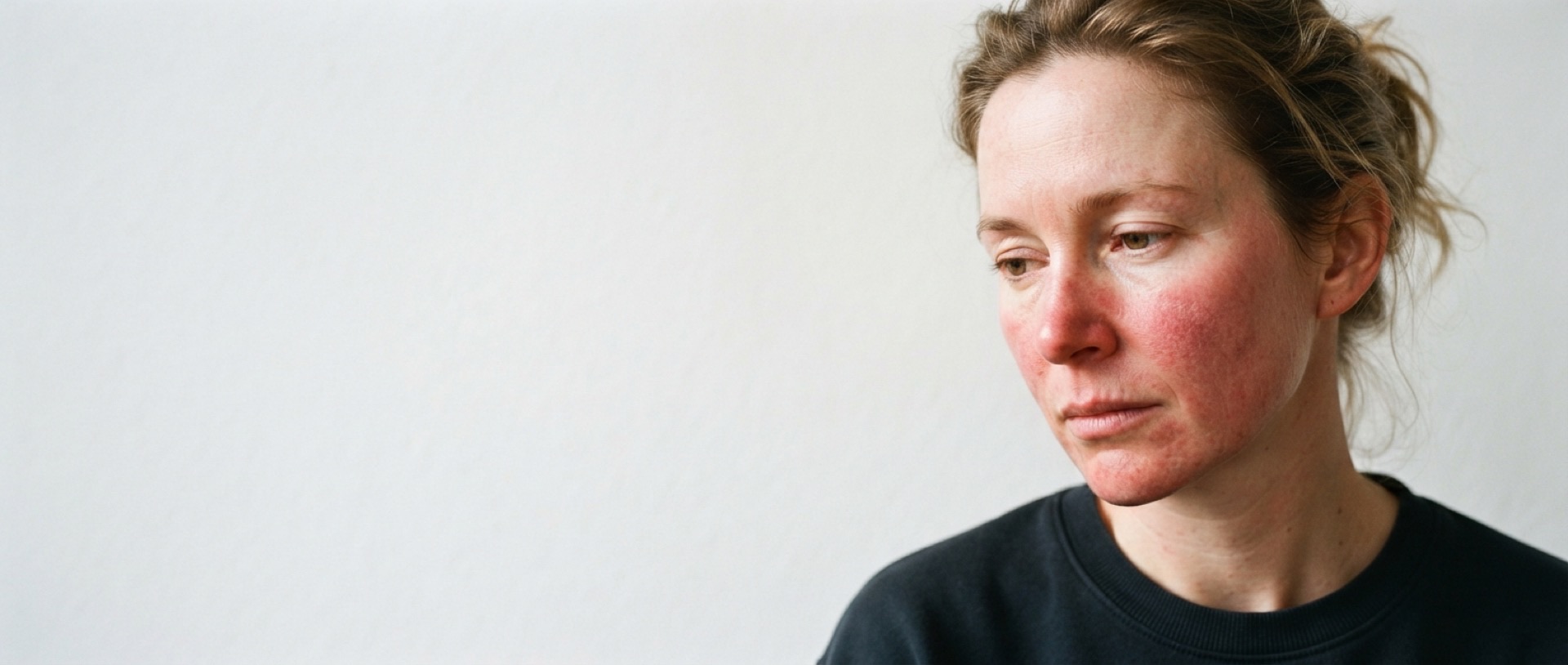
For the brightening and antioxidant benefits people actually want, formulated vitamin C with vitamin E and ferulic acid does the job at a known strength with no phototoxicity. Avoid citrus essential oils entirely if your skin is sensitive or rosacea-prone. Take our Skin Quiz.
What is hormonal acne?
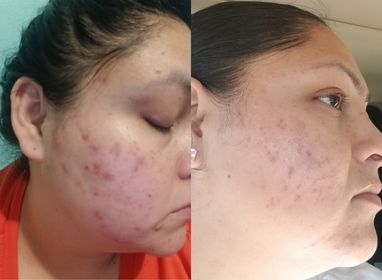
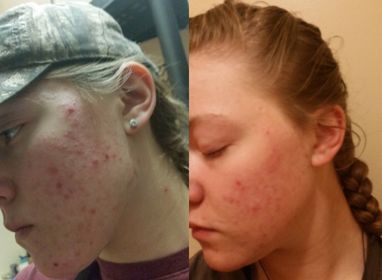
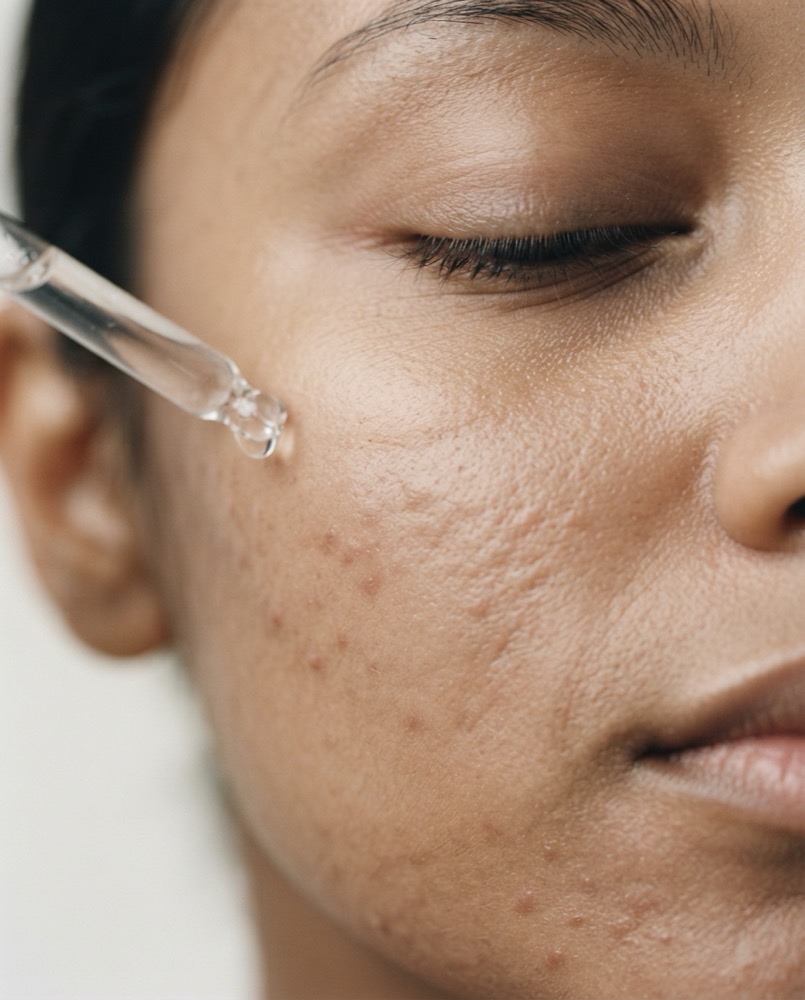
Hormonal acne is acne whose timing and pattern track with hormonal activity rather than with cleansing habits or diet alone. It typically appears along the lower face – jawline, chin and upper neck – as deep, tender papules and cysts that flare on a predictable cycle.
It is most recognisable in adult women, where breakouts often arrive in the week before menstruation and settle again afterwards.
What causes hormonal acne?
Androgens – testosterone and DHT in particular – bind to receptors on the sebaceous gland and increase sebum production. When androgen activity rises or oestrogen falls, oil output climbs and follicles clog more readily.
Menstrual cycles, starting or stopping contraception, pregnancy, perimenopause and PCOS are the usual contexts. Stress raises cortisol, which amplifies the same pathway. Persistent hormonal acne with irregular cycles or excess hair growth is worth investigating medically.
What ingredients are best for hormonal acne?
Retinoids are the most effective topical, because they stop the plug forming regardless of how much oil is being produced. Azelaic acid reduces inflammation and the marks that follow, and niacinamide helps regulate sebum.
Salicylic acid keeps pores clear between flares, and benzoyl peroxide targets bacteria in inflamed lesions. Because hormonal acne is driven from the inside, topicals manage rather than cure it – consistency across the whole cycle beats spot-treating during a flare. Take our Skin Quiz.