

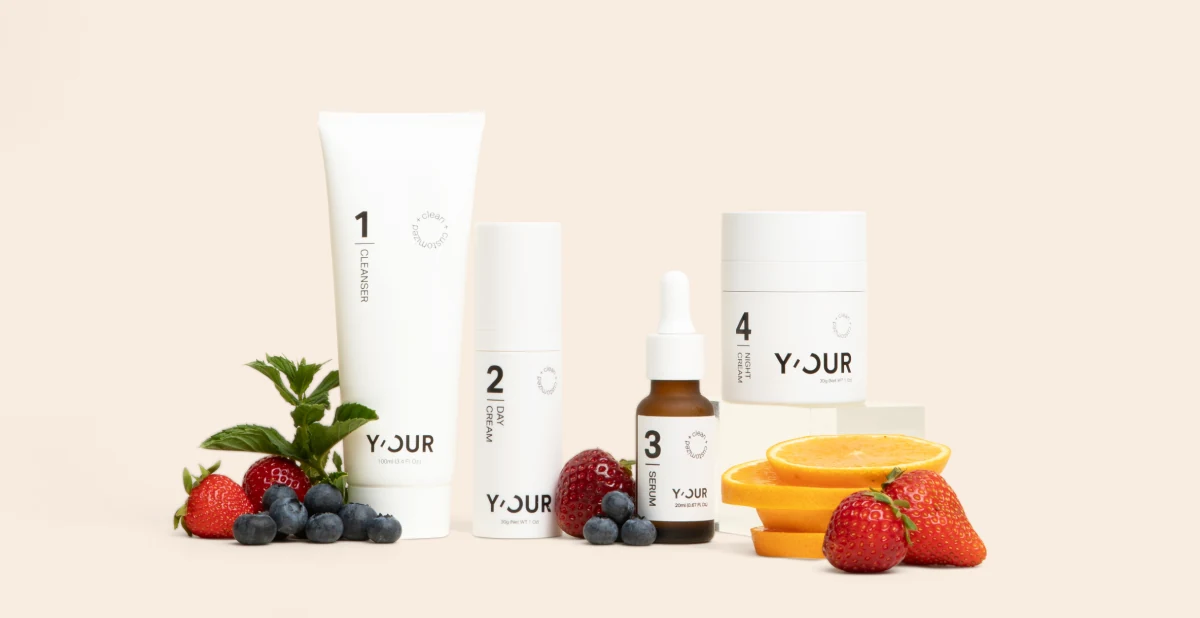
What is orange in skincare?
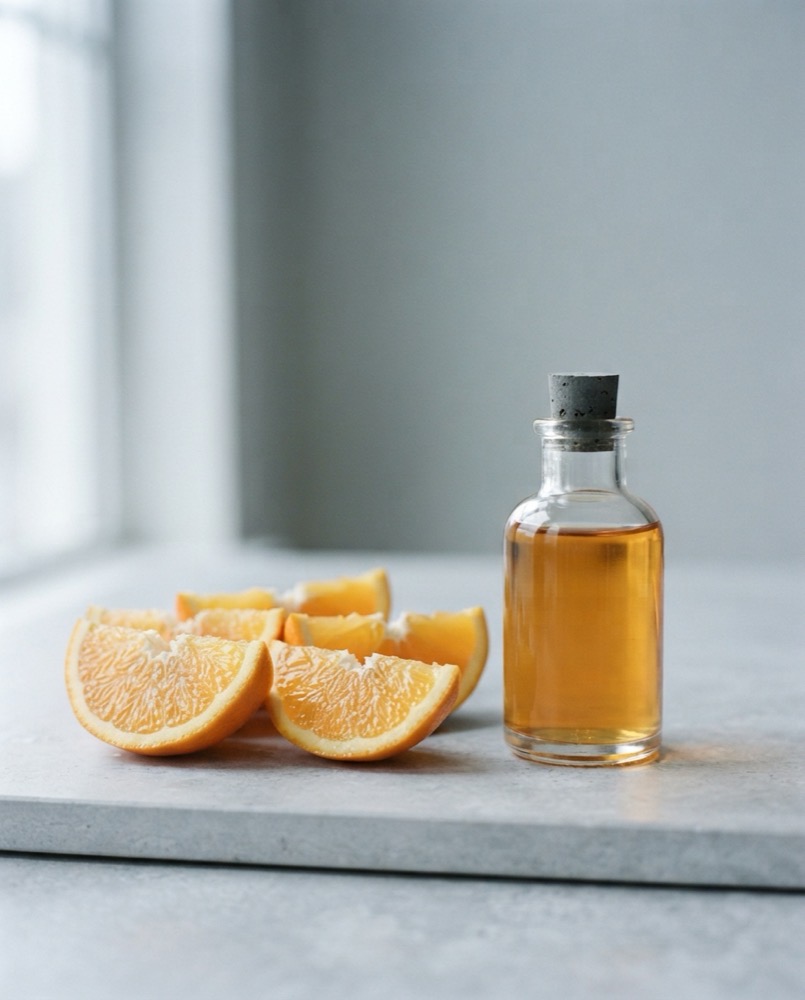
Orange reaches skincare in several forms: cold-pressed peel oil, sweet orange essential oil, fruit extract, and orange blossom water. They are not interchangeable – the peel oil is potent and fragrant, the extract mild, the hydrosol mostly water.
The fruit is a well-known source of vitamin C, and the peel contains limonene along with flavonoids such as hesperidin. The peel oil also contains furocoumarins, which matters for safety.
What skin concerns does orange treat?
Orange extracts contribute antioxidant activity and a mild brightening effect, and orange blossom water is a gentle, pleasant-smelling toner for normal skin. Sweet orange oil is used mainly for fragrance.
Two limitations are worth knowing. The vitamin C in fruit extract is nothing like a formulated vitamin C serum in concentration or stability. And cold-pressed citrus peel oil is phototoxic – blistering reactions to orange and sunlight are documented, so it does not belong in a daytime leave-on product.
What ingredients are best paired with orange?
If you want the fragrance and a light antioxidant contribution, look for orange extract or hydrosol in a rinse-off or night-time product, alongside glycerin, aloe and niacinamide.
For the brightening and antioxidant benefits people actually want, formulated vitamin C with vitamin E and ferulic acid does the job at a known strength with no phototoxicity. Avoid citrus essential oils entirely if your skin is sensitive or rosacea-prone. Take our Skin Quiz.
What is acne?
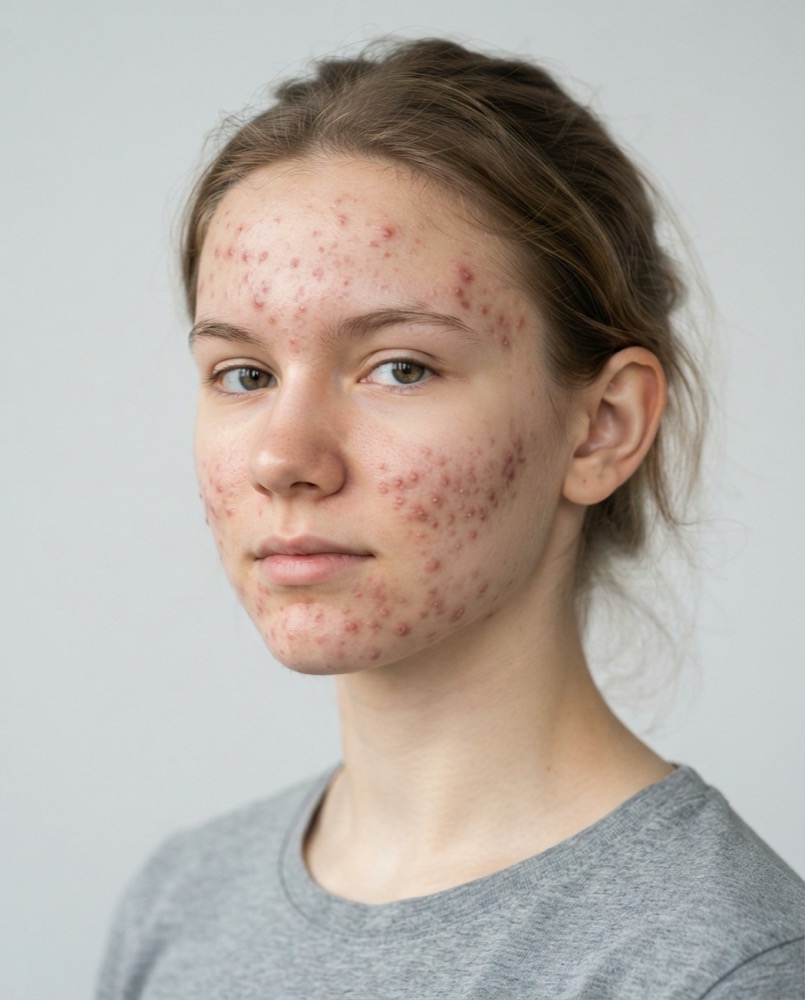
Acne vulgaris is a chronic inflammatory condition of the pilosebaceous unit – the hair follicle and its attached oil gland. It produces blackheads and whiteheads, inflamed papules and pustules, and in severe cases deep nodules and cysts.
It is the most common skin condition worldwide, and it is not a hygiene problem. Acne begins with a microcomedone forming invisibly inside the follicle, weeks before anything shows on the surface.
What causes acne?
Four mechanisms work together: excess sebum driven by androgens, abnormal shedding of cells inside the follicle, overgrowth of Cutibacterium acnes, and the inflammatory response that follows.
Genetics set the baseline. Hormonal fluctuation, stress, high-glycaemic diets, comedogenic products, friction from masks or helmets, and certain medications all push it further. Over-cleansing and picking make it visibly worse.
What ingredients are best for acne?
Salicylic acid clears inside the pore, benzoyl peroxide reduces bacterial load, and retinoids prevent the plug forming in the first place – that last one is the most valuable long-term.
Azelaic acid and niacinamide reduce inflammation and the marks left behind, and sulphur or clay help oily, congested skin. Keep the barrier intact with a gentle cleanser and a light non-comedogenic moisturiser; stripped skin produces more oil. Take our Skin Quiz.