

What is olive oil in skincare?
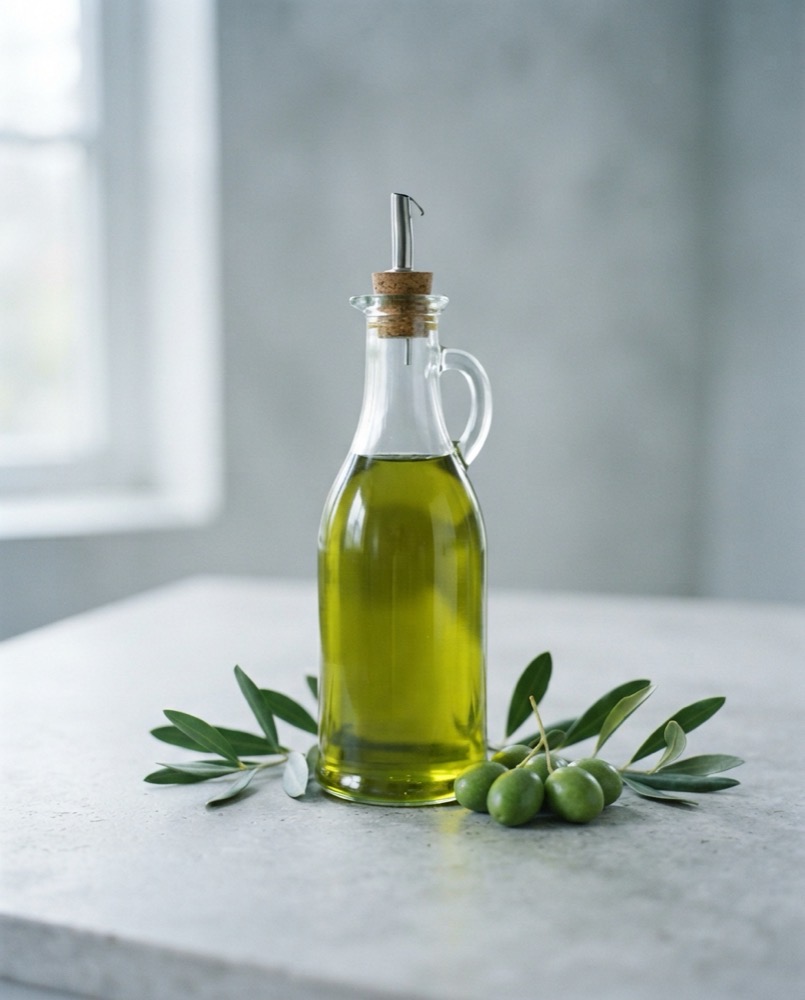
Olive oil is pressed from the fruit of Olea europaea and has been used on skin for thousands of years. It is roughly 70% oleic acid, a monounsaturated fatty acid, with smaller amounts of linoleic acid, squalene and polyphenols such as hydroxytyrosol.
That fatty acid profile matters. Oleic-dominant oils are rich and occlusive but, as comparative research on plant oils shows, they can also disrupt the skin barrier rather than repair it – the opposite of what linoleic-rich oils do.
What skin concerns does olive oil treat?
On intact, dry body skin it is an effective emollient and a serviceable makeup remover, and its polyphenols and squalene contribute antioxidant activity.
It is a poor choice for the face if you are acne-prone, since it is comedogenic, and studies have found repeated topical olive oil increases water loss through the barrier rather than reducing it. It is specifically not recommended on infant skin or on eczema.
What ingredients are best paired with olive oil?
If you use it, use it on the body, over hydrated skin, and alongside ceramides and glycerin rather than on its own.
For facial use, linoleic-rich oils – sunflower, grapeseed, rosehip, hemp seed – or non-comedogenic squalane and jojoba do the same job without the barrier penalty. Squalane is in fact derived from olives, and delivers olive oil’s best component without its drawbacks. Take our Skin Quiz.
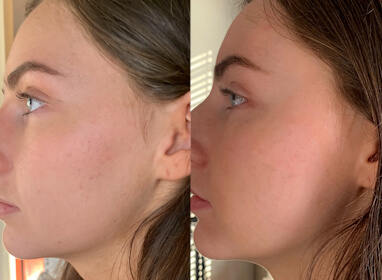
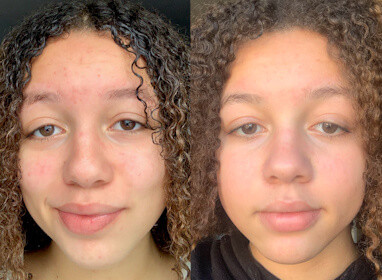
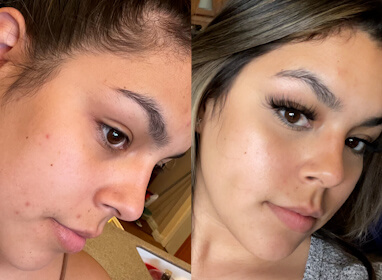
What is acne?
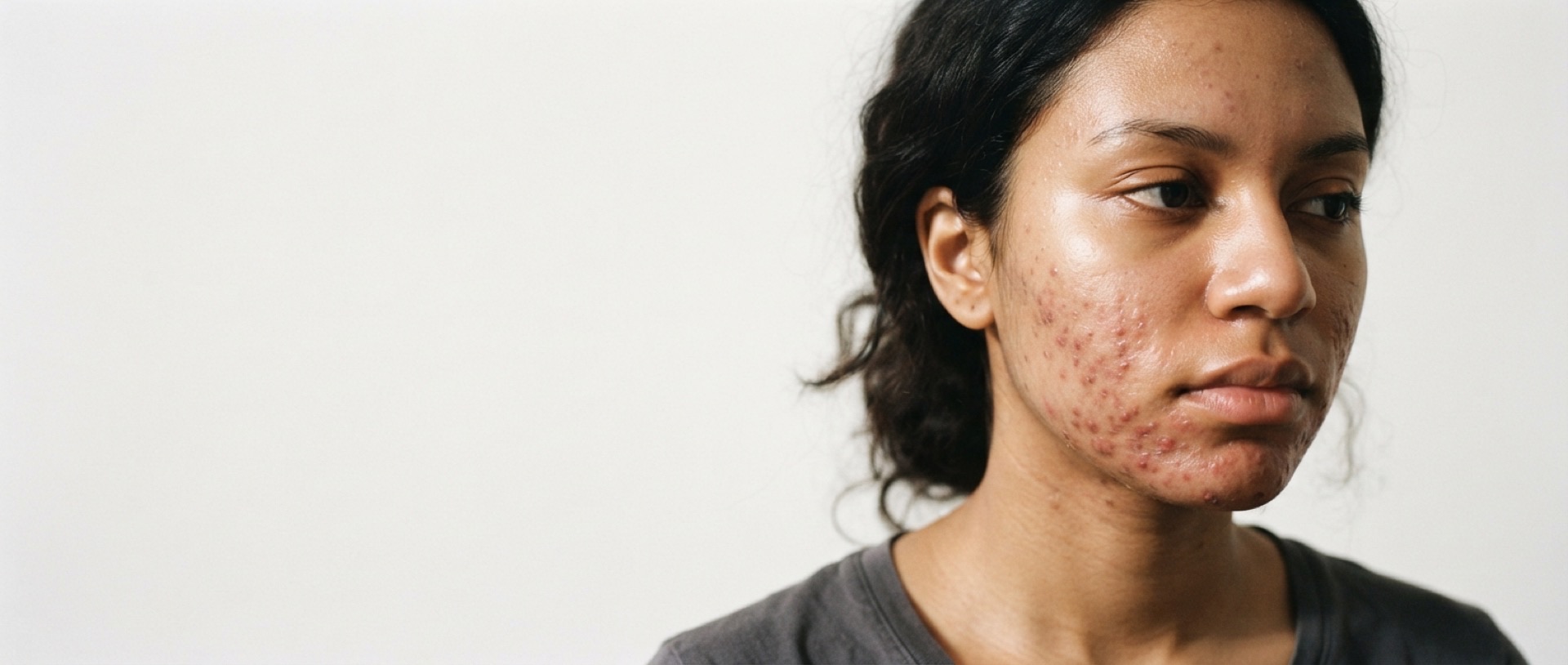
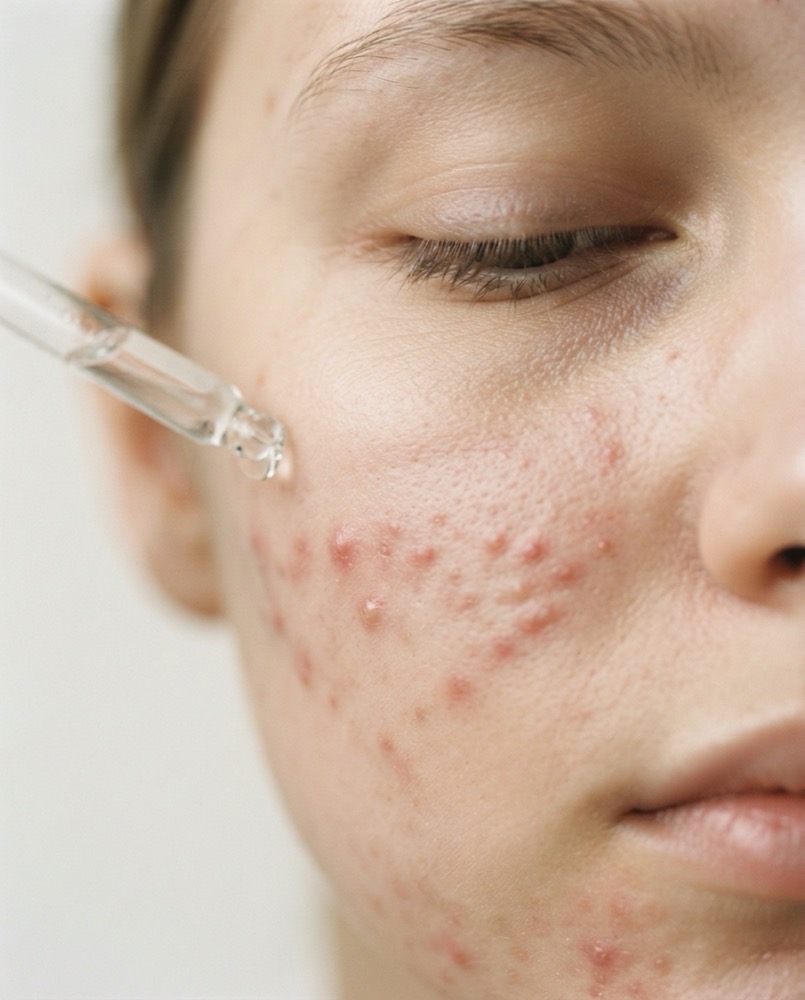
Acne vulgaris is a chronic inflammatory condition of the pilosebaceous unit – the hair follicle and its attached oil gland. It produces blackheads and whiteheads, inflamed papules and pustules, and in severe cases deep nodules and cysts.
It is the most common skin condition worldwide, and it is not a hygiene problem. Acne begins with a microcomedone forming invisibly inside the follicle, weeks before anything shows on the surface.
What causes acne?
Four mechanisms work together: excess sebum driven by androgens, abnormal shedding of cells inside the follicle, overgrowth of Cutibacterium acnes, and the inflammatory response that follows.
Genetics set the baseline. Hormonal fluctuation, stress, high-glycaemic diets, comedogenic products, friction from masks or helmets, and certain medications all push it further. Over-cleansing and picking make it visibly worse.
What ingredients are best for acne?
Salicylic acid clears inside the pore, benzoyl peroxide reduces bacterial load, and retinoids prevent the plug forming in the first place – that last one is the most valuable long-term.
Azelaic acid and niacinamide reduce inflammation and the marks left behind, and sulphur or clay help oily, congested skin. Keep the barrier intact with a gentle cleanser and a light non-comedogenic moisturiser; stripped skin produces more oil. Take our Skin Quiz.