What is oatmeal in skincare?
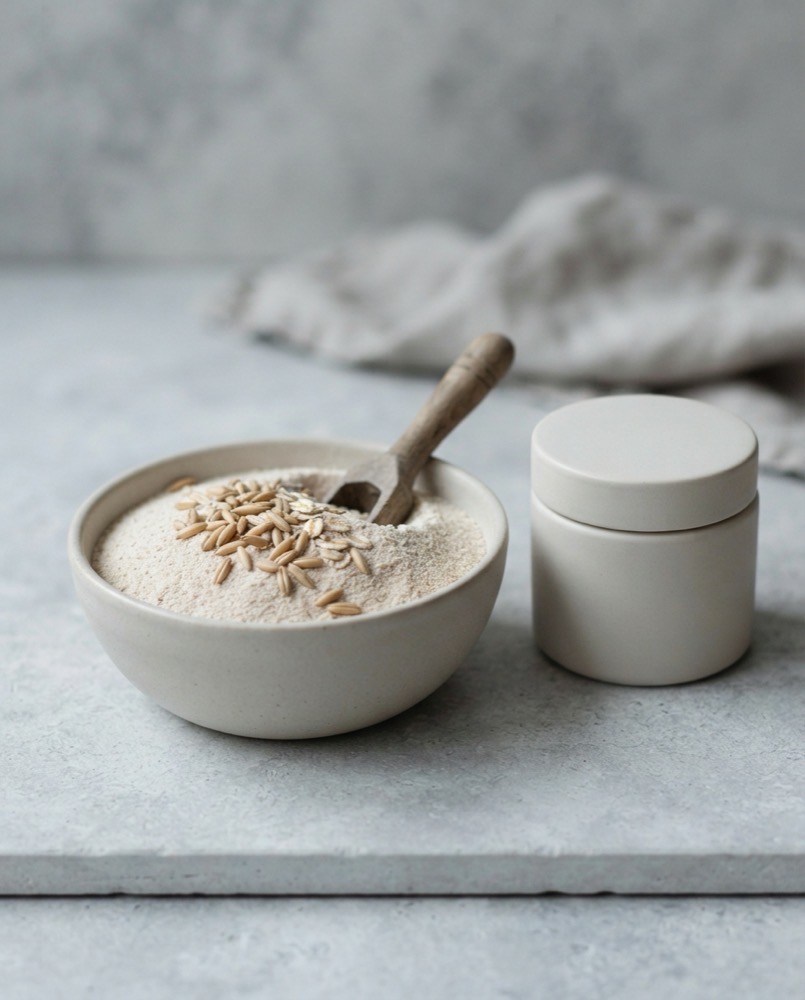
Oatmeal – most often used in skincare as finely milled colloidal oatmeal – is ground oat grain that disperses in water and forms a soft, protective film on the skin. It is rich in beta-glucans, lipids, saponins and avenanthramides, a group of polyphenols with well-documented anti-inflammatory and antioxidant activity. That mix lets oatmeal act as a gentle cleanser, an emollient and a barrier-repair agent all at once, which is why it turns up in everything from homemade face masks to prescription-strength eczema creams.
What skin concerns does oatmeal treat?
Oatmeal is best known for calming dry, itchy and reactive skin. Colloidal oatmeal measurably reduces redness and inflammation, and it is one of very few ingredients recognised for relieving eczema flare-ups, contact dermatitis, hives, bug bites and sunburn.
Ground oatmeal also works as a mild physical exfoliant, lifting dead cells, dirt and excess oil without the micro-tears that harsher scrubs can cause – useful for acne-prone and combination skin that cannot tolerate strong actives. Its antioxidant content adds a preventative benefit, protecting the skin from the free-radical damage that drives premature ageing.
What ingredients are best paired with oatmeal?
Oatmeal performs best alongside hydrating and barrier-repairing ingredients. Pair it with ceramides, hyaluronic acid, glycerin, squalane, shea butter, niacinamide and panthenol (vitamin B5) to maximise moisture retention, reduce redness and strengthen the skin’s protective lipid barrier.
Keep it out of the same routine step as strong acids or high-strength retinoids – oatmeal’s value is in soothing rather than resurfacing. Not sure how much oatmeal your skin actually needs? Take our Skin Quiz and get a formula built around your skin.
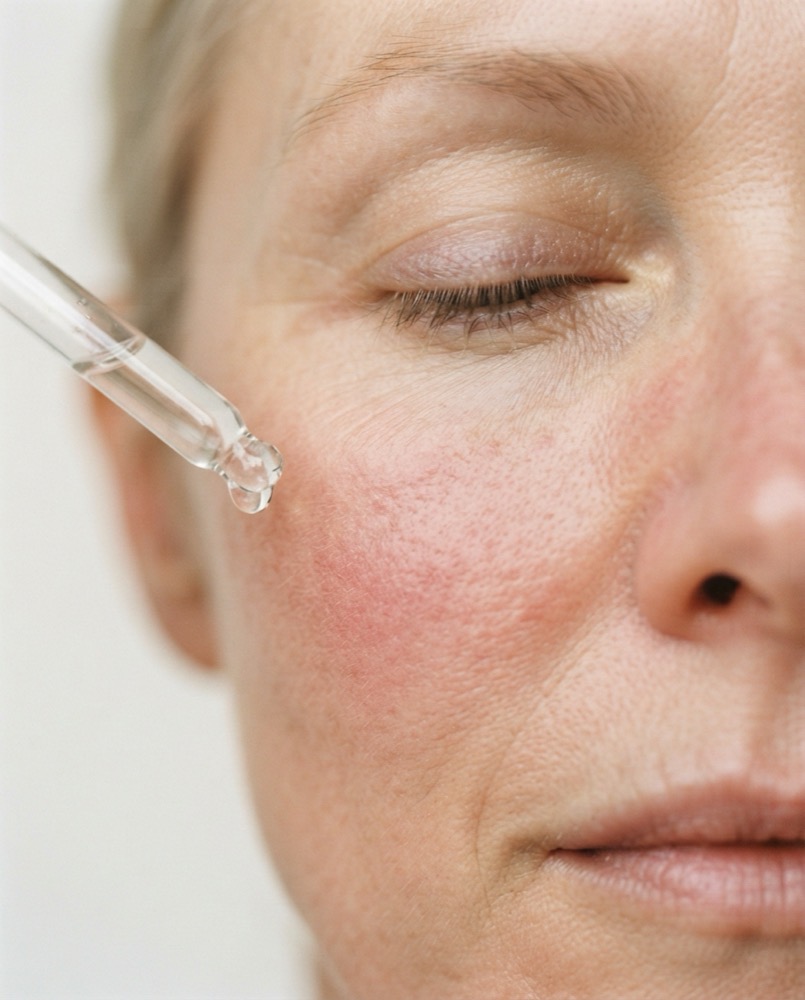
What is rosacea?
Rosacea is a chronic inflammatory skin condition that affects the central face – cheeks, nose, chin and forehead. It presents as persistent redness, visible broken capillaries, flushing that comes and goes, and in some subtypes acne-like papules and pustules.
Unlike acne, rosacea involves no comedones. It is driven by a combination of vascular hyper-reactivity, neurogenic inflammation and an overactive innate immune response, often with an impaired skin barrier alongside.
What causes rosacea?
There is no single cause. Genetic predisposition, an exaggerated immune response involving cathelicidin, overgrowth of Demodex mites, and dysfunction of the facial blood vessels all appear to contribute.
Flares are triggered by heat, sun exposure, alcohol, spicy food, hot drinks, exercise, stress, wind and cold, and by harsh skincare. Identifying and avoiding your own trigger set does as much as any product.
What ingredients are best for rosacea?
Azelaic acid and niacinamide are the standout actives – both reduce redness and inflammation without provoking the barrier. Sulphur, green tea extract, liquorice root and centella asiatica also calm reactive skin.
Build everything else around barrier repair: ceramides, glycerin, squalane and panthenol, with a gentle non-foaming cleanser and a mineral SPF every day. Avoid alcohol-heavy toners, fragrance, menthol, physical scrubs and high-strength acids. Take our Skin Quiz to build a routine your skin will tolerate.