

What is oatmeal in skincare?
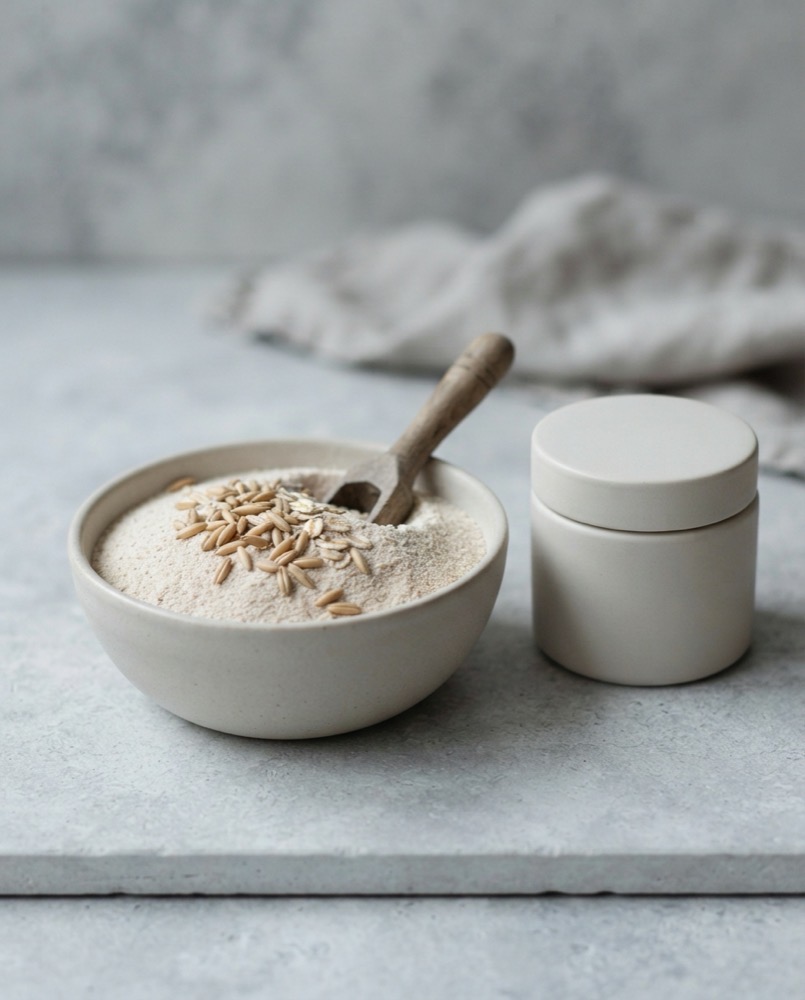
Oatmeal – most often used in skincare as finely milled colloidal oatmeal – is ground oat grain that disperses in water and forms a soft, protective film on the skin. It is rich in beta-glucans, lipids, saponins and avenanthramides, a group of polyphenols with well-documented anti-inflammatory and antioxidant activity. That mix lets oatmeal act as a gentle cleanser, an emollient and a barrier-repair agent all at once, which is why it turns up in everything from homemade face masks to prescription-strength eczema creams.
What skin concerns does oatmeal treat?
Oatmeal is best known for calming dry, itchy and reactive skin. Colloidal oatmeal measurably reduces redness and inflammation, and it is one of very few ingredients recognised for relieving eczema flare-ups, contact dermatitis, hives, bug bites and sunburn.
Ground oatmeal also works as a mild physical exfoliant, lifting dead cells, dirt and excess oil without the micro-tears that harsher scrubs can cause – useful for acne-prone and combination skin that cannot tolerate strong actives. Its antioxidant content adds a preventative benefit, protecting the skin from the free-radical damage that drives premature ageing.
What ingredients are best paired with oatmeal?
Oatmeal performs best alongside hydrating and barrier-repairing ingredients. Pair it with ceramides, hyaluronic acid, glycerin, squalane, shea butter, niacinamide and panthenol (vitamin B5) to maximise moisture retention, reduce redness and strengthen the skin’s protective lipid barrier.
Keep it out of the same routine step as strong acids or high-strength retinoids – oatmeal’s value is in soothing rather than resurfacing. Not sure how much oatmeal your skin actually needs? Take our Skin Quiz and get a formula built around your skin.
What is acne?
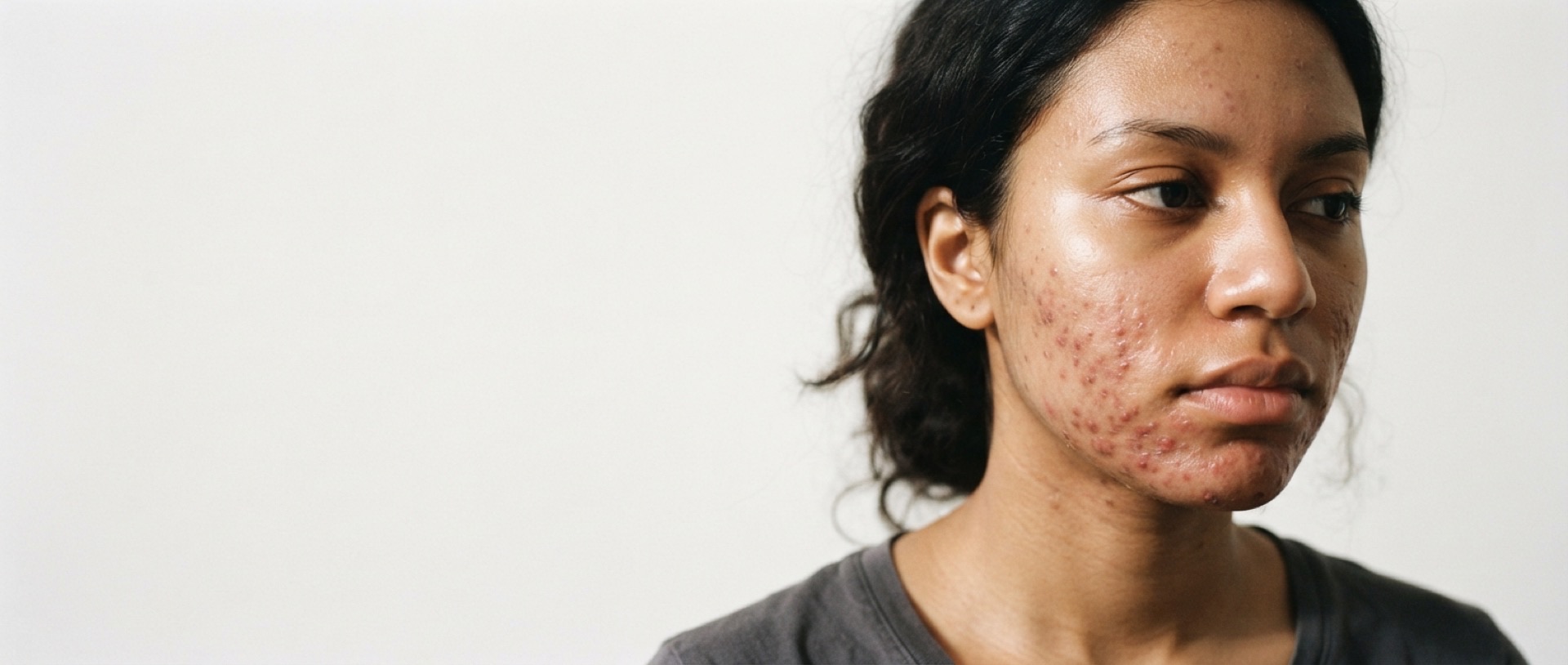
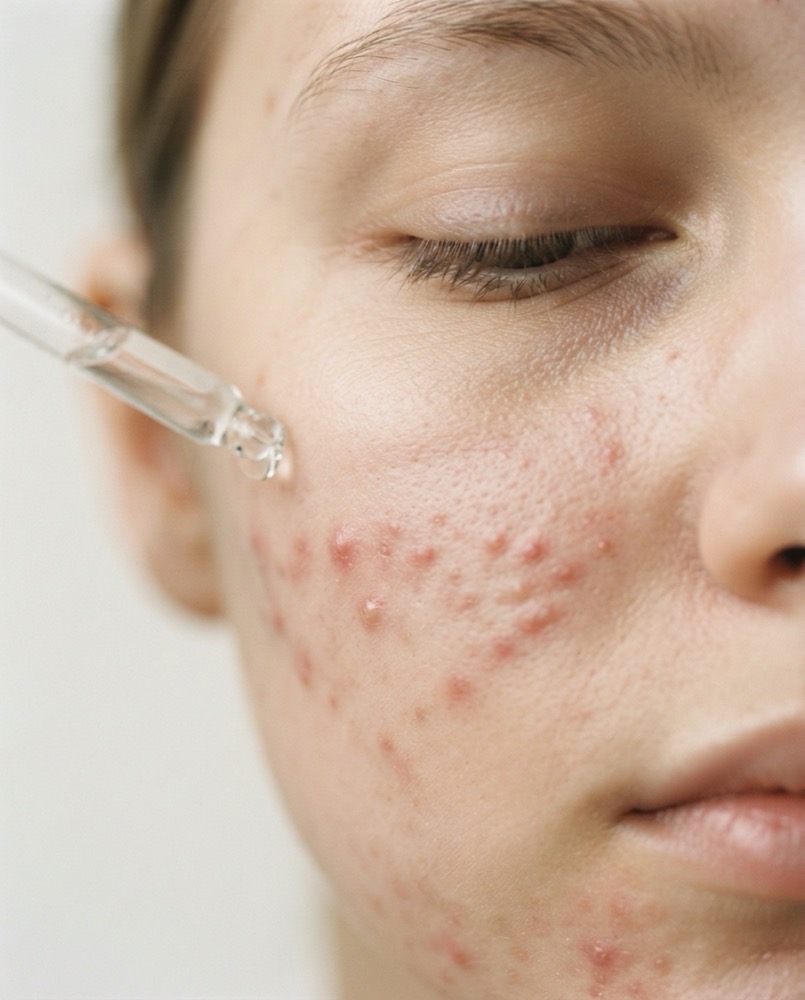
Acne vulgaris is a chronic inflammatory condition of the pilosebaceous unit – the hair follicle and its attached oil gland. It produces blackheads and whiteheads, inflamed papules and pustules, and in severe cases deep nodules and cysts.
It is the most common skin condition worldwide, and it is not a hygiene problem. Acne begins with a microcomedone forming invisibly inside the follicle, weeks before anything shows on the surface.
What causes acne?
Four mechanisms work together: excess sebum driven by androgens, abnormal shedding of cells inside the follicle, overgrowth of Cutibacterium acnes, and the inflammatory response that follows.
Genetics set the baseline. Hormonal fluctuation, stress, high-glycaemic diets, comedogenic products, friction from masks or helmets, and certain medications all push it further. Over-cleansing and picking make it visibly worse.
What ingredients are best for acne?
Salicylic acid clears inside the pore, benzoyl peroxide reduces bacterial load, and retinoids prevent the plug forming in the first place – that last one is the most valuable long-term.
Azelaic acid and niacinamide reduce inflammation and the marks left behind, and sulphur or clay help oily, congested skin. Keep the barrier intact with a gentle cleanser and a light non-comedogenic moisturiser; stripped skin produces more oil. Take our Skin Quiz.