

What is marula oil in skincare?
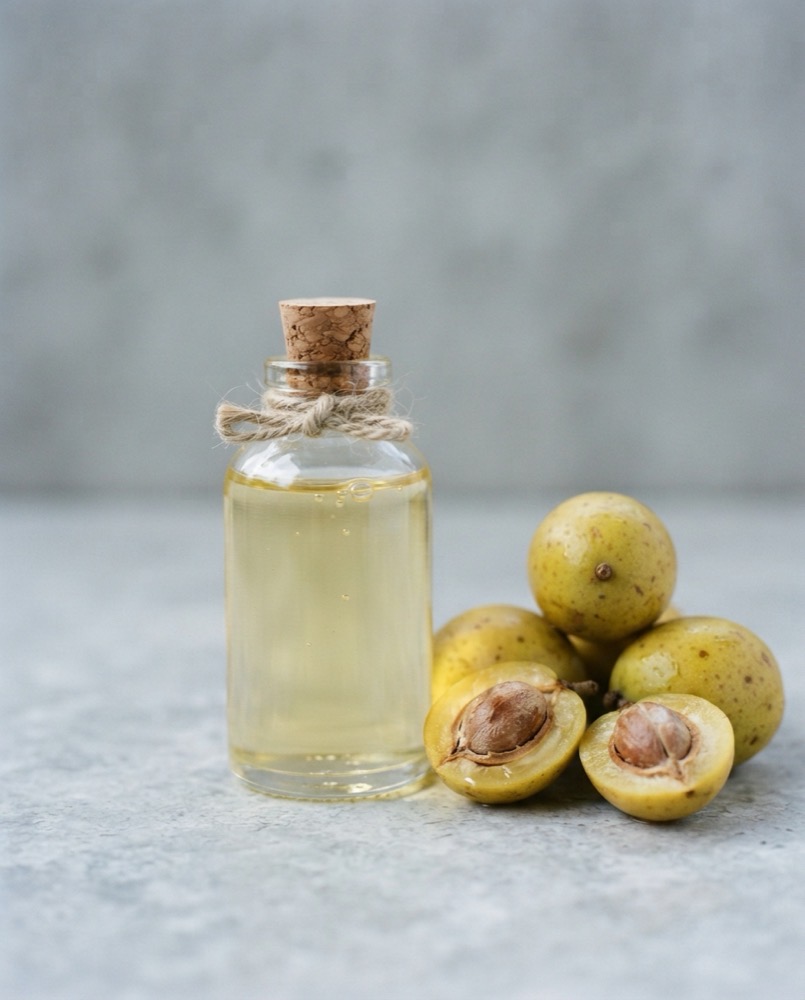
Marula oil is cold-pressed from the kernels of the marula fruit, native to southern Africa. It is a light, fast-absorbing oil that is very high in oleic acid – often 70 to 80% – with vitamin E, phenolic antioxidants and amino acids.
Despite being oleic-dominant it has an unusually light skin feel, and its high antioxidant content makes it exceptionally resistant to oxidation compared with most plant oils.
What skin concerns does marula oil treat?
It hydrates and softens dry, dehydrated and mature skin, improves suppleness, and reduces the tightness that comes with a depleted barrier. Its antioxidants support skin against environmental and inflammatory stress.
It is often used on the face, body, cuticles and hair ends, and is popular for stretch marks. Because it is high in oleic acid it is better suited to normal, dry and mature skin than to congested, oily skin.
What ingredients are best paired with marula oil?
Apply it over a hydrating serum – hyaluronic acid, glycerin or niacinamide – so it seals moisture in, and combine it with ceramides for barrier repair.
It also works well as a final step over a retinoid to reduce flaking. Its stability means it keeps longer than lighter oils like grapeseed or rosehip without refrigeration. Take our Skin Quiz.
What is acne?
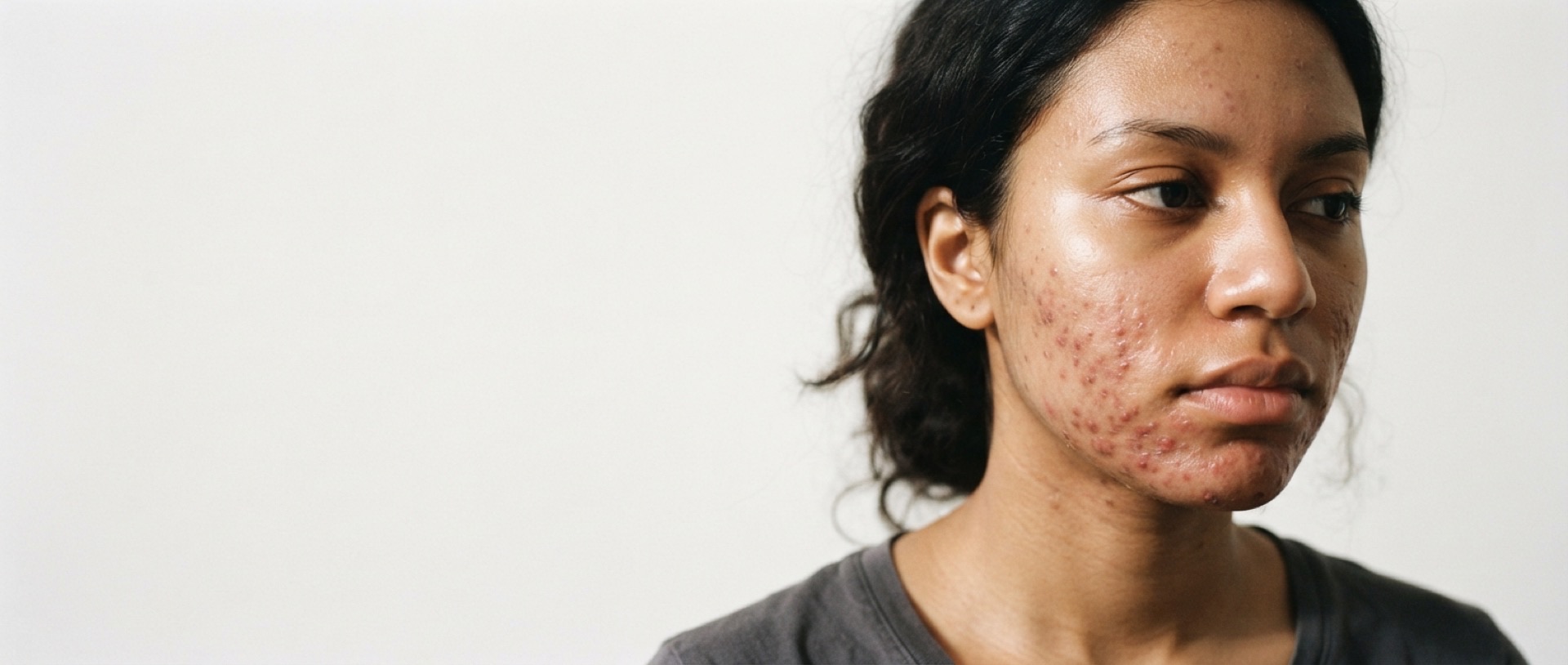
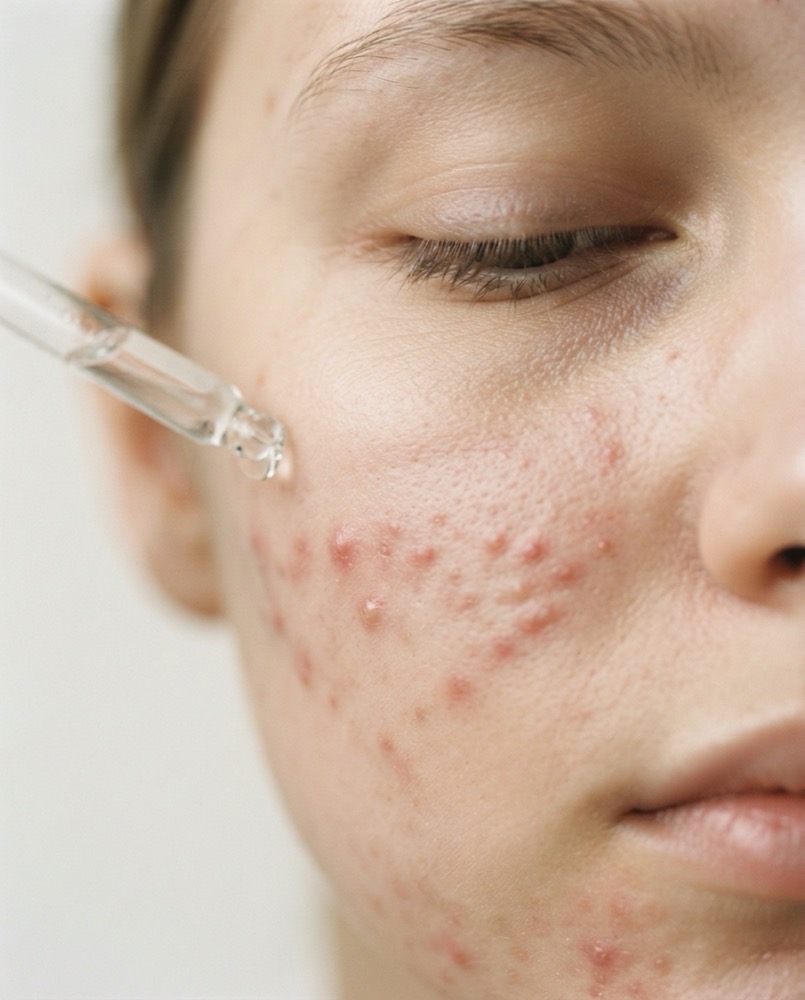
Acne vulgaris is a chronic inflammatory condition of the pilosebaceous unit – the hair follicle and its attached oil gland. It produces blackheads and whiteheads, inflamed papules and pustules, and in severe cases deep nodules and cysts.
It is the most common skin condition worldwide, and it is not a hygiene problem. Acne begins with a microcomedone forming invisibly inside the follicle, weeks before anything shows on the surface.
What causes acne?
Four mechanisms work together: excess sebum driven by androgens, abnormal shedding of cells inside the follicle, overgrowth of Cutibacterium acnes, and the inflammatory response that follows.
Genetics set the baseline. Hormonal fluctuation, stress, high-glycaemic diets, comedogenic products, friction from masks or helmets, and certain medications all push it further. Over-cleansing and picking make it visibly worse.
What ingredients are best for acne?
Salicylic acid clears inside the pore, benzoyl peroxide reduces bacterial load, and retinoids prevent the plug forming in the first place – that last one is the most valuable long-term.
Azelaic acid and niacinamide reduce inflammation and the marks left behind, and sulphur or clay help oily, congested skin. Keep the barrier intact with a gentle cleanser and a light non-comedogenic moisturiser; stripped skin produces more oil. Take our Skin Quiz.