

What is lemon in skincare?
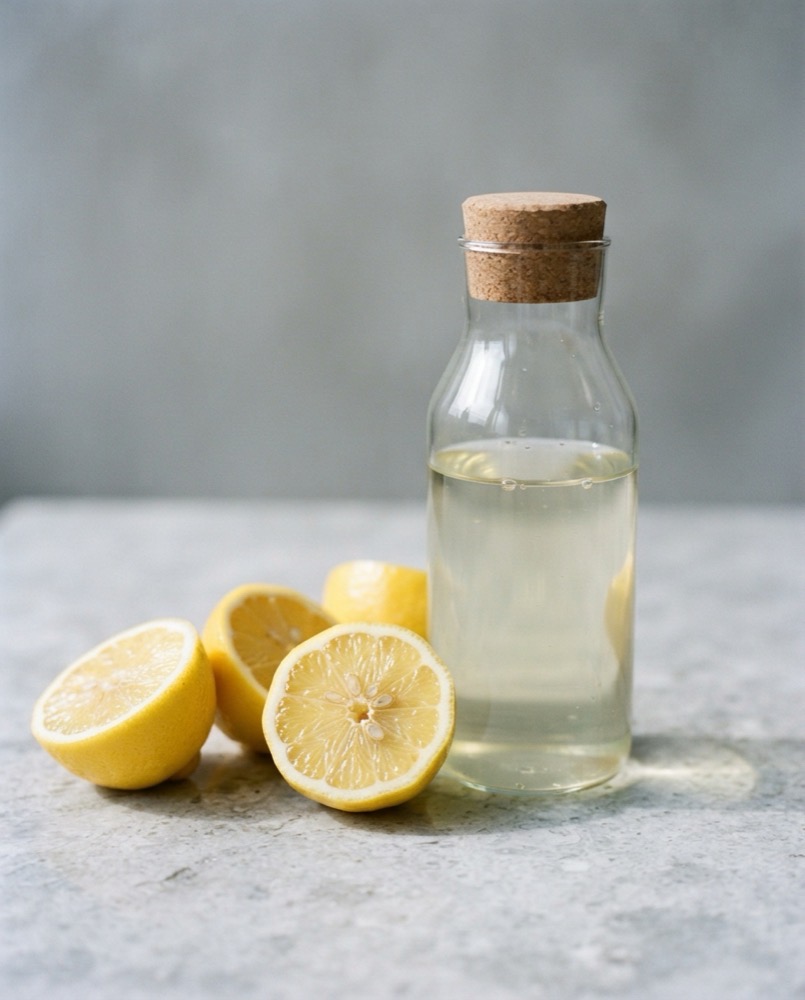
Lemon is the fruit of Citrus limon. Its juice is strongly acidic, with a pH around 2, and contains citric acid, vitamin C and a group of compounds called furocoumarins – the last of which is the problem.
Lemon has a long folk history as a skin lightener and acne treatment, which is why it still appears in home remedies. Modern dermatology takes a much dimmer view, and the reason is well documented.
What skin concerns does lemon treat?
The claimed uses are brightening dark spots, drying out blemishes and exfoliating. Citric acid is a real AHA and the vitamin C content is real, so the logic is not baseless – but the delivery is uncontrolled and the collateral damage is significant.
Furocoumarins in citrus juice cause phytophotodermatitis: a phototoxic reaction producing burns, blisters and long-lasting brown staining when treated skin meets sunlight. Ironically, the most common result of using lemon for dark spots is more pigmentation, not less.
What ingredients are best paired with lemon?
The honest answer is to leave lemon juice out of skincare altogether. Its pH is far outside what skin tolerates, and it strips the acid mantle while creating a photosensitivity risk.
For everything lemon is reached for there is a better-controlled option: vitamin C, niacinamide, alpha arbutin or azelaic acid for brightening; glycolic or lactic acid for exfoliation; salicylic acid for blemishes. All work at a skin-safe pH and none will burn you in the sun. Take our Skin Quiz.
What is acne?
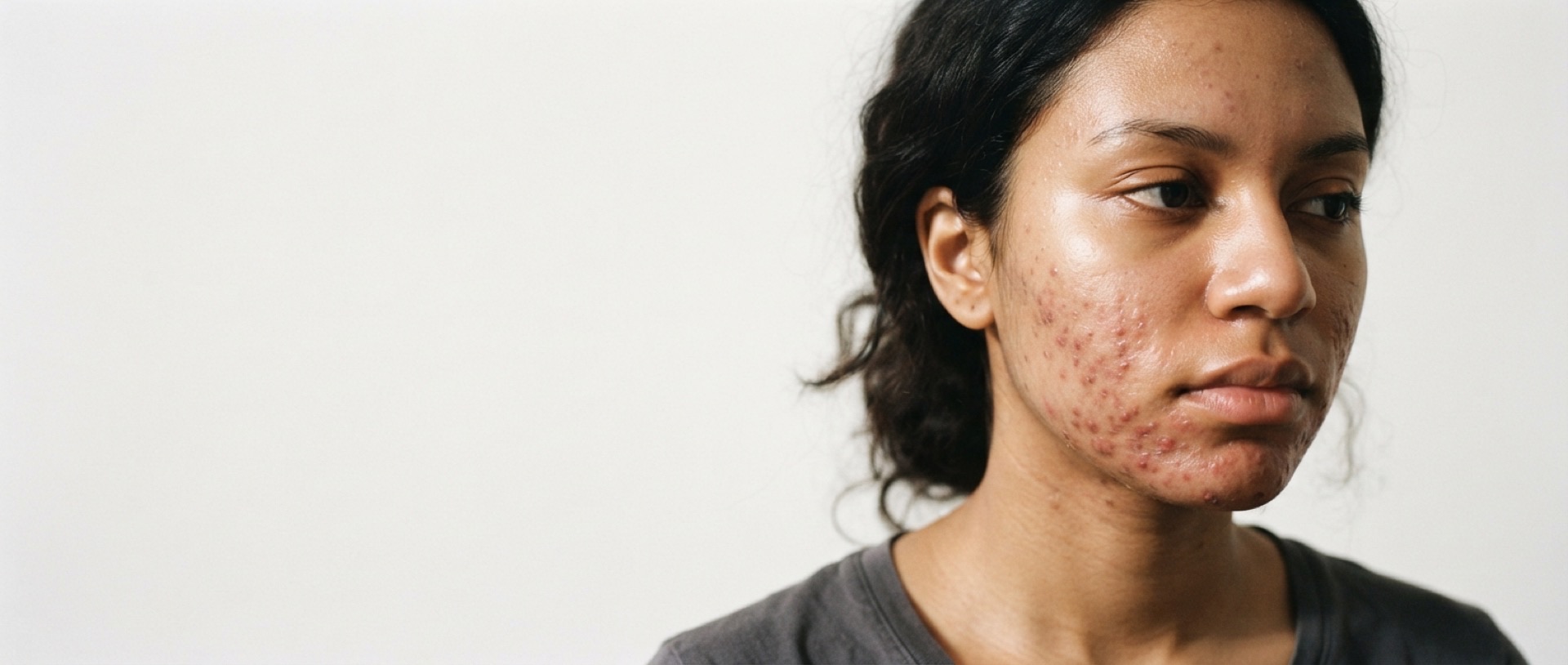
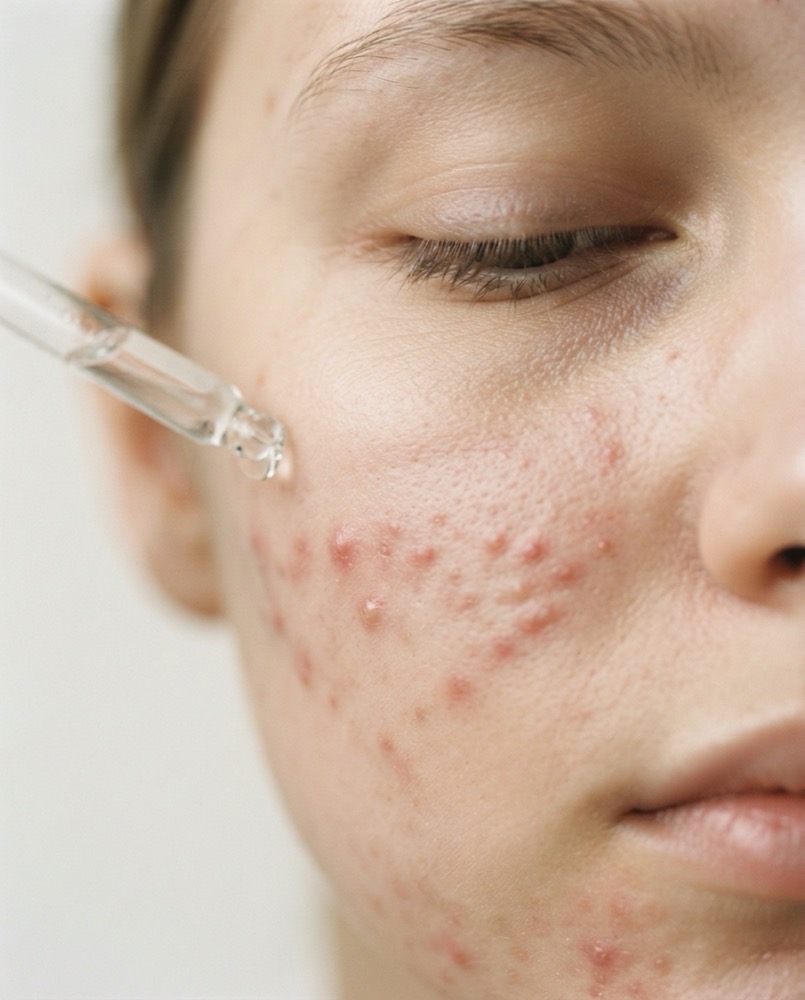
Acne vulgaris is a chronic inflammatory condition of the pilosebaceous unit – the hair follicle and its attached oil gland. It produces blackheads and whiteheads, inflamed papules and pustules, and in severe cases deep nodules and cysts.
It is the most common skin condition worldwide, and it is not a hygiene problem. Acne begins with a microcomedone forming invisibly inside the follicle, weeks before anything shows on the surface.
What causes acne?
Four mechanisms work together: excess sebum driven by androgens, abnormal shedding of cells inside the follicle, overgrowth of Cutibacterium acnes, and the inflammatory response that follows.
Genetics set the baseline. Hormonal fluctuation, stress, high-glycaemic diets, comedogenic products, friction from masks or helmets, and certain medications all push it further. Over-cleansing and picking make it visibly worse.
What ingredients are best for acne?
Salicylic acid clears inside the pore, benzoyl peroxide reduces bacterial load, and retinoids prevent the plug forming in the first place – that last one is the most valuable long-term.
Azelaic acid and niacinamide reduce inflammation and the marks left behind, and sulphur or clay help oily, congested skin. Keep the barrier intact with a gentle cleanser and a light non-comedogenic moisturiser; stripped skin produces more oil. Take our Skin Quiz.