What is lavender in skincare?
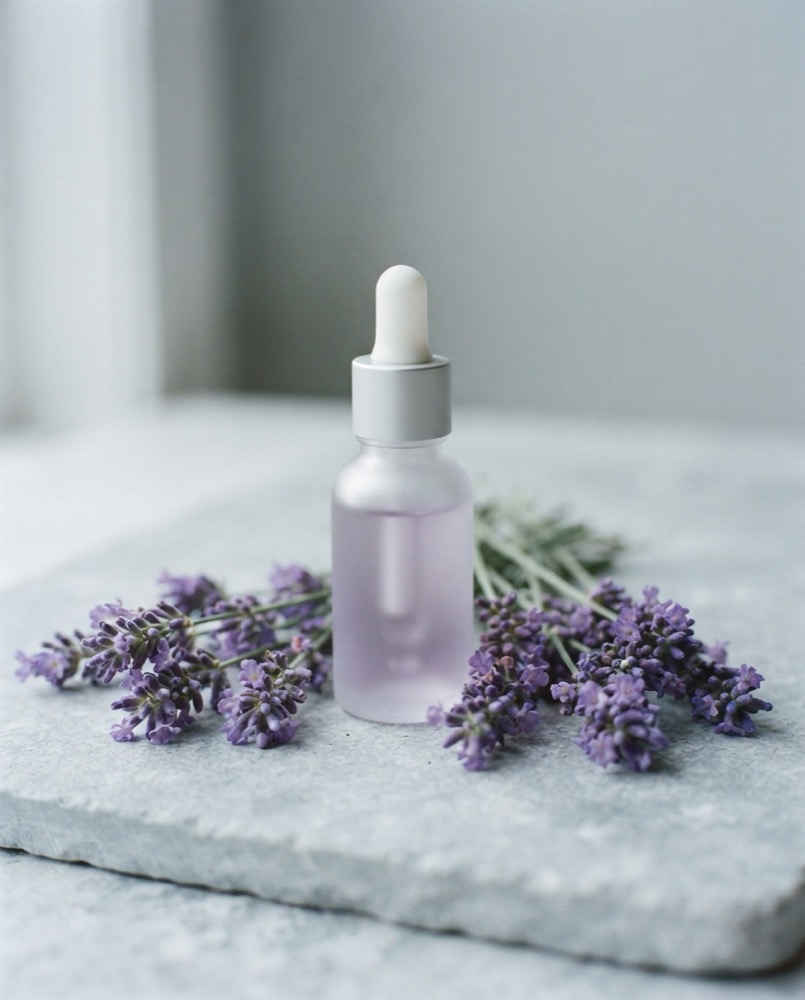
Lavender oil is steam-distilled from the flowering spikes of Lavandula angustifolia. Its main constituents are linalool and linalyl acetate, which give it both its scent and its biological activity.
It is one of the most widely used essential oils in cosmetics, valued for fragrance as much as for function. Its anti-inflammatory and antimicrobial properties are real, but so is its potential to sensitise skin.
What skin concerns does lavender treat?
It calms minor irritation, insect bites and small wounds, and has been shown to support wound healing and collagen synthesis in experimental models. Its antibacterial action gives it a modest role in mild acne.
Its most reliable benefit is arguably indirect: lavender’s effect on stress and sleep quality matters for skin, since cortisol drives inflammation and breakouts. As a topical active on the face, however, it is one of the weaker options.
What ingredients are best paired with lavender?
Always dilute it in a carrier oil – jojoba, squalane or sweet almond – to around 1%. Pair it with calming ingredients such as chamomile, centella asiatica and colloidal oatmeal.
Be cautious: linalool oxidises on exposure to air into a known contact allergen, and lavender is a common cause of fragrance sensitivity. If your skin is reactive or you are treating rosacea, a fragrance-free calming ingredient is the safer choice. Take our Skin Quiz.
What is adult acne?
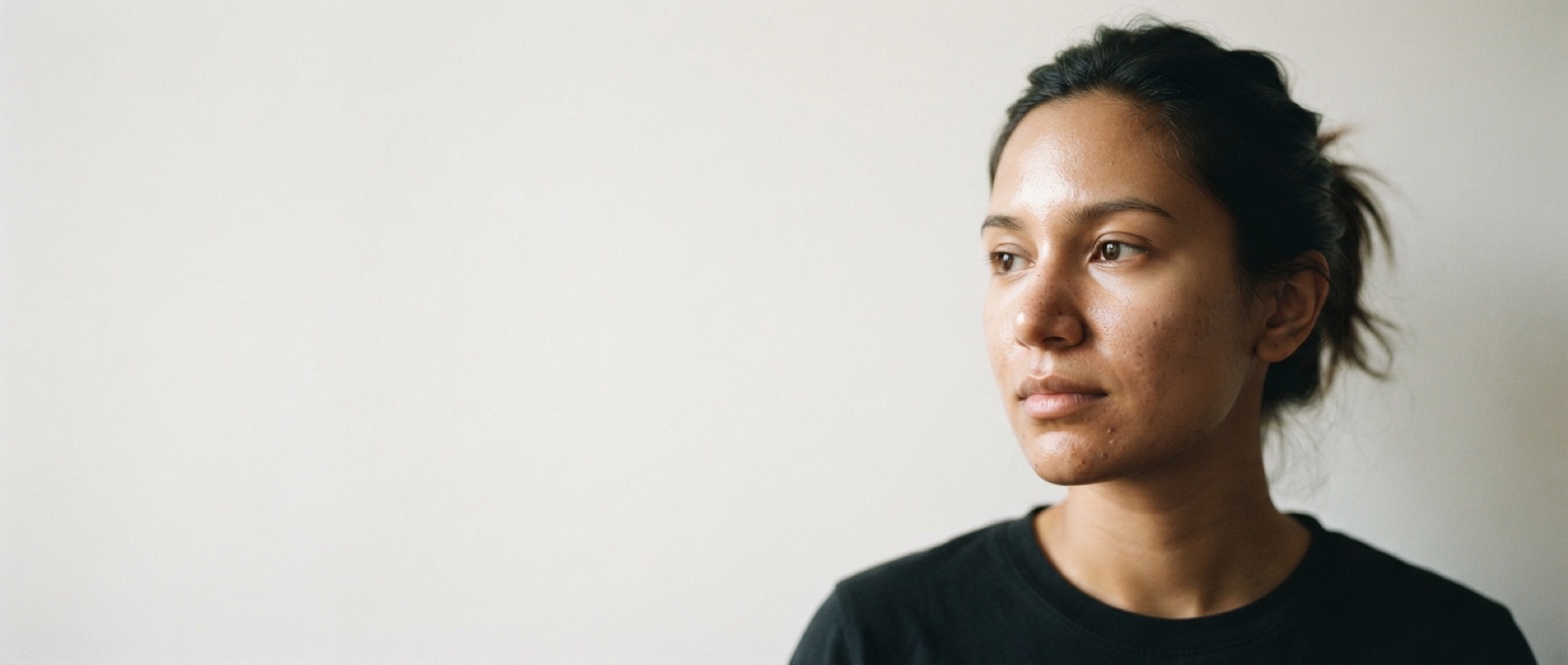
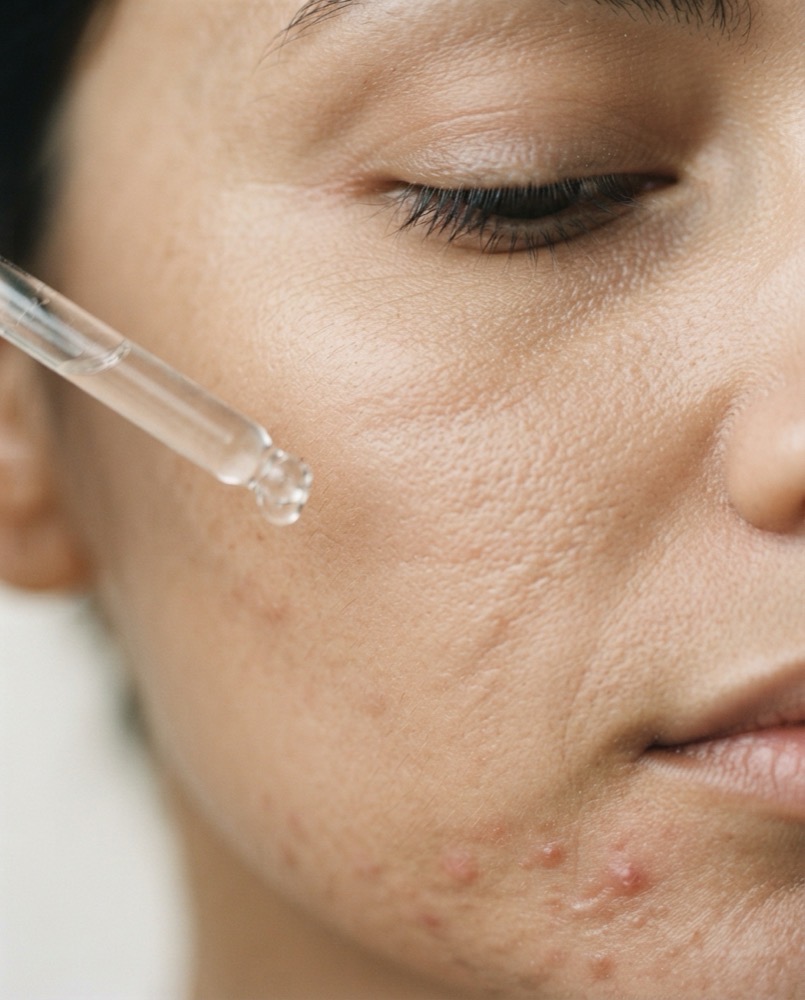
Adult acne is acne that persists past the teenage years or appears for the first time in your twenties, thirties or later. It affects a substantial share of adults, and disproportionately women.
It tends to look different from teenage acne: fewer widespread blackheads, more deep tender lesions along the jawline, chin and neck, often on skin that is simultaneously dry, sensitive or already showing early signs of ageing.
What causes adult acne?
Hormonal fluctuation is the leading driver – menstrual cycles, coming off or starting contraception, pregnancy, perimenopause and conditions such as PCOS all shift androgen activity and sebum output.
Stress and cortisol, sleep debt, high-glycaemic diets, comedogenic makeup and skincare, friction, and certain medications compound it. Adult skin also heals more slowly, so marks linger longer than they did at nineteen.
What ingredients are best for adult acne?
The challenge is treating acne without wrecking a barrier that is also ageing. Retinoids do double duty here, clearing follicles and stimulating collagen at the same time.
Azelaic acid is excellent for adult skin because it handles lesions, redness and post-acne marks together. Add salicylic acid used sparingly, niacinamide to regulate oil and calm inflammation, and ceramides plus hyaluronic acid to keep hydration up. Skip harsh benzoyl peroxide concentrations and scrubs. Take our Skin Quiz.