What is hydroquinone in skincare?
Hydroquinone is a phenolic compound that suppresses melanin production by inhibiting tyrosinase, the key enzyme in the pigment pathway. It has been the dermatological reference standard for skin lightening for decades.
Its regulatory status varies widely. In the United States prescription strengths are 4%; in the European Union and several other markets it is banned from cosmetics entirely and available only through a doctor.
What skin concerns does hydroquinone treat?
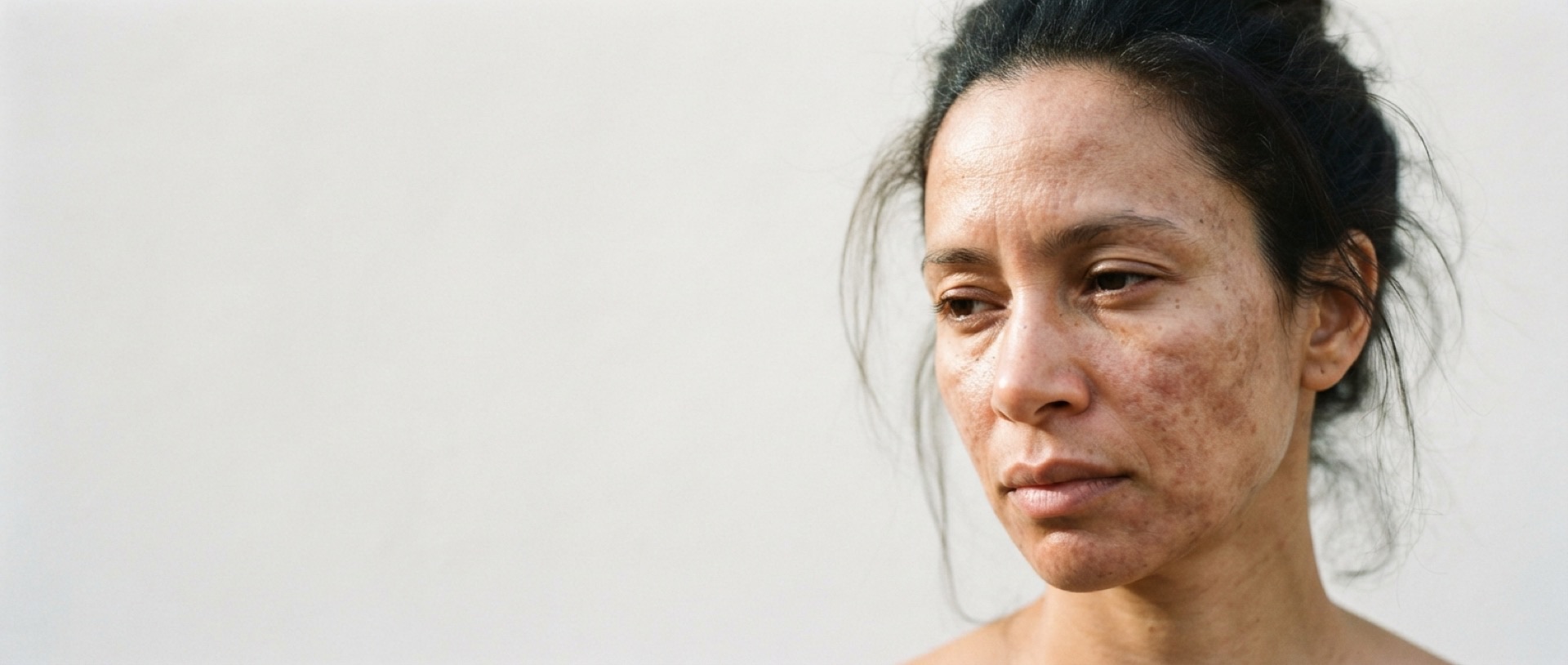
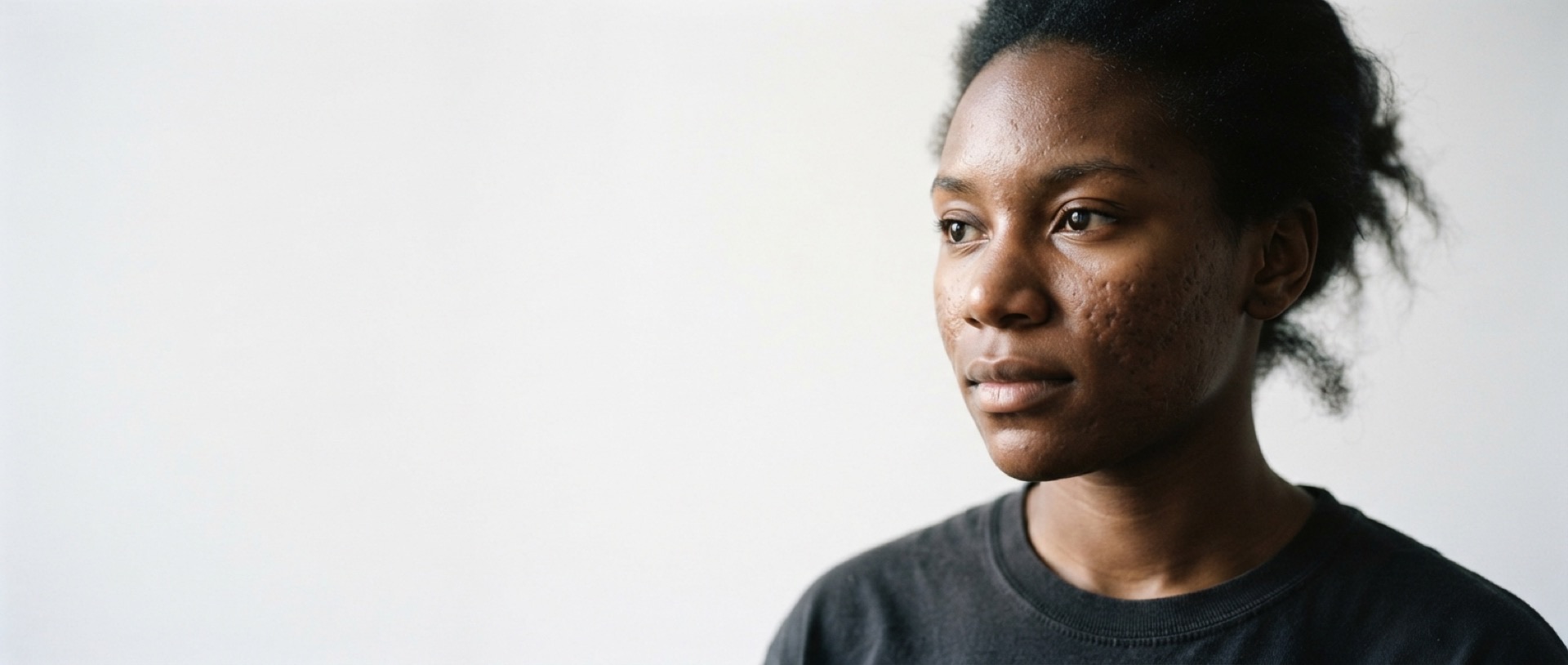
It is used for melasma, solar lentigines, post-inflammatory hyperpigmentation and other stubborn pigment that has not responded to gentler agents. Meta-analyses of topical melasma treatments consistently place it among the most effective options.
It is intended for short courses – typically three to six months. Prolonged unsupervised use carries a risk of ochronosis, a blue-black discolouration that is very difficult to reverse, which is why safety reviews stress medical supervision.
What ingredients are best paired with hydroquinone?
It is most effective in the classic triple combination with a retinoid and a mild corticosteroid, prescribed and monitored by a dermatologist. Daily broad-spectrum SPF is mandatory, or the pigment simply returns.
If hydroquinone is unavailable or unsuitable, azelaic acid, tranexamic acid, alpha arbutin, kojic acid, niacinamide and vitamin C are the evidence-backed alternatives – slower, but safe for long-term use. Take our Skin Quiz.
What is rosacea?
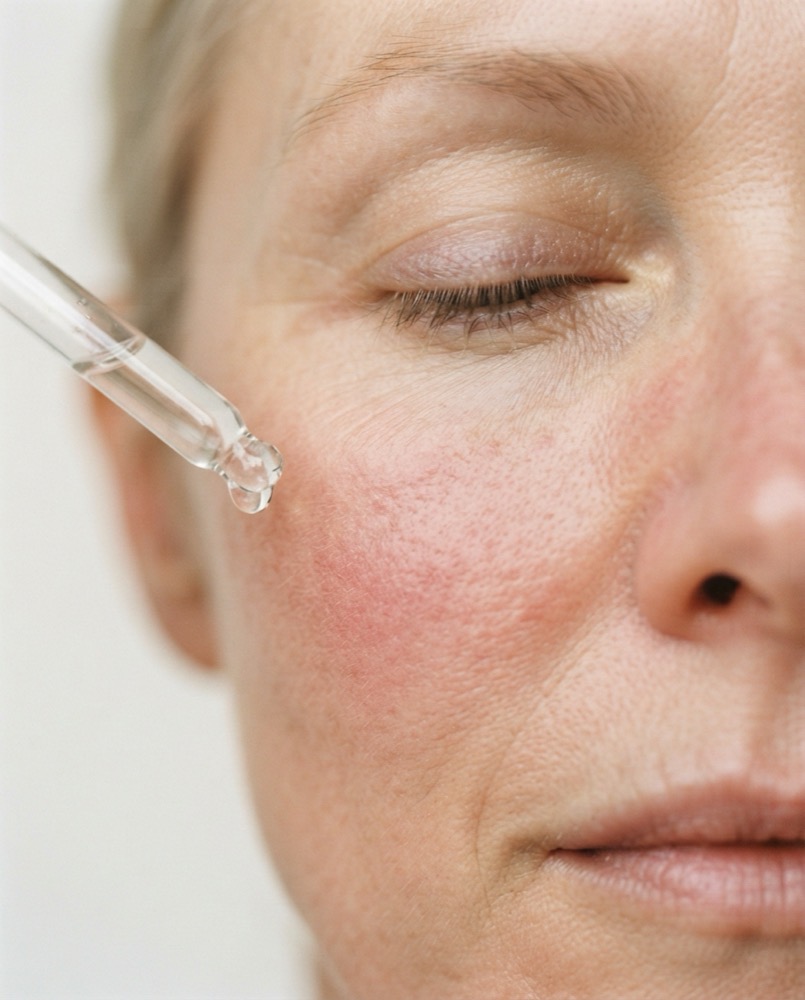
Rosacea is a chronic inflammatory skin condition that affects the central face – cheeks, nose, chin and forehead. It presents as persistent redness, visible broken capillaries, flushing that comes and goes, and in some subtypes acne-like papules and pustules.
Unlike acne, rosacea involves no comedones. It is driven by a combination of vascular hyper-reactivity, neurogenic inflammation and an overactive innate immune response, often with an impaired skin barrier alongside.
What causes rosacea?
There is no single cause. Genetic predisposition, an exaggerated immune response involving cathelicidin, overgrowth of Demodex mites, and dysfunction of the facial blood vessels all appear to contribute.
Flares are triggered by heat, sun exposure, alcohol, spicy food, hot drinks, exercise, stress, wind and cold, and by harsh skincare. Identifying and avoiding your own trigger set does as much as any product.
What ingredients are best for rosacea?
Azelaic acid and niacinamide are the standout actives – both reduce redness and inflammation without provoking the barrier. Sulphur, green tea extract, liquorice root and centella asiatica also calm reactive skin.
Build everything else around barrier repair: ceramides, glycerin, squalane and panthenol, with a gentle non-foaming cleanser and a mineral SPF every day. Avoid alcohol-heavy toners, fragrance, menthol, physical scrubs and high-strength acids. Take our Skin Quiz to build a routine your skin will tolerate.