What is hydroquinone in skincare?
Hydroquinone is a phenolic compound that suppresses melanin production by inhibiting tyrosinase, the key enzyme in the pigment pathway. It has been the dermatological reference standard for skin lightening for decades.
Its regulatory status varies widely. In the United States prescription strengths are 4%; in the European Union and several other markets it is banned from cosmetics entirely and available only through a doctor.
What skin concerns does hydroquinone treat?
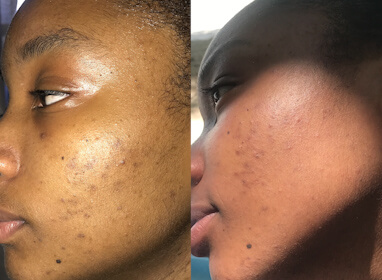
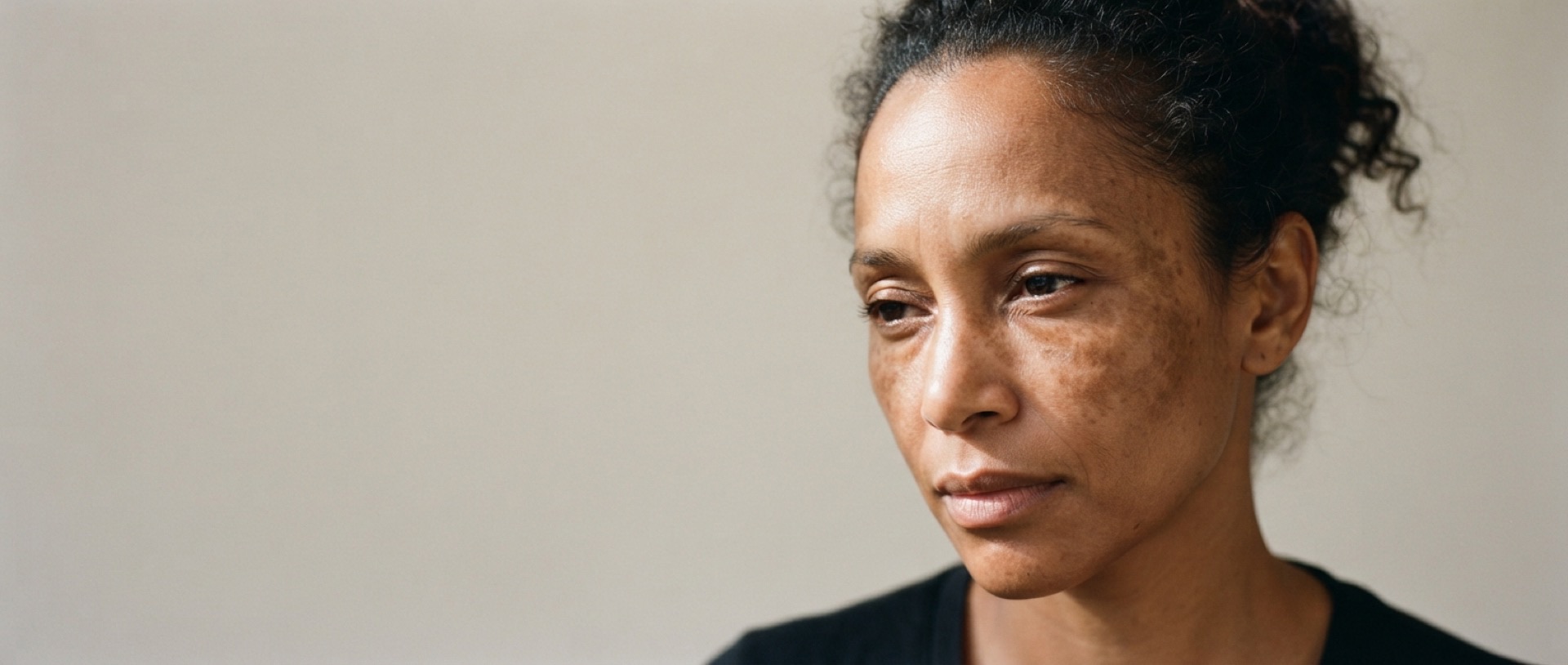
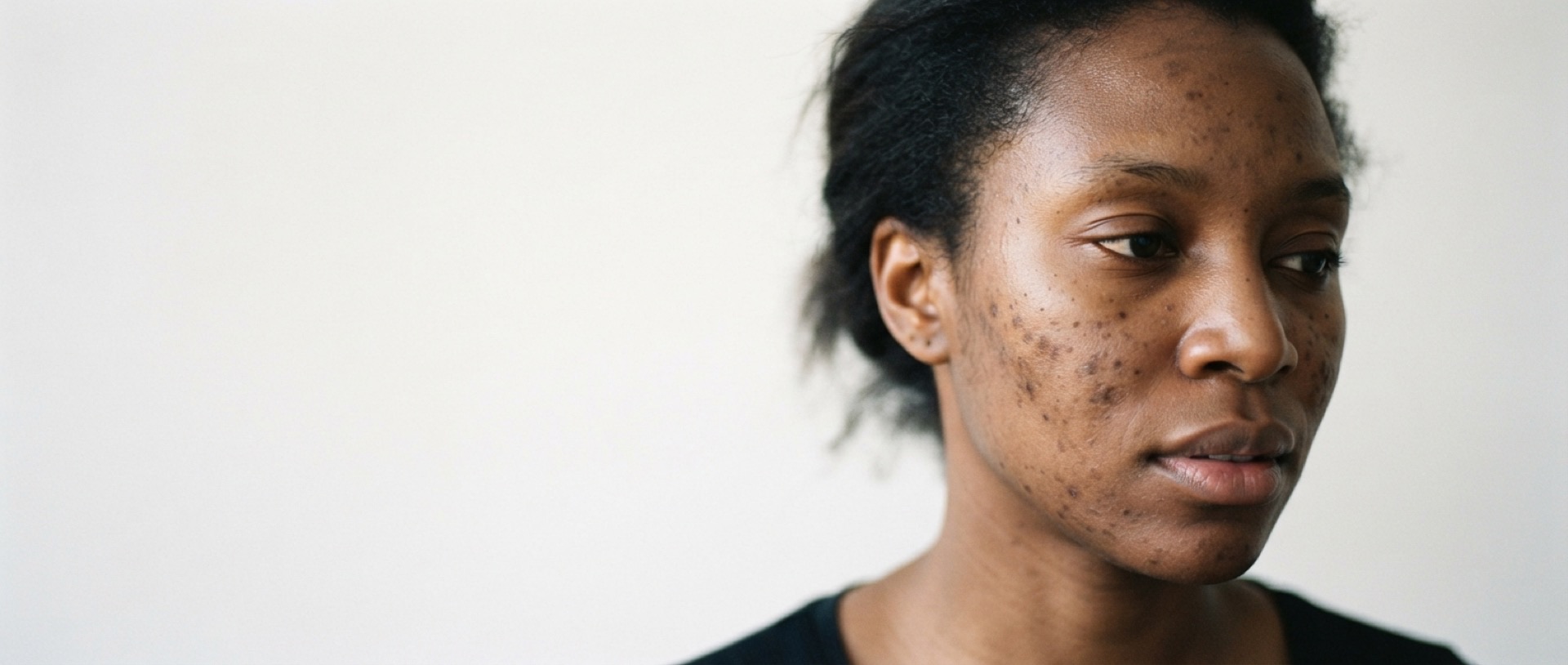
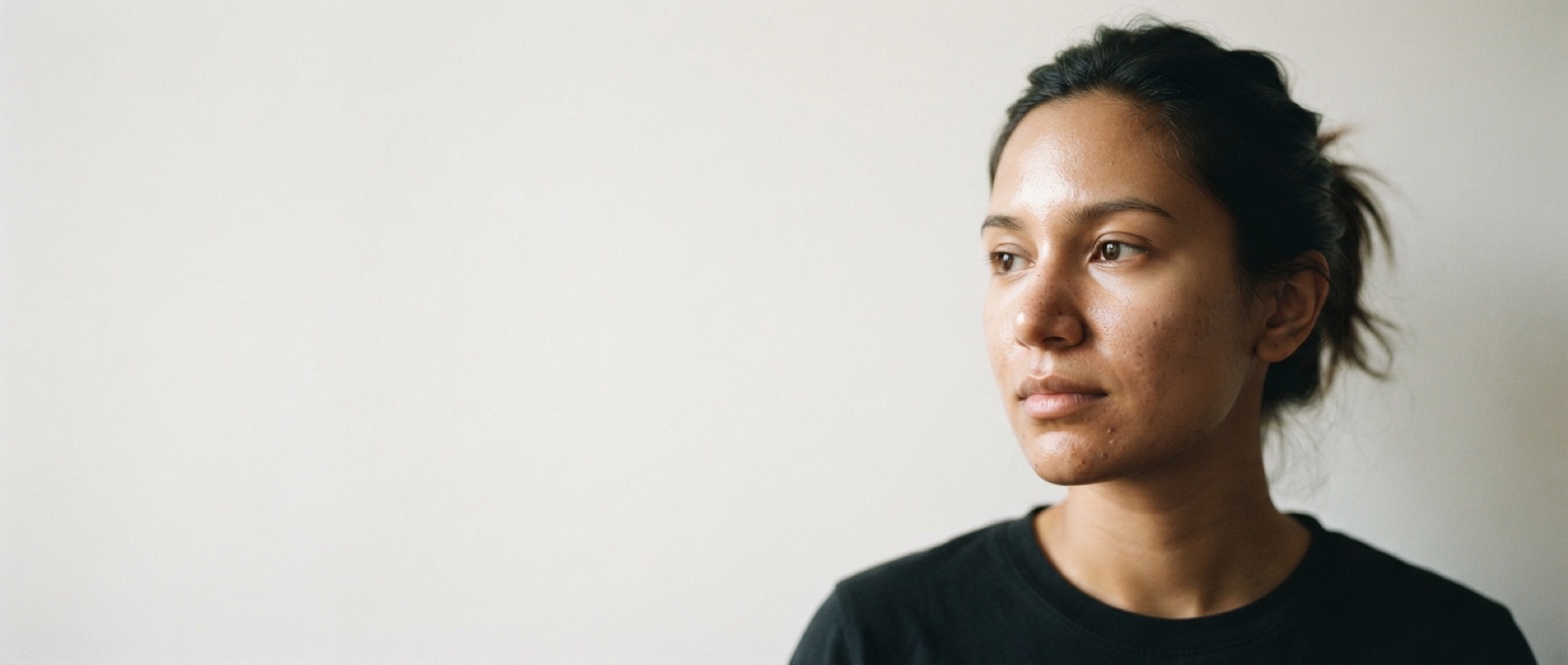
It is used for melasma, solar lentigines, post-inflammatory hyperpigmentation and other stubborn pigment that has not responded to gentler agents. Meta-analyses of topical melasma treatments consistently place it among the most effective options.
It is intended for short courses – typically three to six months. Prolonged unsupervised use carries a risk of ochronosis, a blue-black discolouration that is very difficult to reverse, which is why safety reviews stress medical supervision.
What ingredients are best paired with hydroquinone?
It is most effective in the classic triple combination with a retinoid and a mild corticosteroid, prescribed and monitored by a dermatologist. Daily broad-spectrum SPF is mandatory, or the pigment simply returns.
If hydroquinone is unavailable or unsuitable, azelaic acid, tranexamic acid, alpha arbutin, kojic acid, niacinamide and vitamin C are the evidence-backed alternatives – slower, but safe for long-term use. Take our Skin Quiz.
What are acne scars?
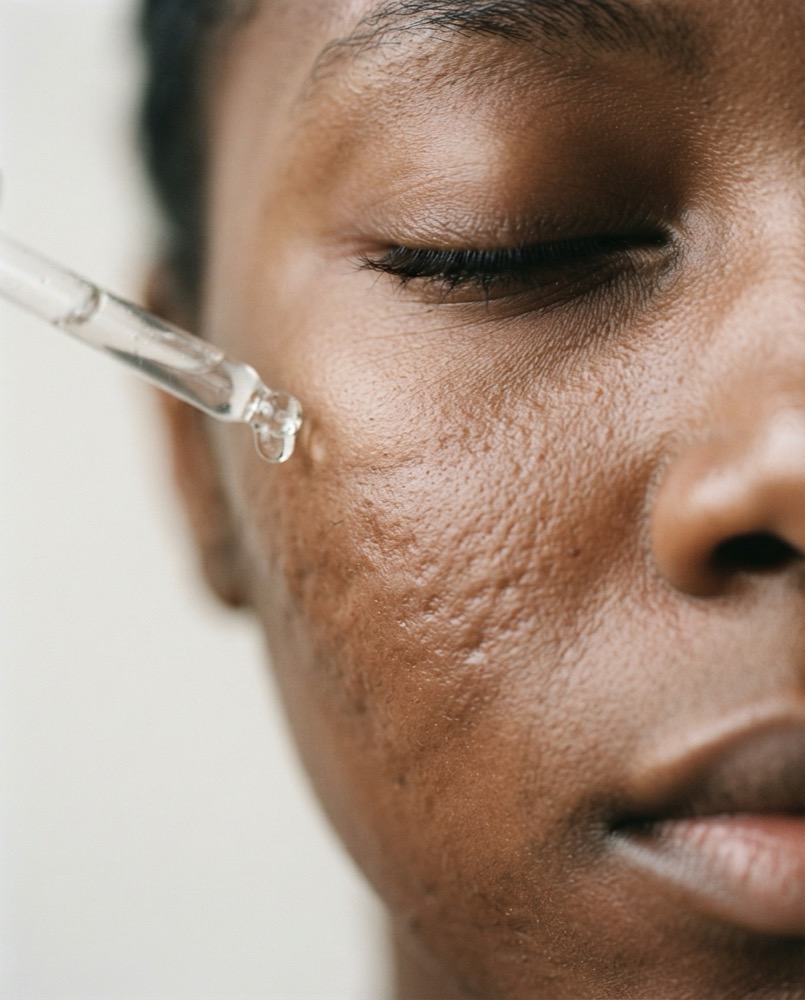
Acne scars are permanent changes in skin texture left behind after inflammatory acne damages the dermis. They fall into two families: atrophic scars, which sit below the surface as ice-pick, boxcar or rolling depressions, and hypertrophic or keloid scars, which sit raised above it.
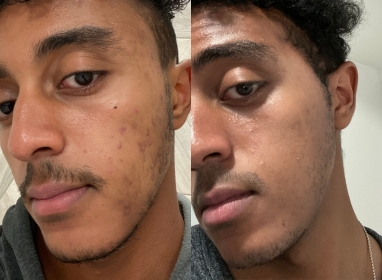
What most people call scarring is often post-inflammatory hyperpigmentation or erythema – flat brown or red marks with no texture change. Those fade on their own; true atrophic scars do not.
What causes acne scars?
Scarring happens when inflammation reaches deep enough to destroy collagen and the repair process either lays down too little (atrophic) or too much (hypertrophic). Deep nodular and cystic lesions carry the highest risk.
Delaying treatment, picking or squeezing, and prolonged inflammation all increase the odds. Genetics play a large part in who scars and how, which is why two people with identical acne can heal very differently.
What ingredients are best for acne scars?
For flat marks, ingredients that speed turnover and calm pigment work well: retinoids, vitamin C, niacinamide, azelaic acid, alpha arbutin and AHAs, with daily SPF to stop marks darkening again.
For true textural scarring, topicals can soften but not erase – retinoids and peptides help remodel collagen over months, while in-clinic options like microneedling, resurfacing and subcision do the heavy lifting. Preventing new inflammation is the highest-value step. Take our Skin Quiz.