

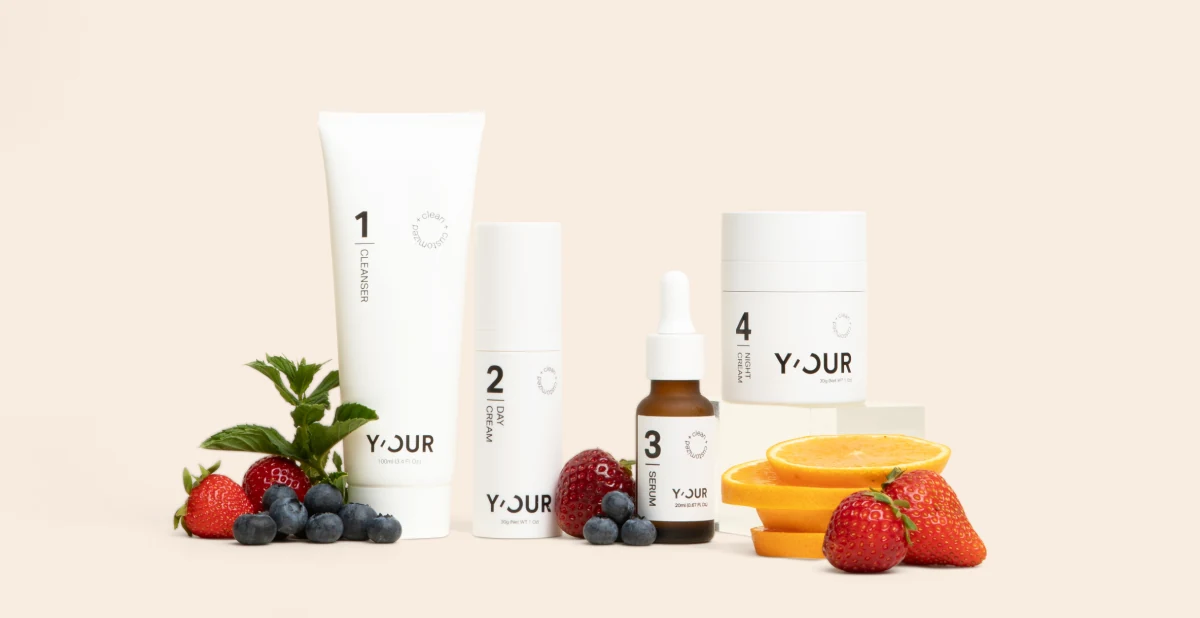
What is hydroquinone in skincare?
Hydroquinone is a phenolic compound that suppresses melanin production by inhibiting tyrosinase, the key enzyme in the pigment pathway. It has been the dermatological reference standard for skin lightening for decades.
Its regulatory status varies widely. In the United States prescription strengths are 4%; in the European Union and several other markets it is banned from cosmetics entirely and available only through a doctor.
What skin concerns does hydroquinone treat?
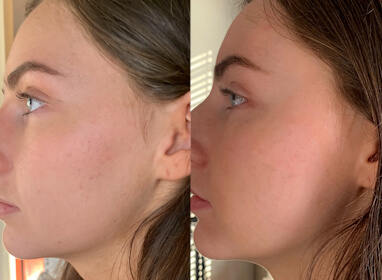
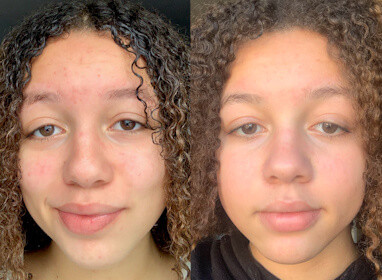
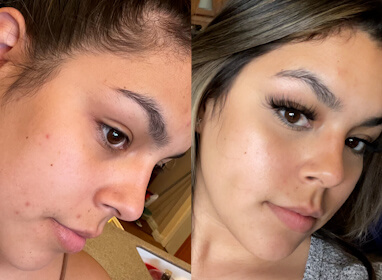
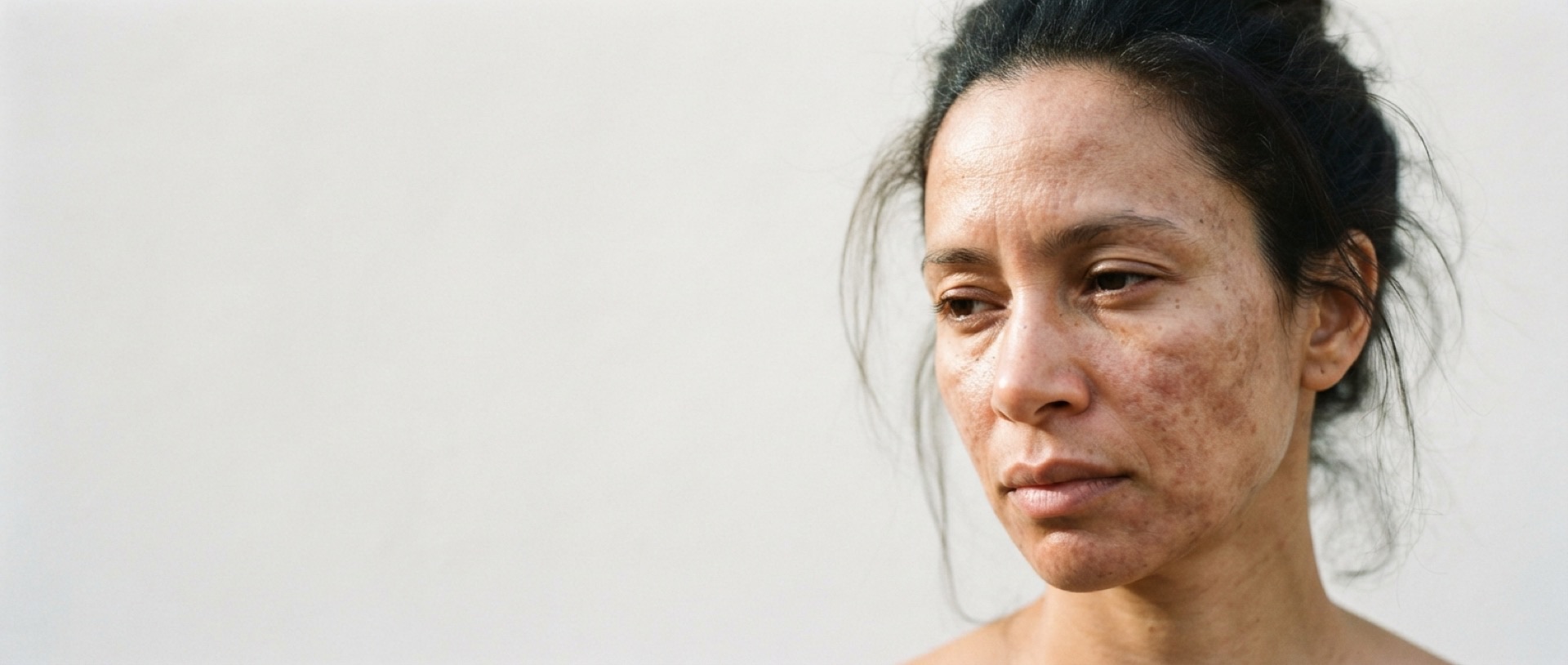
It is used for melasma, solar lentigines, post-inflammatory hyperpigmentation and other stubborn pigment that has not responded to gentler agents. Meta-analyses of topical melasma treatments consistently place it among the most effective options.
It is intended for short courses – typically three to six months. Prolonged unsupervised use carries a risk of ochronosis, a blue-black discolouration that is very difficult to reverse, which is why safety reviews stress medical supervision.
What ingredients are best paired with hydroquinone?
It is most effective in the classic triple combination with a retinoid and a mild corticosteroid, prescribed and monitored by a dermatologist. Daily broad-spectrum SPF is mandatory, or the pigment simply returns.
If hydroquinone is unavailable or unsuitable, azelaic acid, tranexamic acid, alpha arbutin, kojic acid, niacinamide and vitamin C are the evidence-backed alternatives – slower, but safe for long-term use. Take our Skin Quiz.
What is acne?
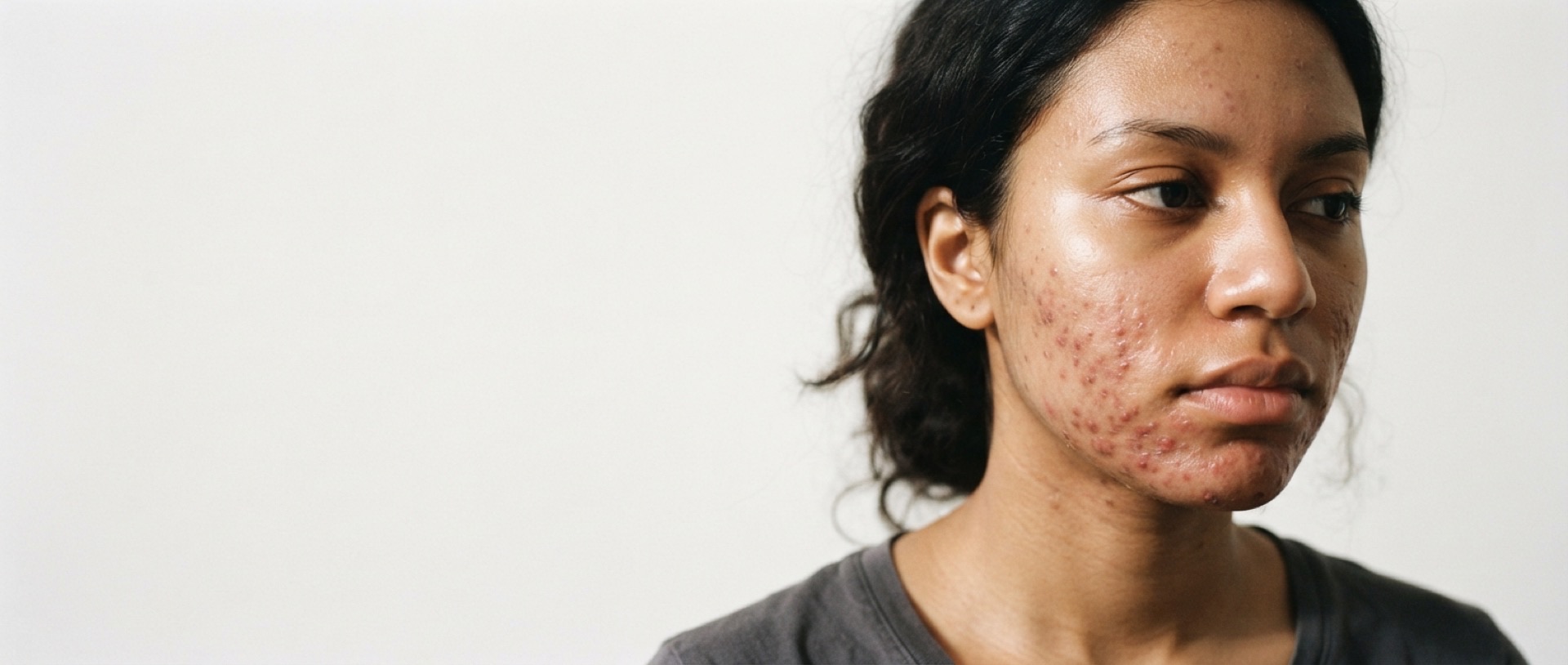
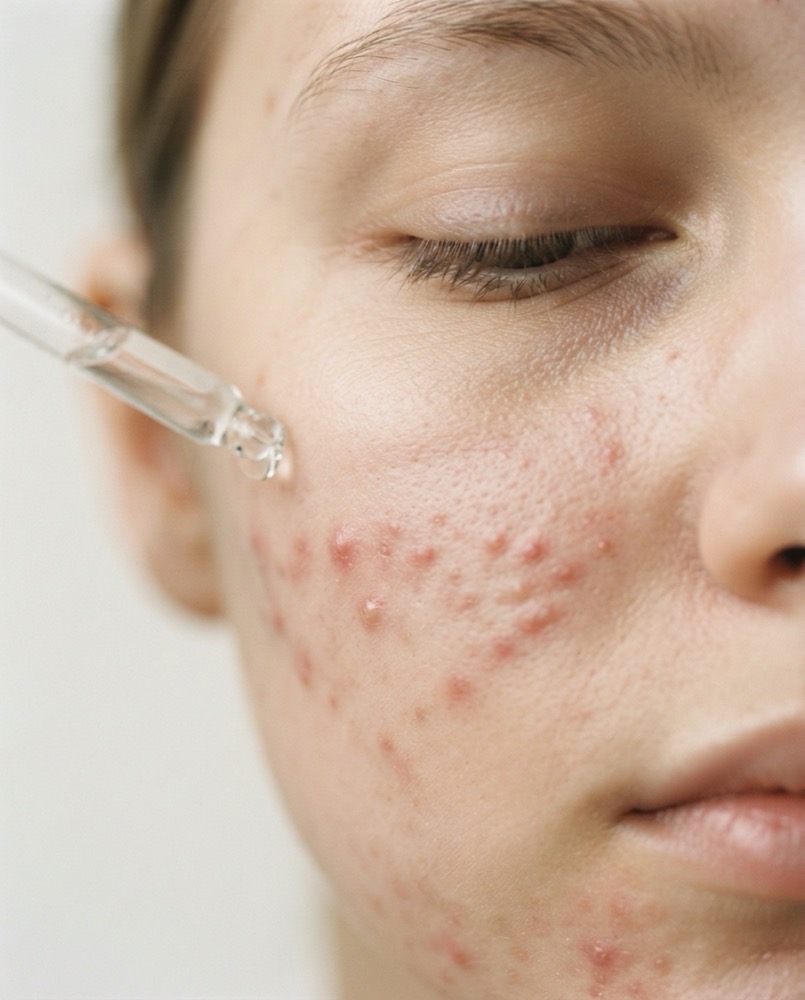
Acne vulgaris is a chronic inflammatory condition of the pilosebaceous unit – the hair follicle and its attached oil gland. It produces blackheads and whiteheads, inflamed papules and pustules, and in severe cases deep nodules and cysts.
It is the most common skin condition worldwide, and it is not a hygiene problem. Acne begins with a microcomedone forming invisibly inside the follicle, weeks before anything shows on the surface.
What causes acne?
Four mechanisms work together: excess sebum driven by androgens, abnormal shedding of cells inside the follicle, overgrowth of Cutibacterium acnes, and the inflammatory response that follows.
Genetics set the baseline. Hormonal fluctuation, stress, high-glycaemic diets, comedogenic products, friction from masks or helmets, and certain medications all push it further. Over-cleansing and picking make it visibly worse.
What ingredients are best for acne?
Salicylic acid clears inside the pore, benzoyl peroxide reduces bacterial load, and retinoids prevent the plug forming in the first place – that last one is the most valuable long-term.
Azelaic acid and niacinamide reduce inflammation and the marks left behind, and sulphur or clay help oily, congested skin. Keep the barrier intact with a gentle cleanser and a light non-comedogenic moisturiser; stripped skin produces more oil. Take our Skin Quiz.