

What is honey in skincare?
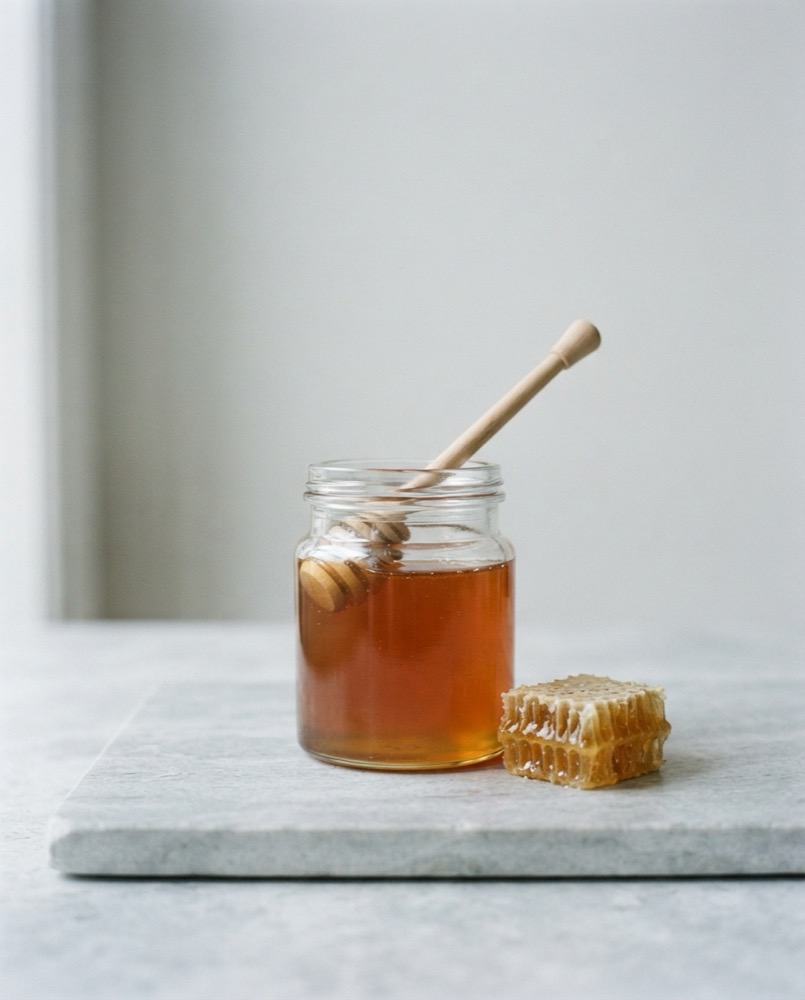
Honey is a supersaturated sugar solution made by bees from floral nectar, containing glucose, fructose, organic acids, enzymes, amino acids and polyphenols. Its low water activity and its glucose oxidase enzyme – which slowly releases hydrogen peroxide – give it genuine antibacterial activity.
Manuka honey is distinguished by methylglyoxal, a non-peroxide antibacterial compound. Medical-grade honey is sterilised and standardised, which matters if the purpose is treatment rather than comfort.
What skin concerns does honey treat?
It is a humectant, so it hydrates; an anti-inflammatory, so it calms redness; and an antibacterial, which is why it helps mild acne. Its enzymes provide very gentle exfoliation.
Its strongest evidence is in wound healing, where medical-grade honey is used clinically on burns, ulcers and slow-healing wounds. For everyday skincare it suits dry, sensitive, irritated and mildly breakout-prone skin.
What ingredients are best paired with honey?
In masks it is traditionally combined with oatmeal, yogurt or turmeric, all of which reinforce its soothing effect. In formulated products it sits well with glycerin, hyaluronic acid, aloe vera and niacinamide.
Rinse it off rather than leaving it on, since raw honey is sticky and its sugars attract dust. Avoid raw honey on broken skin – use a medical-grade product if you are treating a wound. Take our Skin Quiz.
What is dullness?
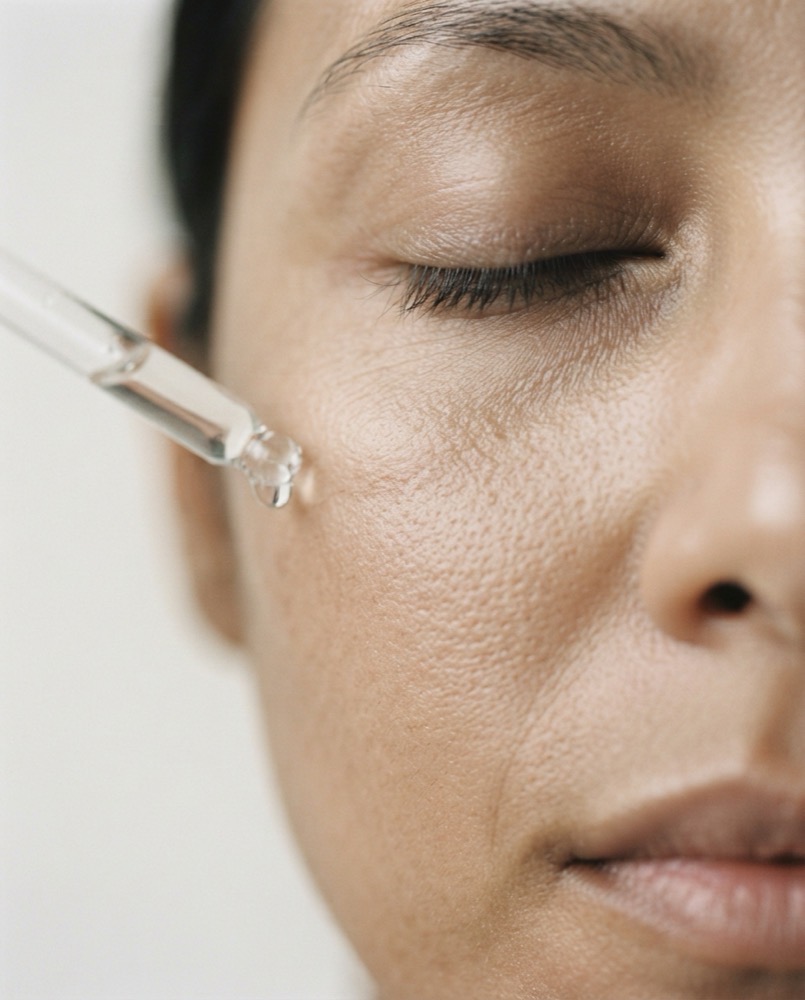
Healthy skin reflects light evenly, which is what reads as bright and glowing. Dull skin does the opposite – it looks flat, ashy, grey or sallow, and makeup tends to sit on top of it rather than blend in.
Dullness is not a condition in itself but a visible symptom: a build-up of dead cells, dehydration and reduced microcirculation that together stop light bouncing cleanly off the skin’s surface.
What causes dull skin?
Dead skin cells that do not shed naturally accumulate on the surface and scatter light unevenly. Dehydration flattens those cells so they no longer sit plump against one another, and overly dry skin can damage the follicles and slow the production of collagen and sebum – all of which make the complexion look duller or ashier.
Lifestyle and environment do the rest. Sun exposure, pollution, smoking, alcohol, broken sleep and stress all accelerate free-radical damage, while cell turnover naturally slows with age, so skin loses the reflectivity it had in your twenties.
What ingredients are best for dullness?
Brightening dull skin comes down to three things: gentle exfoliation, consistent hydration and antioxidant protection. Vitamin C, alpha-hydroxy acids such as glycolic and lactic acid, salicylic acid, retinol and vitamin A, niacinamide, green tea extract, coenzyme Q10 and rosehip oil all help resurface, even out tone and defend against free radicals.
Hyaluronic acid and hydrolysed collagen plump the skin so it reflects more light, and daily broad-spectrum sunscreen prevents the UV damage that dulls the complexion in the first place. Take our Skin Quiz to find the exact combination your skin needs.