

What is green tea in skincare?
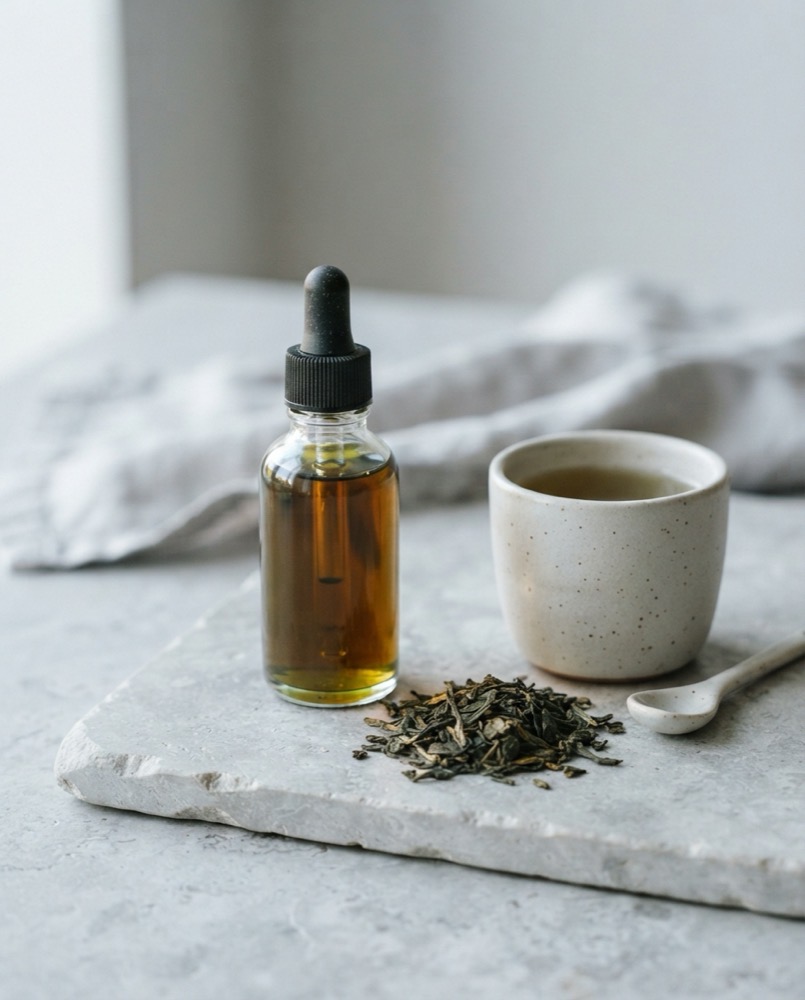
Green tea extract comes from the unfermented leaves of Camellia sinensis. Its activity is driven by polyphenols called catechins, the most abundant and most studied of which is epigallocatechin gallate, or EGCG.
On an ingredients list it appears as Camellia sinensis leaf extract. Because the catechins are potent antioxidants and anti-inflammatories, green tea has become one of the best-researched botanical actives in skincare.
What skin concerns does green tea treat?
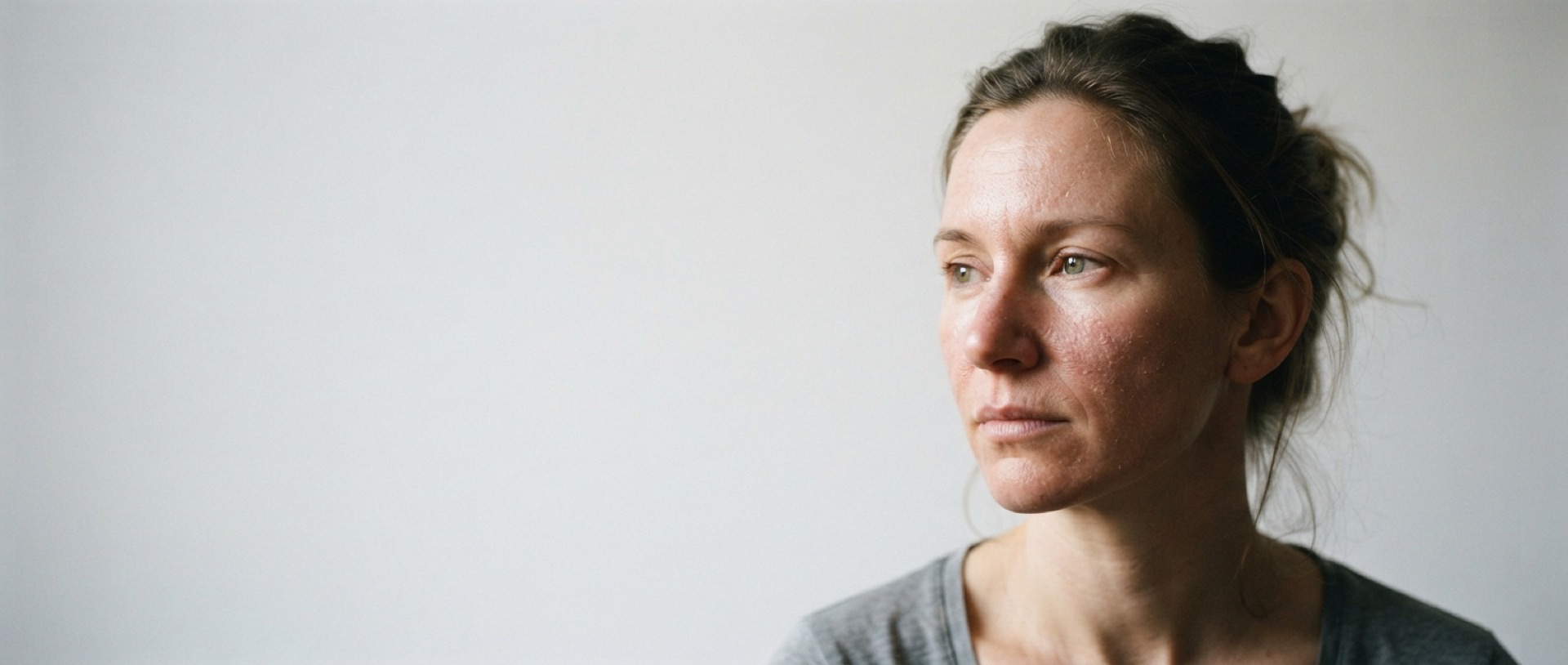
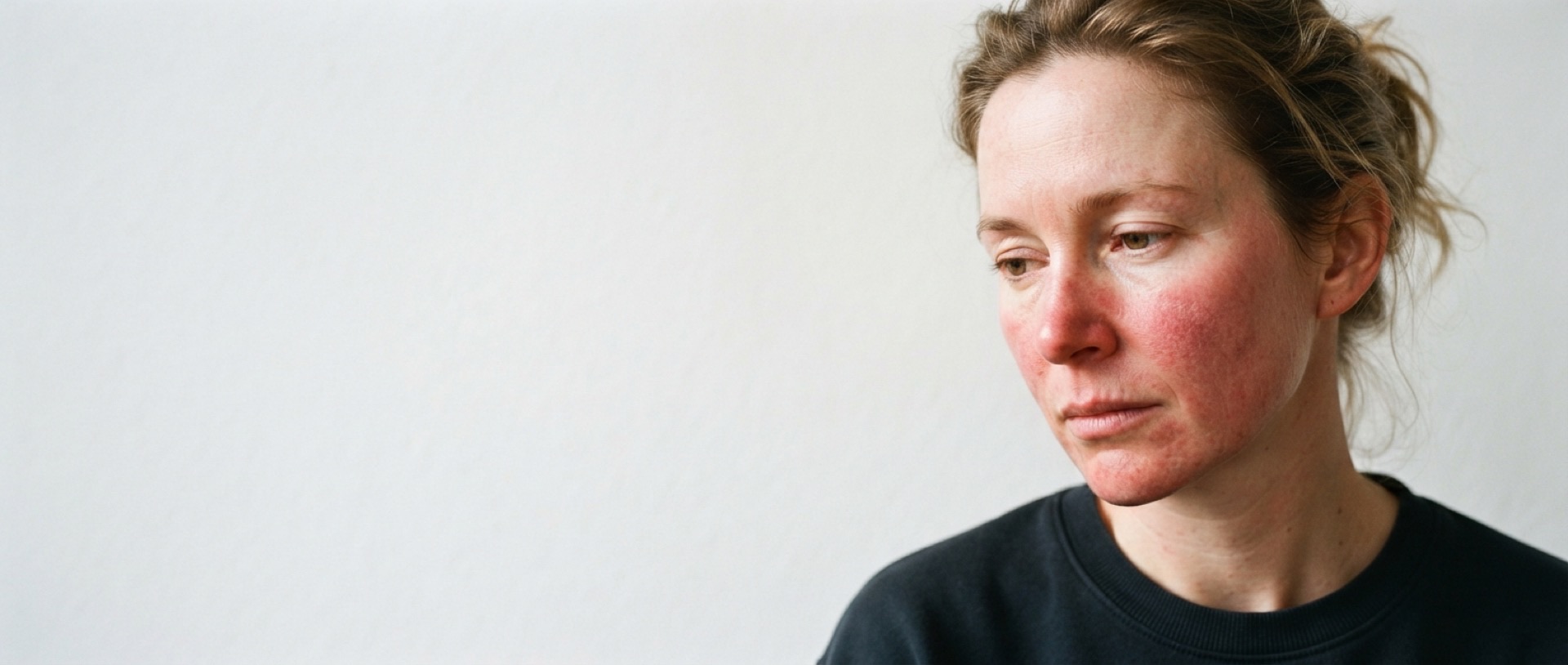
It calms redness and irritation, making it useful for rosacea-prone, sensitive and post-procedure skin. Its antibacterial and sebum-regulating effects help mild acne and oily skin.
Topical application reduces UV-induced damage and inflammation, which positions green tea as a preventative anti-ageing ingredient alongside sunscreen rather than a replacement for it. It also supports skin under the eyes where puffiness is a concern.
What ingredients are best paired with green tea?
Layer it with other antioxidants – vitamin C, vitamin E, resveratrol, ferulic acid – for broader free-radical coverage in the morning.
For acne it works well with niacinamide and salicylic acid; for sensitivity, with centella asiatica, panthenol and ceramides. It is gentle enough to combine with almost anything, and is a good way to add antioxidant protection to a routine built around retinoids. Take our Skin Quiz.
What is hormonal acne?
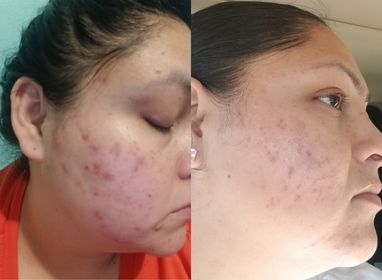
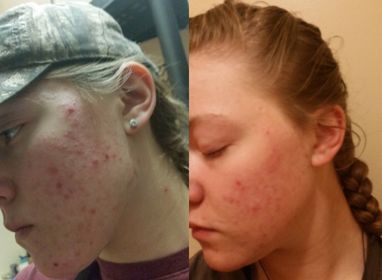
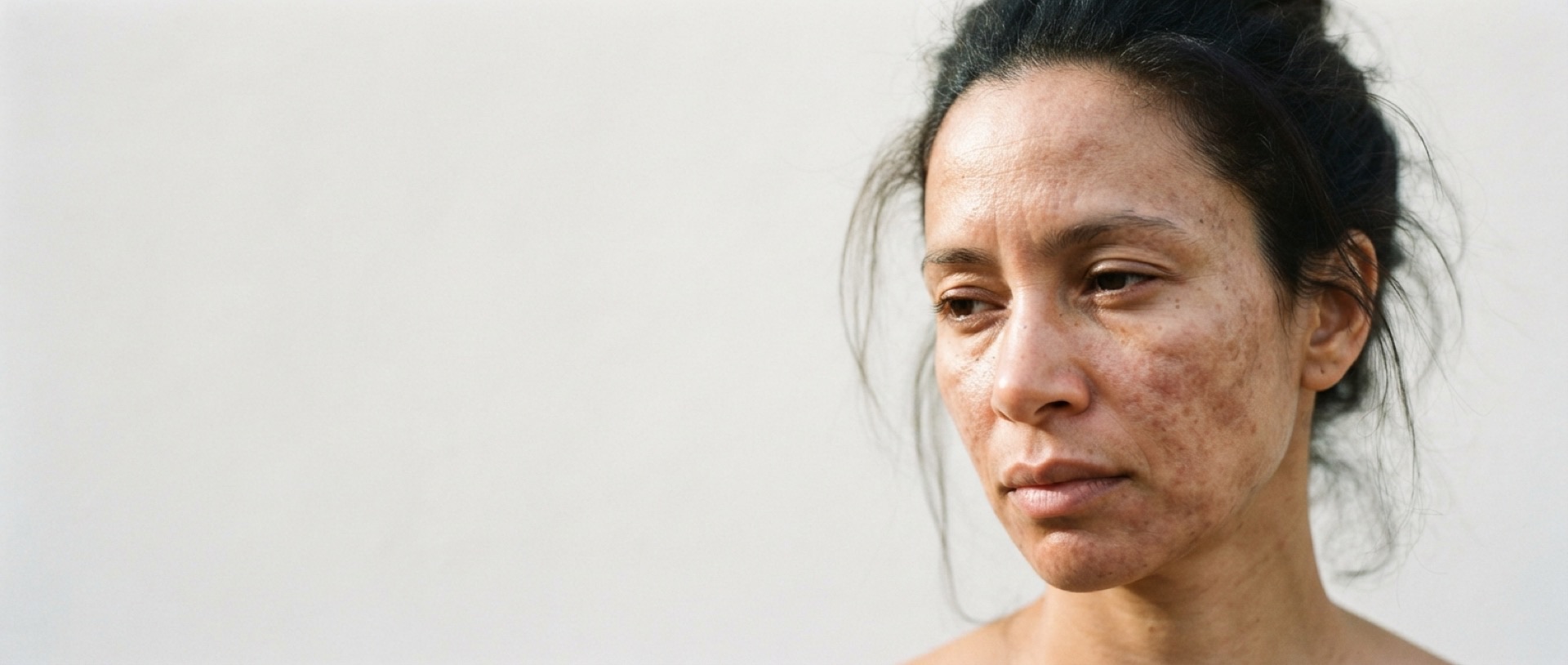
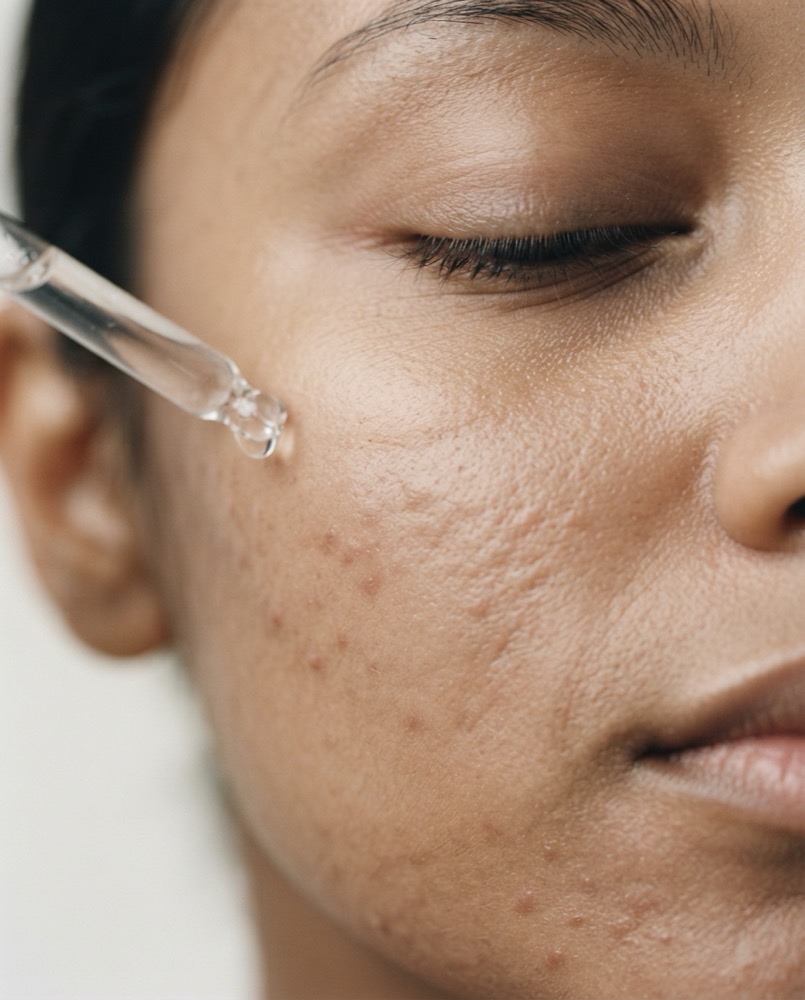
Hormonal acne is acne whose timing and pattern track with hormonal activity rather than with cleansing habits or diet alone. It typically appears along the lower face – jawline, chin and upper neck – as deep, tender papules and cysts that flare on a predictable cycle.
It is most recognisable in adult women, where breakouts often arrive in the week before menstruation and settle again afterwards.
What causes hormonal acne?
Androgens – testosterone and DHT in particular – bind to receptors on the sebaceous gland and increase sebum production. When androgen activity rises or oestrogen falls, oil output climbs and follicles clog more readily.
Menstrual cycles, starting or stopping contraception, pregnancy, perimenopause and PCOS are the usual contexts. Stress raises cortisol, which amplifies the same pathway. Persistent hormonal acne with irregular cycles or excess hair growth is worth investigating medically.
What ingredients are best for hormonal acne?
Retinoids are the most effective topical, because they stop the plug forming regardless of how much oil is being produced. Azelaic acid reduces inflammation and the marks that follow, and niacinamide helps regulate sebum.
Salicylic acid keeps pores clear between flares, and benzoyl peroxide targets bacteria in inflamed lesions. Because hormonal acne is driven from the inside, topicals manage rather than cure it – consistency across the whole cycle beats spot-treating during a flare. Take our Skin Quiz.