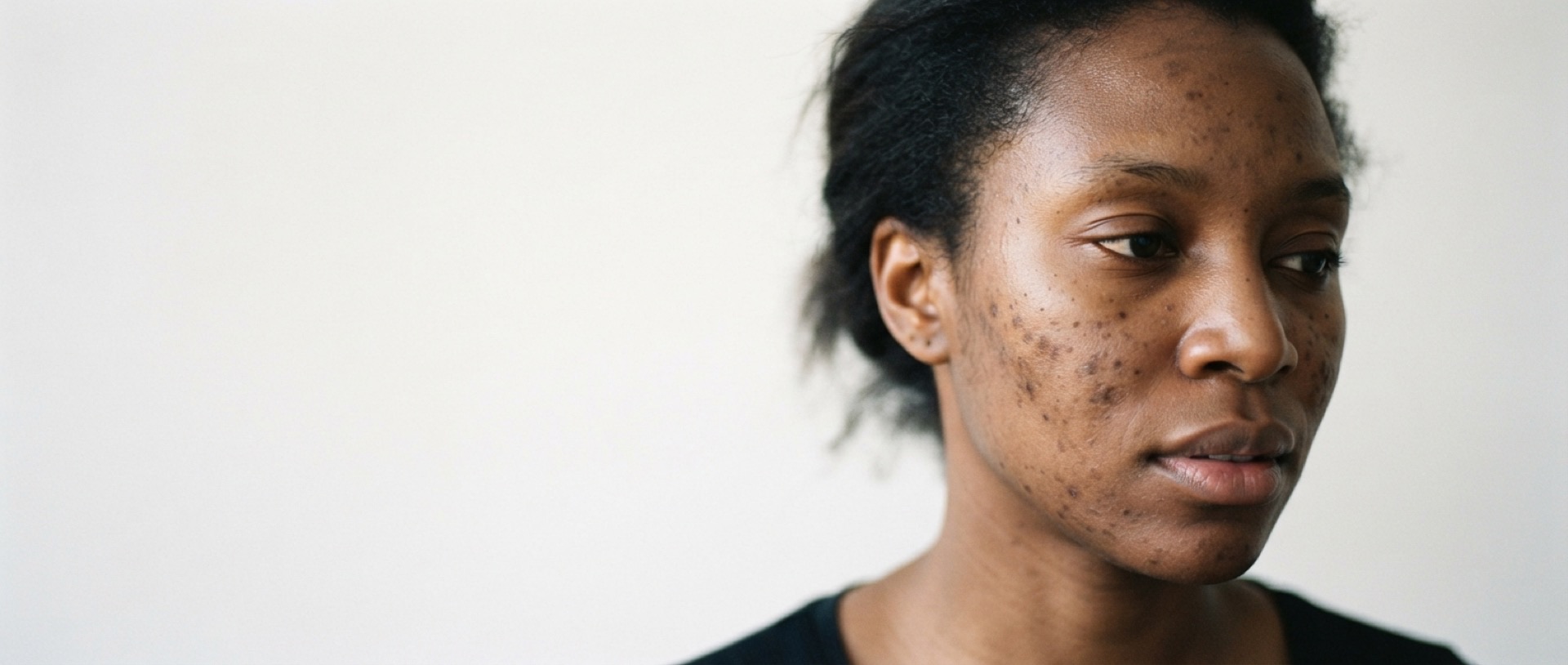
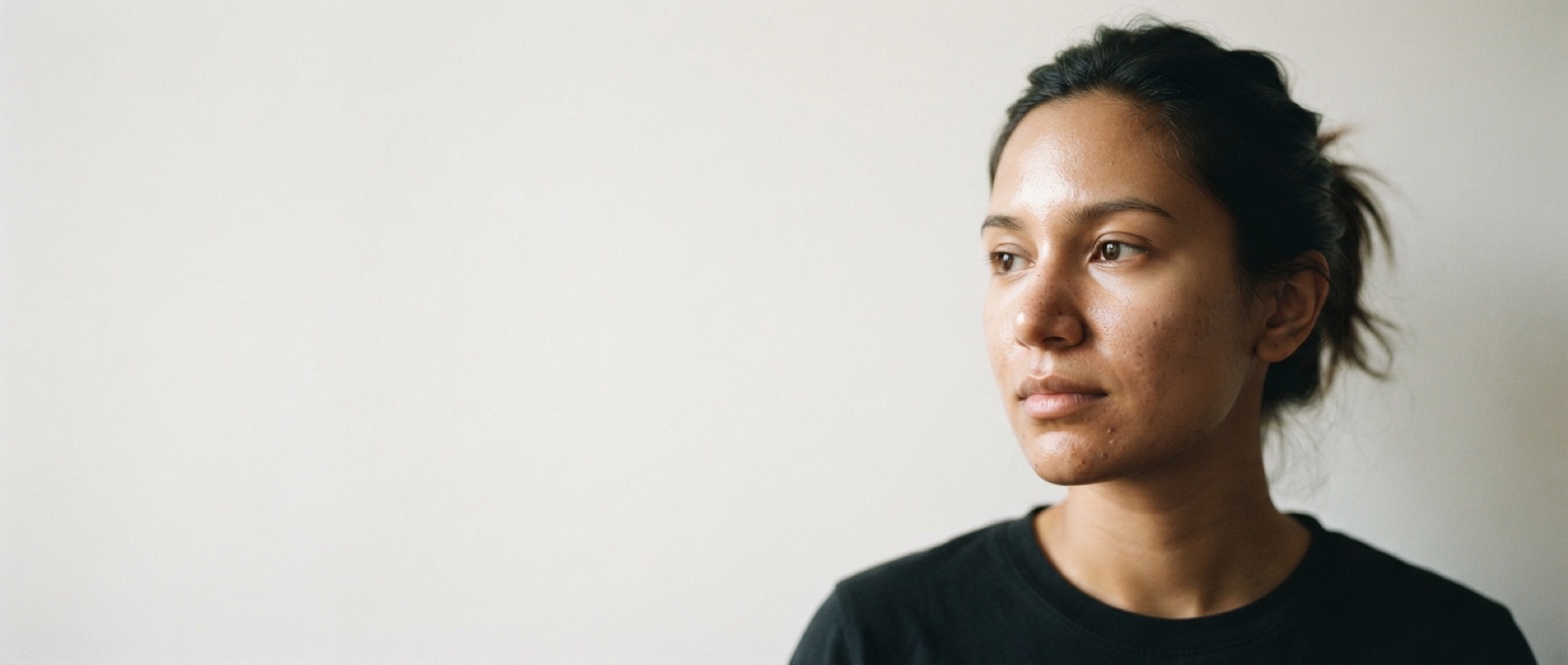
What is green tea in skincare?
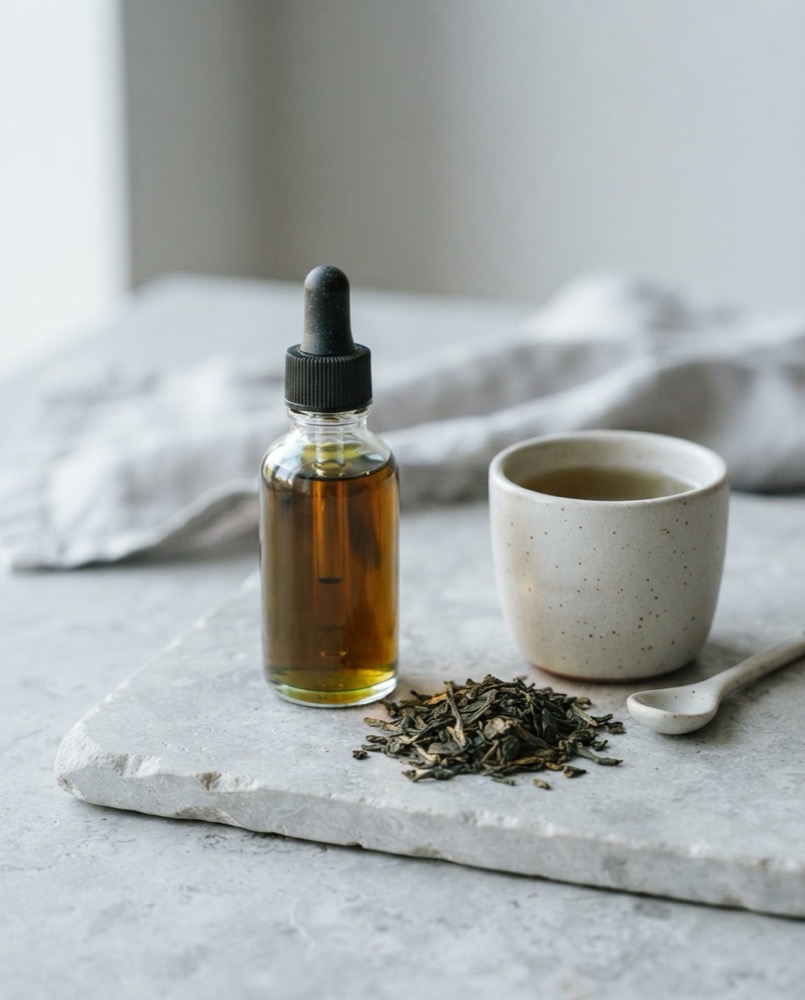
Green tea extract comes from the unfermented leaves of Camellia sinensis. Its activity is driven by polyphenols called catechins, the most abundant and most studied of which is epigallocatechin gallate, or EGCG.
On an ingredients list it appears as Camellia sinensis leaf extract. Because the catechins are potent antioxidants and anti-inflammatories, green tea has become one of the best-researched botanical actives in skincare.
What skin concerns does green tea treat?
It calms redness and irritation, making it useful for rosacea-prone, sensitive and post-procedure skin. Its antibacterial and sebum-regulating effects help mild acne and oily skin.
Topical application reduces UV-induced damage and inflammation, which positions green tea as a preventative anti-ageing ingredient alongside sunscreen rather than a replacement for it. It also supports skin under the eyes where puffiness is a concern.
What ingredients are best paired with green tea?
Layer it with other antioxidants – vitamin C, vitamin E, resveratrol, ferulic acid – for broader free-radical coverage in the morning.
For acne it works well with niacinamide and salicylic acid; for sensitivity, with centella asiatica, panthenol and ceramides. It is gentle enough to combine with almost anything, and is a good way to add antioxidant protection to a routine built around retinoids. Take our Skin Quiz.
What are acne scars?
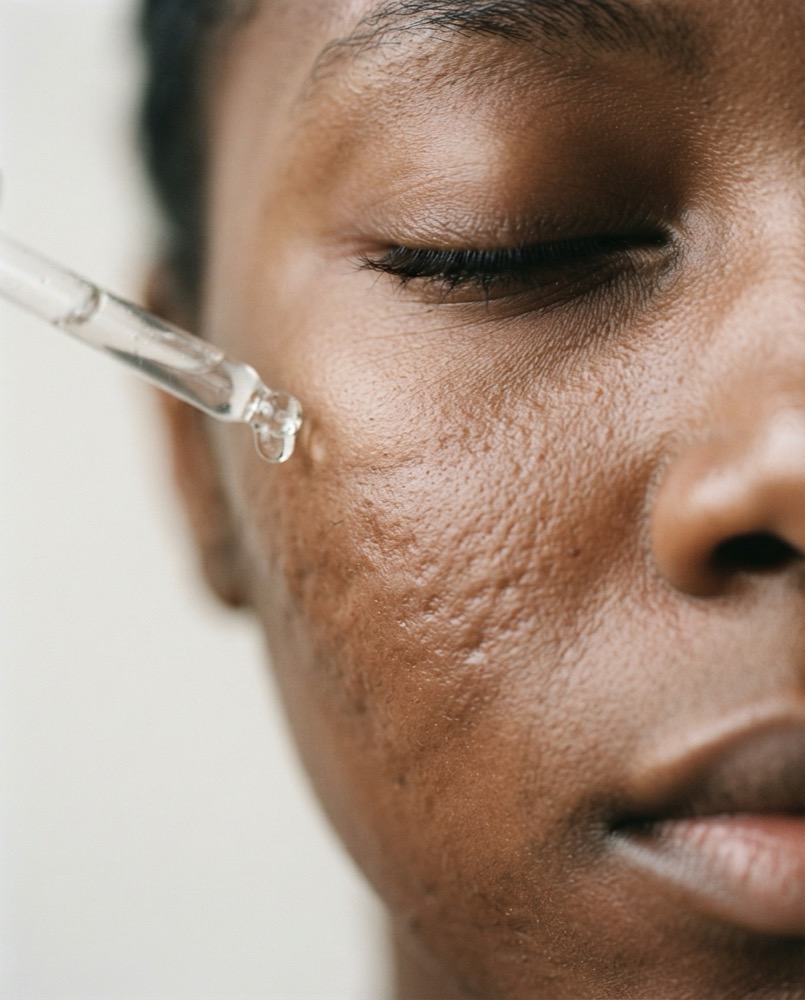
Acne scars are permanent changes in skin texture left behind after inflammatory acne damages the dermis. They fall into two families: atrophic scars, which sit below the surface as ice-pick, boxcar or rolling depressions, and hypertrophic or keloid scars, which sit raised above it.
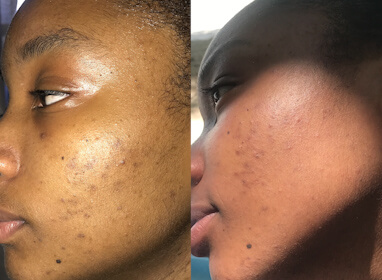
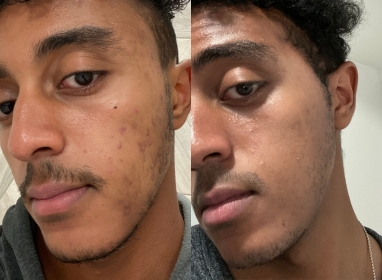
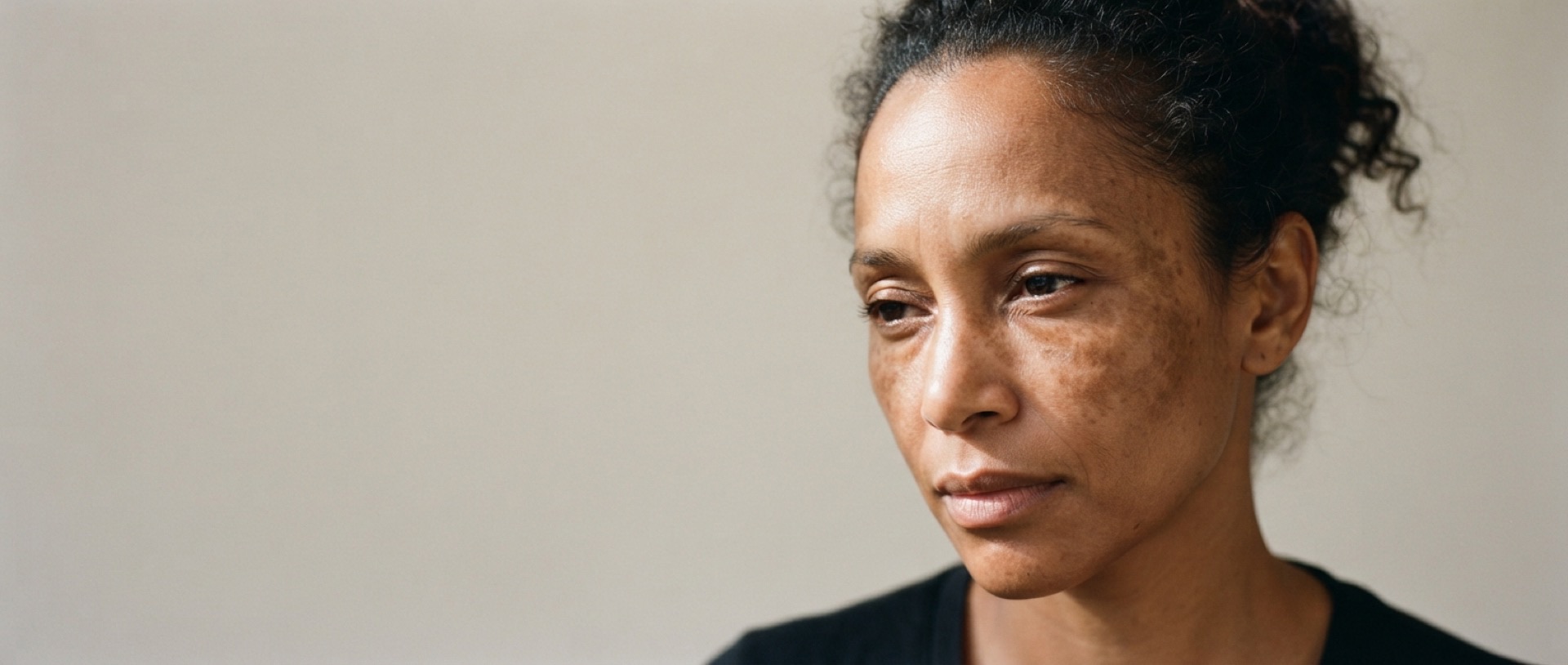
What most people call scarring is often post-inflammatory hyperpigmentation or erythema – flat brown or red marks with no texture change. Those fade on their own; true atrophic scars do not.
What causes acne scars?
Scarring happens when inflammation reaches deep enough to destroy collagen and the repair process either lays down too little (atrophic) or too much (hypertrophic). Deep nodular and cystic lesions carry the highest risk.
Delaying treatment, picking or squeezing, and prolonged inflammation all increase the odds. Genetics play a large part in who scars and how, which is why two people with identical acne can heal very differently.
What ingredients are best for acne scars?
For flat marks, ingredients that speed turnover and calm pigment work well: retinoids, vitamin C, niacinamide, azelaic acid, alpha arbutin and AHAs, with daily SPF to stop marks darkening again.
For true textural scarring, topicals can soften but not erase – retinoids and peptides help remodel collagen over months, while in-clinic options like microneedling, resurfacing and subcision do the heavy lifting. Preventing new inflammation is the highest-value step. Take our Skin Quiz.