

What is glycolic acid in skincare?
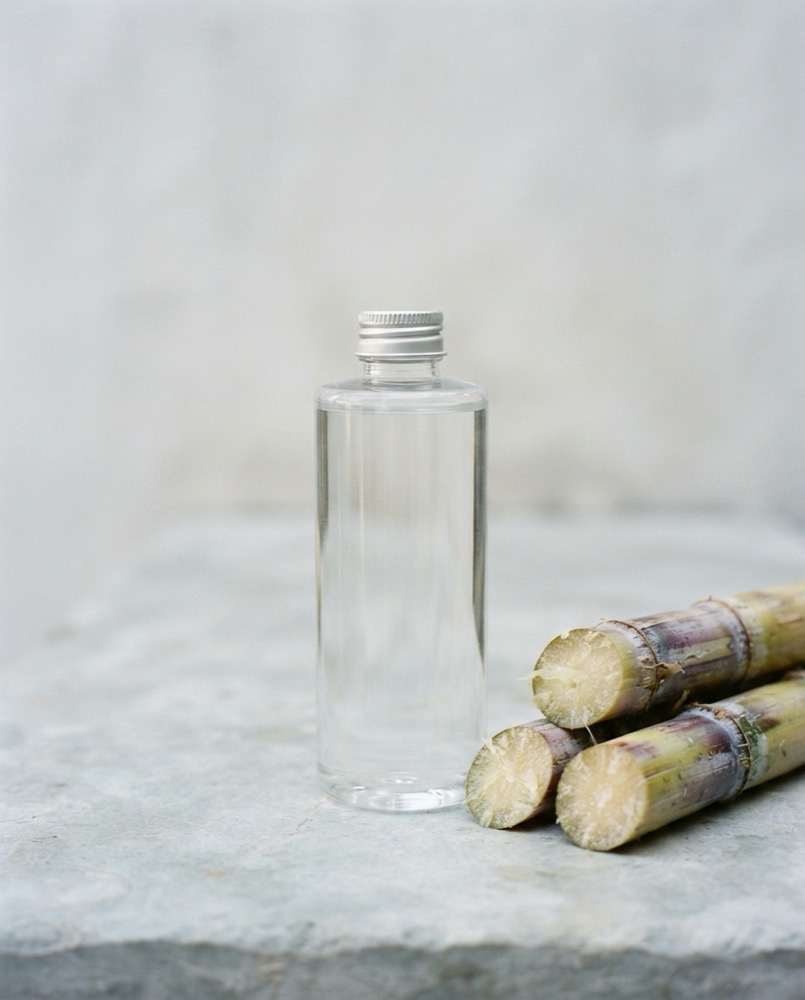
Glycolic acid is an alpha-hydroxy acid derived from sugar cane. It has the smallest molecular size of the AHA family, which lets it penetrate the stratum corneum more readily than lactic or mandelic acid – and makes it both the most effective and the most likely to sting.
It works by dissolving the bonds holding dead cells to the surface, so they shed evenly instead of accumulating. Cosmetic strengths run from around 5% to 10%, with professional peels going considerably higher.
What skin concerns does glycolic acid treat?
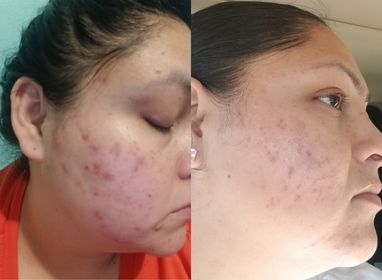
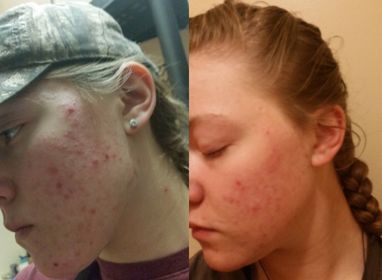
It is one of the best-evidenced ingredients for dullness, rough texture and uneven tone, and it visibly brightens within a few uses. Over longer periods it fades sun spots and post-acne marks, softens fine lines and helps clear congestion.
Regular use also stimulates collagen production and thickens the deeper epidermis, so the benefit is structural as well as surface-level.
What ingredients are best paired with glycolic acid?
Follow it with hyaluronic acid, ceramides, glycerin and panthenol to replace what exfoliation costs the barrier. Niacinamide is a good companion for tone, and vitamin C works well on alternate days.
Do not stack it with retinoids, BHAs or benzoyl peroxide in the same step unless your skin is well conditioned, and start at twice a week. Glycolic acid increases sun sensitivity, so daily SPF is essential. Take our Skin Quiz.
What is hormonal acne?
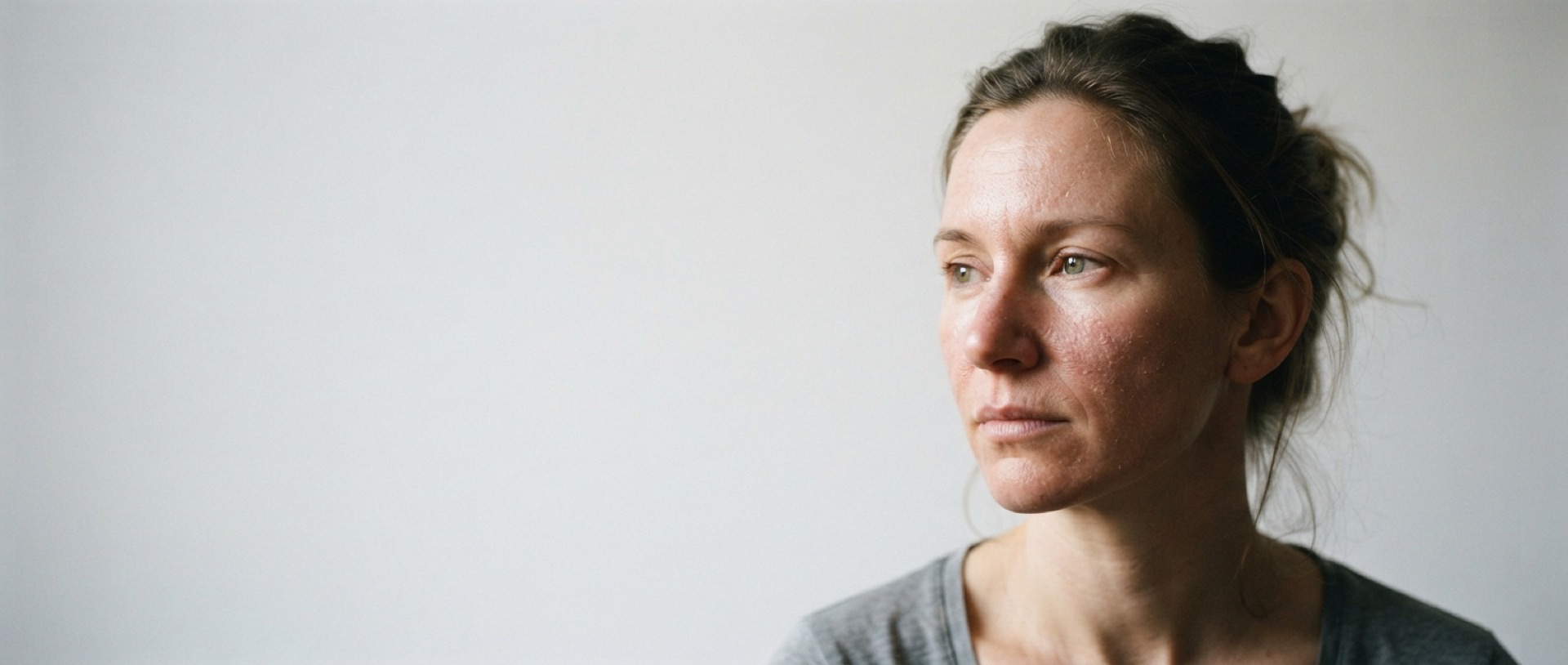
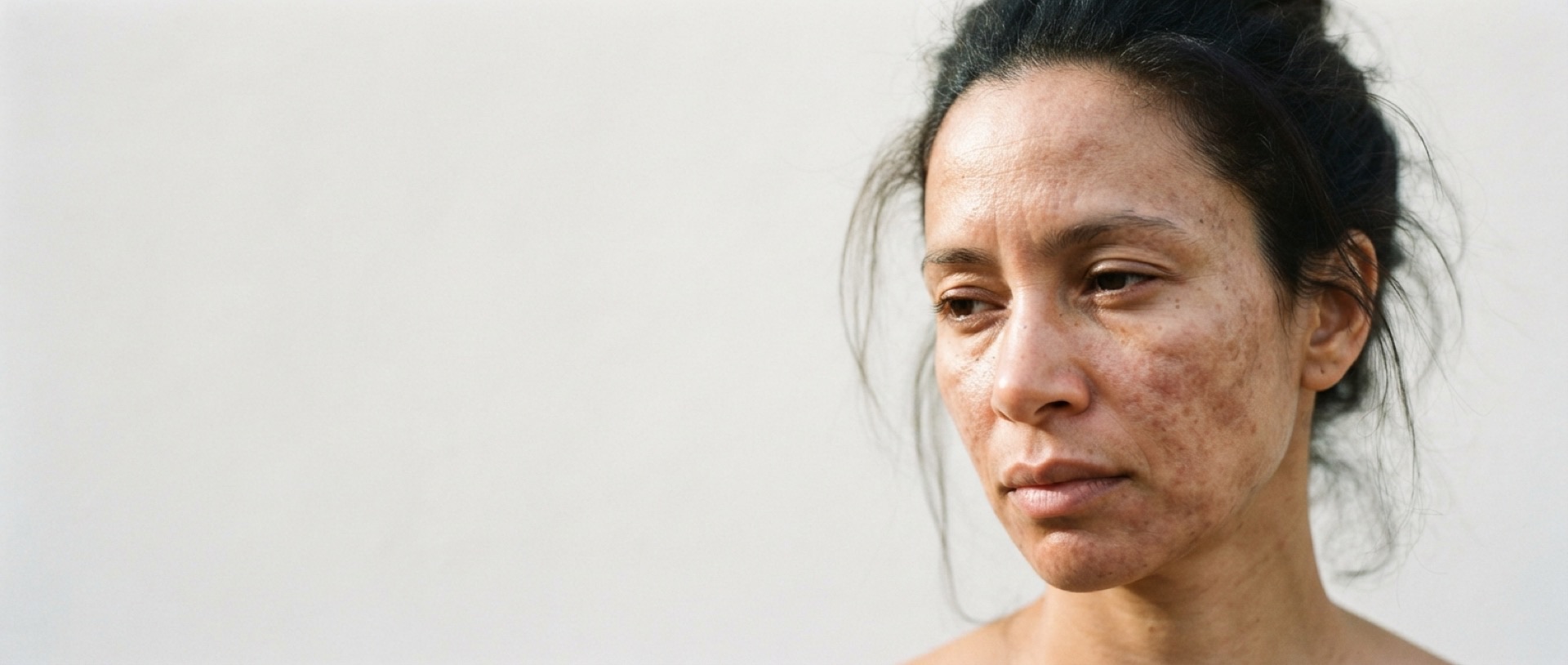
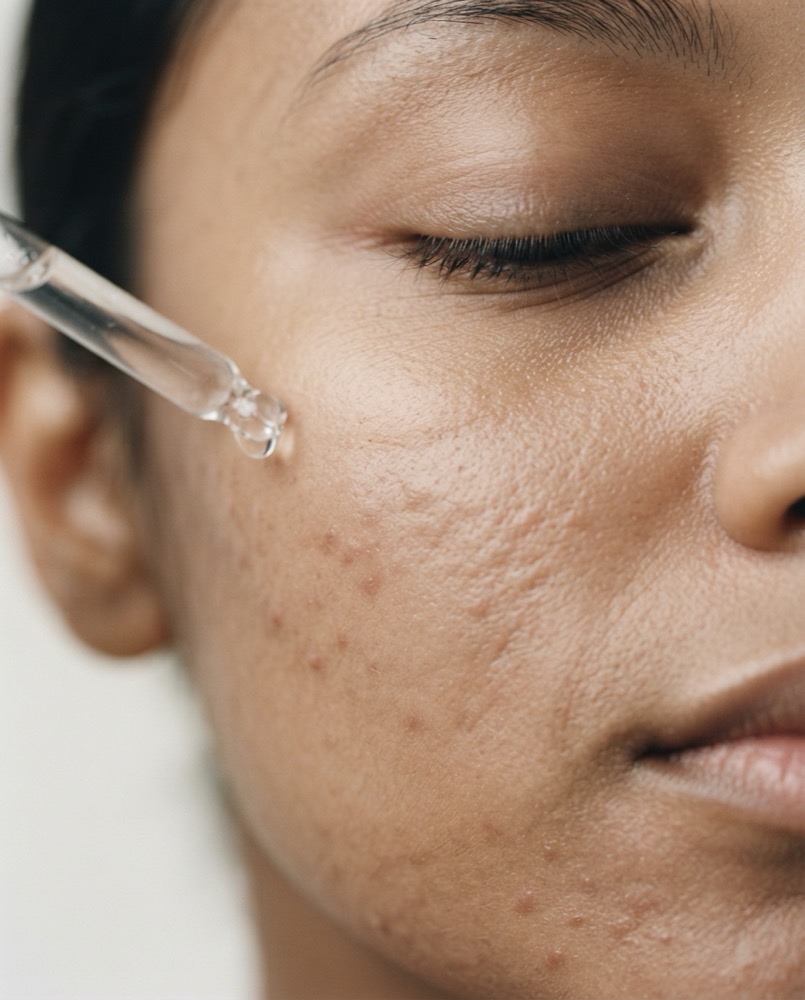
Hormonal acne is acne whose timing and pattern track with hormonal activity rather than with cleansing habits or diet alone. It typically appears along the lower face – jawline, chin and upper neck – as deep, tender papules and cysts that flare on a predictable cycle.
It is most recognisable in adult women, where breakouts often arrive in the week before menstruation and settle again afterwards.
What causes hormonal acne?
Androgens – testosterone and DHT in particular – bind to receptors on the sebaceous gland and increase sebum production. When androgen activity rises or oestrogen falls, oil output climbs and follicles clog more readily.
Menstrual cycles, starting or stopping contraception, pregnancy, perimenopause and PCOS are the usual contexts. Stress raises cortisol, which amplifies the same pathway. Persistent hormonal acne with irregular cycles or excess hair growth is worth investigating medically.
What ingredients are best for hormonal acne?
Retinoids are the most effective topical, because they stop the plug forming regardless of how much oil is being produced. Azelaic acid reduces inflammation and the marks that follow, and niacinamide helps regulate sebum.
Salicylic acid keeps pores clear between flares, and benzoyl peroxide targets bacteria in inflamed lesions. Because hormonal acne is driven from the inside, topicals manage rather than cure it – consistency across the whole cycle beats spot-treating during a flare. Take our Skin Quiz.