

What is elastin in skincare?
Elastin is the dermal protein that lets skin stretch and snap back. It makes up a small fraction of dermal protein compared with collagen, but it does all the recoil – collagen provides strength, elastin provides spring.
The body essentially stops producing meaningful new elastin after adolescence, and existing fibres are progressively broken down by UV exposure in the process known as solar elastosis. That is why lost elasticity is harder to reverse than lost collagen.
What skin concerns does elastin treat?
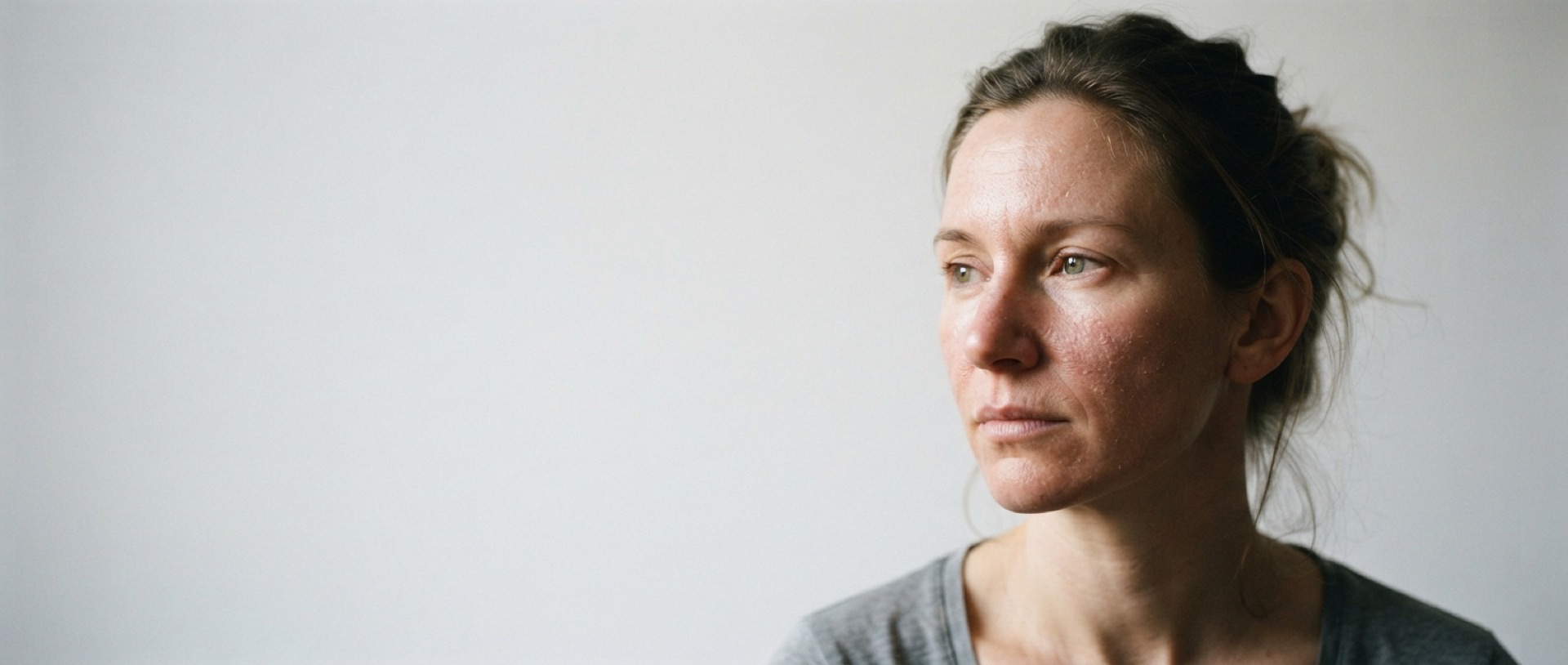
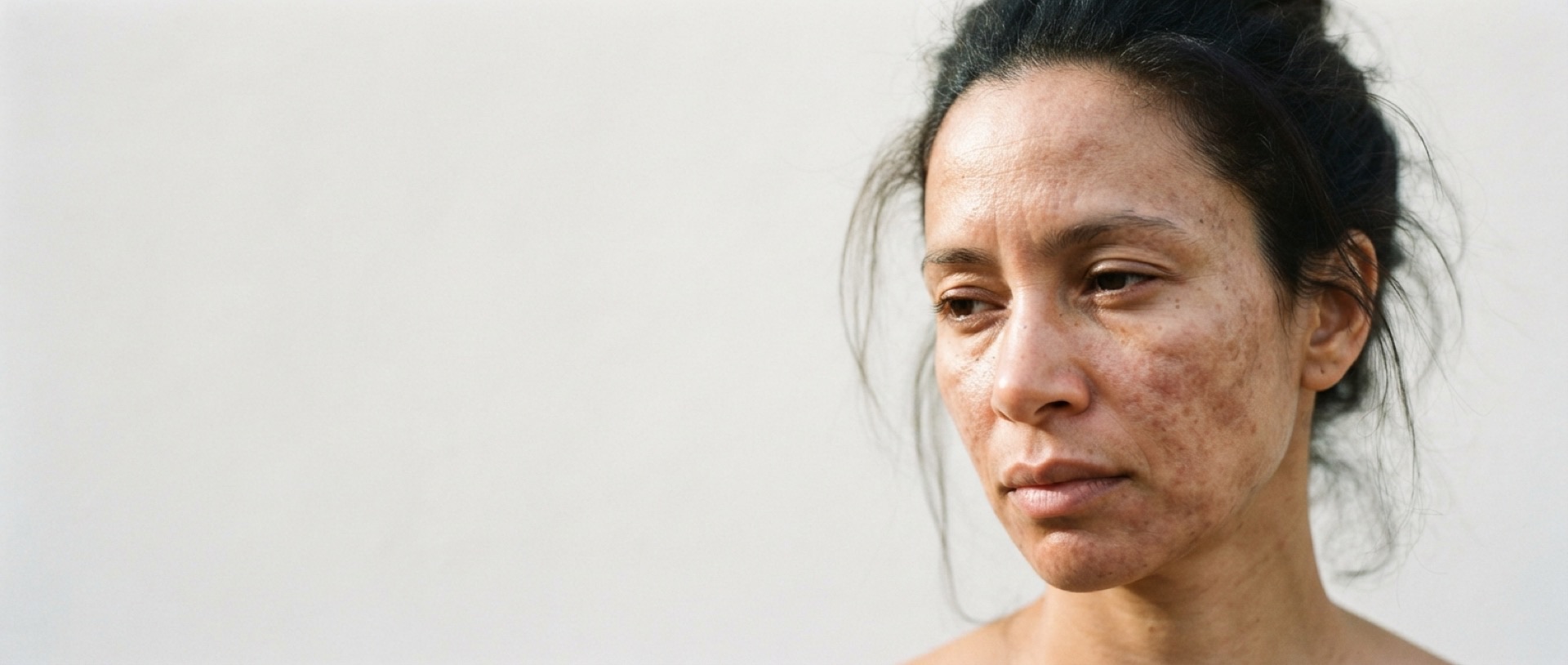
Loss of elastin shows up as sagging, crepiness, skin that stays tented when pinched, and the loose texture around the jaw, neck and under-eyes.
Topical elastin cannot replace what has degraded – the molecule is far too large to reach the dermis – so in creams it acts as a humectant and film-former that smooths the surface. Oral elastin peptides have more support: a randomised placebo-controlled trial of fish-derived elastin peptide found improvements in biophysical properties of ageing skin.
What ingredients are best paired with elastin?
The practical route to elasticity is protecting and stimulating your own fibres. Retinoids and peptides signal fibroblasts to rebuild, vitamin C protects existing fibres from enzymatic breakdown, and daily broad-spectrum SPF prevents further elastosis.
Alongside those, hyaluronic acid, ceramides and squalane keep the skin hydrated and supple, which improves how elastic it looks day to day. Take our Skin Quiz.
What is hormonal acne?
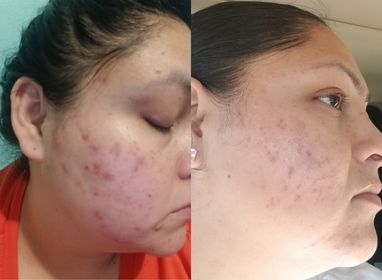
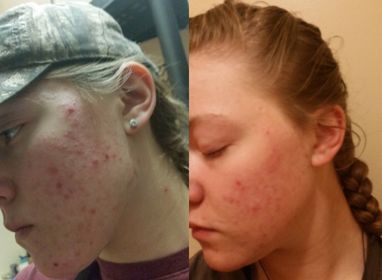
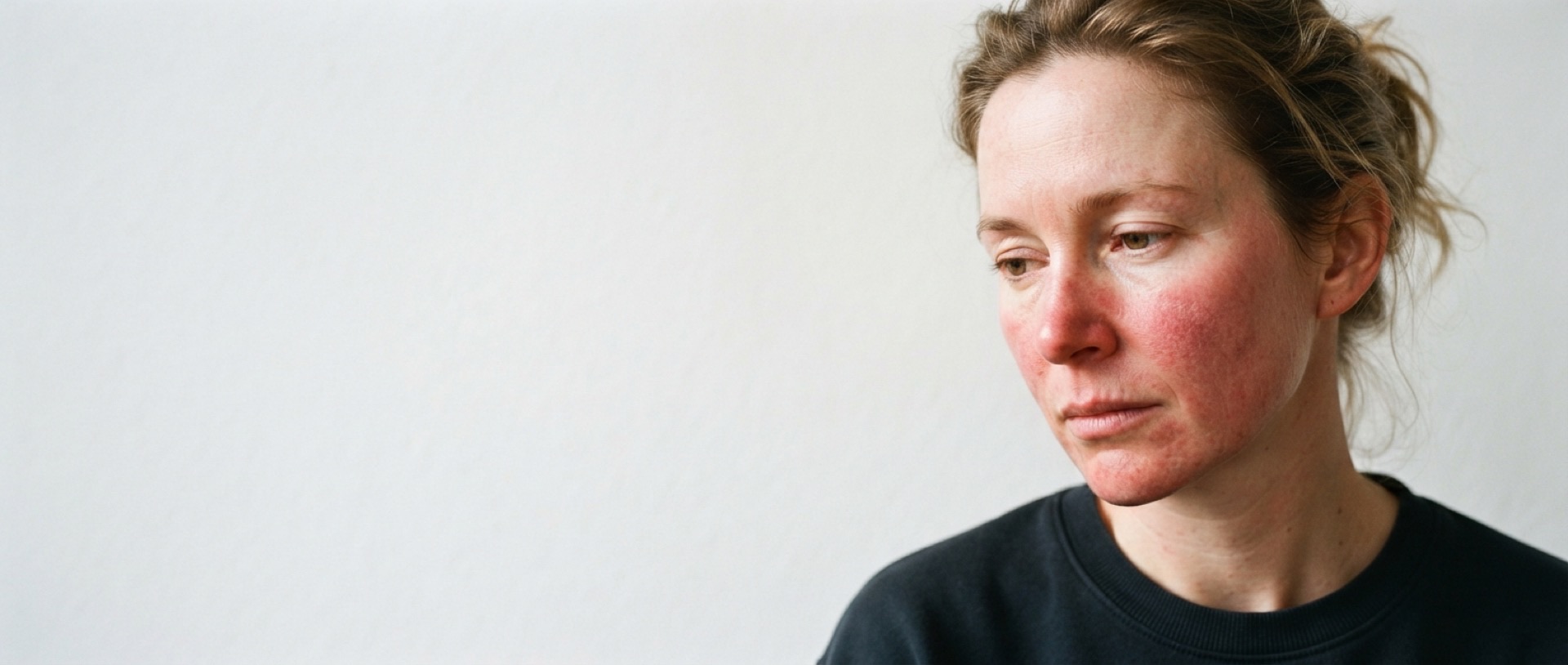
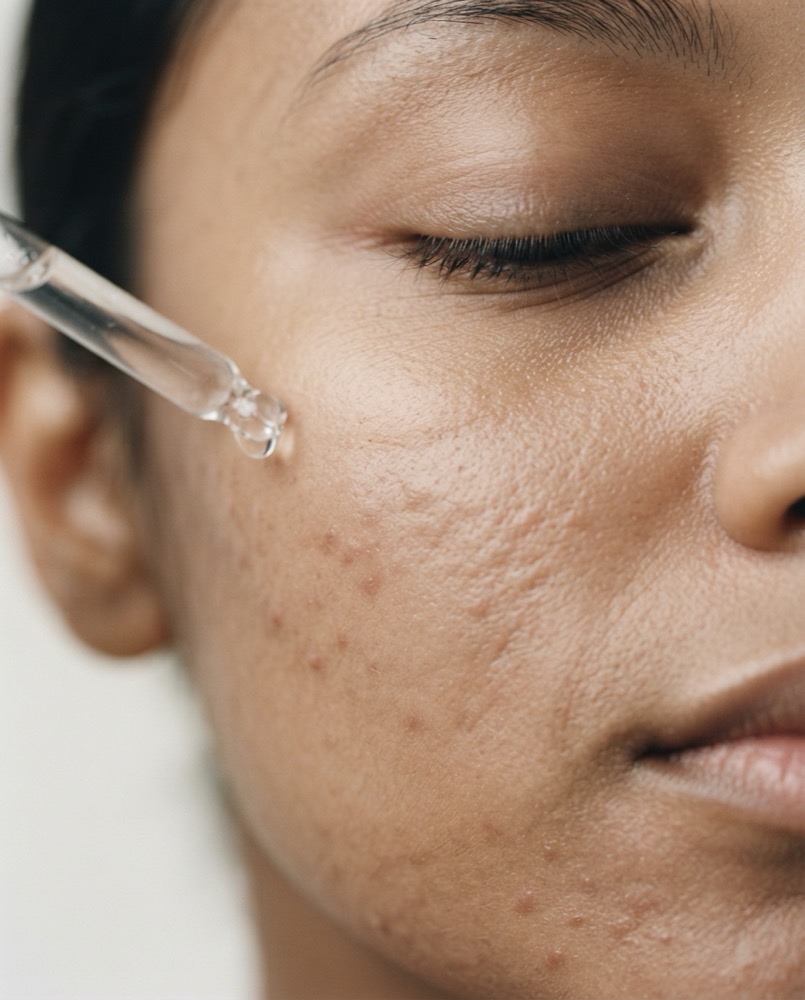
Hormonal acne is acne whose timing and pattern track with hormonal activity rather than with cleansing habits or diet alone. It typically appears along the lower face – jawline, chin and upper neck – as deep, tender papules and cysts that flare on a predictable cycle.
It is most recognisable in adult women, where breakouts often arrive in the week before menstruation and settle again afterwards.
What causes hormonal acne?
Androgens – testosterone and DHT in particular – bind to receptors on the sebaceous gland and increase sebum production. When androgen activity rises or oestrogen falls, oil output climbs and follicles clog more readily.
Menstrual cycles, starting or stopping contraception, pregnancy, perimenopause and PCOS are the usual contexts. Stress raises cortisol, which amplifies the same pathway. Persistent hormonal acne with irregular cycles or excess hair growth is worth investigating medically.
What ingredients are best for hormonal acne?
Retinoids are the most effective topical, because they stop the plug forming regardless of how much oil is being produced. Azelaic acid reduces inflammation and the marks that follow, and niacinamide helps regulate sebum.
Salicylic acid keeps pores clear between flares, and benzoyl peroxide targets bacteria in inflamed lesions. Because hormonal acne is driven from the inside, topicals manage rather than cure it – consistency across the whole cycle beats spot-treating during a flare. Take our Skin Quiz.