What is coffee in skincare?
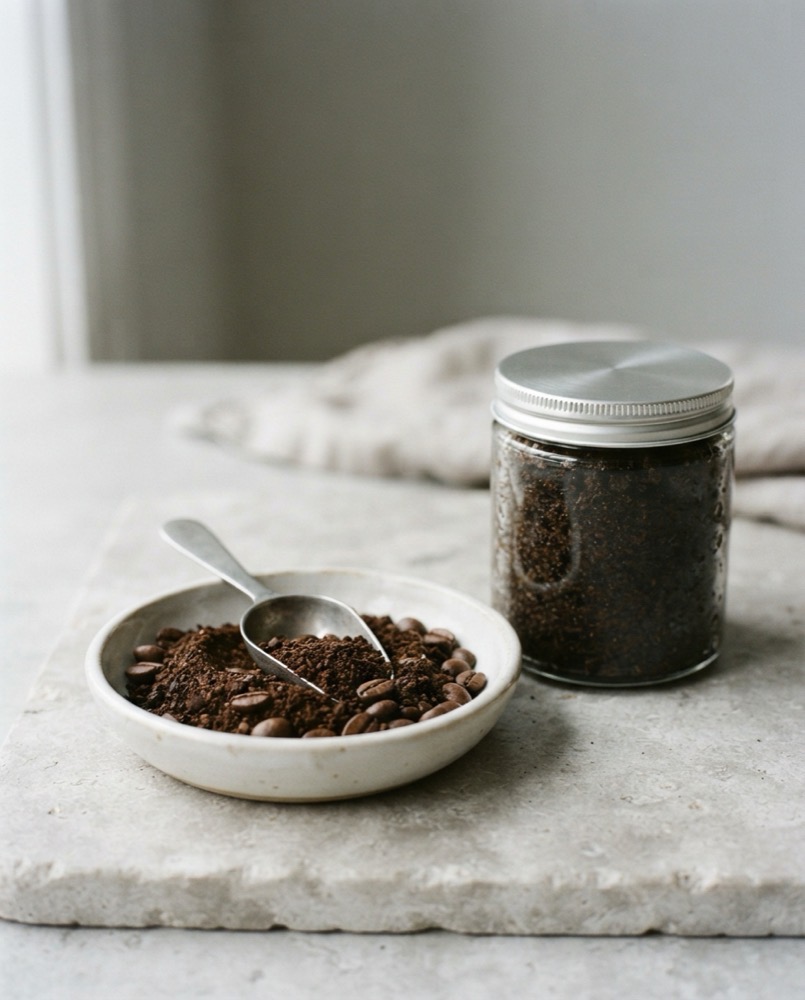
Coffee reaches skincare in two forms: ground coffee beans used as a physical exfoliant, and caffeine or green coffee extract used as an active. The two work quite differently.
The grounds provide abrasion; the active fraction provides antioxidant and vasoconstrictive effects. Coffee is also rich in chlorogenic acid, a polyphenol with anti-inflammatory and free-radical scavenging activity.
What skin concerns does coffee treat?
As an active, caffeine reduces puffiness and the appearance of under-eye darkness by constricting small blood vessels, and it is used in body products to temporarily smooth cellulite. Its antioxidants help defend against photo-damage.
As a scrub, ground coffee lifts dead cells and improves texture on the body. On the face the particles are too coarse and irregular for most people – they create micro-tears that inflame skin and worsen the texture they were meant to fix.
What ingredients are best paired with coffee?
For the eye area, pair caffeine with peptides, niacinamide and hyaluronic acid – dehydrated under-eyes look darker no matter what the circulation is doing.
For body scrubs, coffee grounds are usually blended with sugar and an oil such as coconut or almond to soften the abrasion. On the face, use a chemical exfoliant – lactic or salicylic acid – instead. Take our Skin Quiz.
What is adult acne?
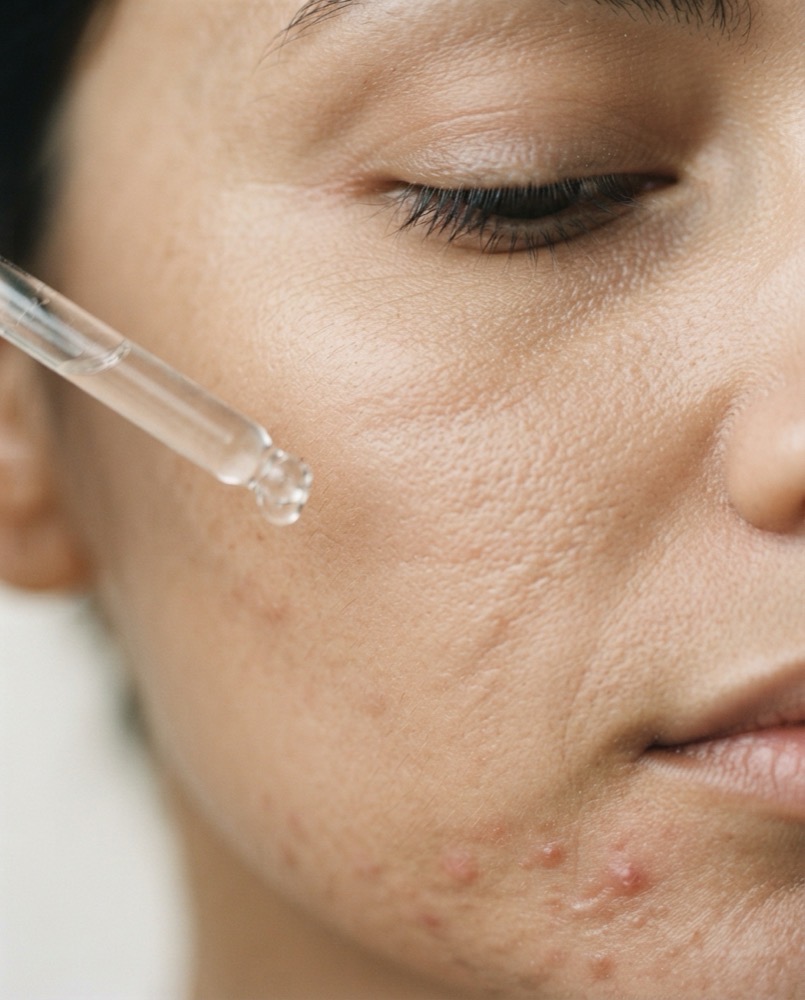
Adult acne is acne that persists past the teenage years or appears for the first time in your twenties, thirties or later. It affects a substantial share of adults, and disproportionately women.
It tends to look different from teenage acne: fewer widespread blackheads, more deep tender lesions along the jawline, chin and neck, often on skin that is simultaneously dry, sensitive or already showing early signs of ageing.
What causes adult acne?
Hormonal fluctuation is the leading driver – menstrual cycles, coming off or starting contraception, pregnancy, perimenopause and conditions such as PCOS all shift androgen activity and sebum output.
Stress and cortisol, sleep debt, high-glycaemic diets, comedogenic makeup and skincare, friction, and certain medications compound it. Adult skin also heals more slowly, so marks linger longer than they did at nineteen.
What ingredients are best for adult acne?
The challenge is treating acne without wrecking a barrier that is also ageing. Retinoids do double duty here, clearing follicles and stimulating collagen at the same time.
Azelaic acid is excellent for adult skin because it handles lesions, redness and post-acne marks together. Add salicylic acid used sparingly, niacinamide to regulate oil and calm inflammation, and ceramides plus hyaluronic acid to keep hydration up. Skip harsh benzoyl peroxide concentrations and scrubs. Take our Skin Quiz.