

What is coconut oil in skincare?
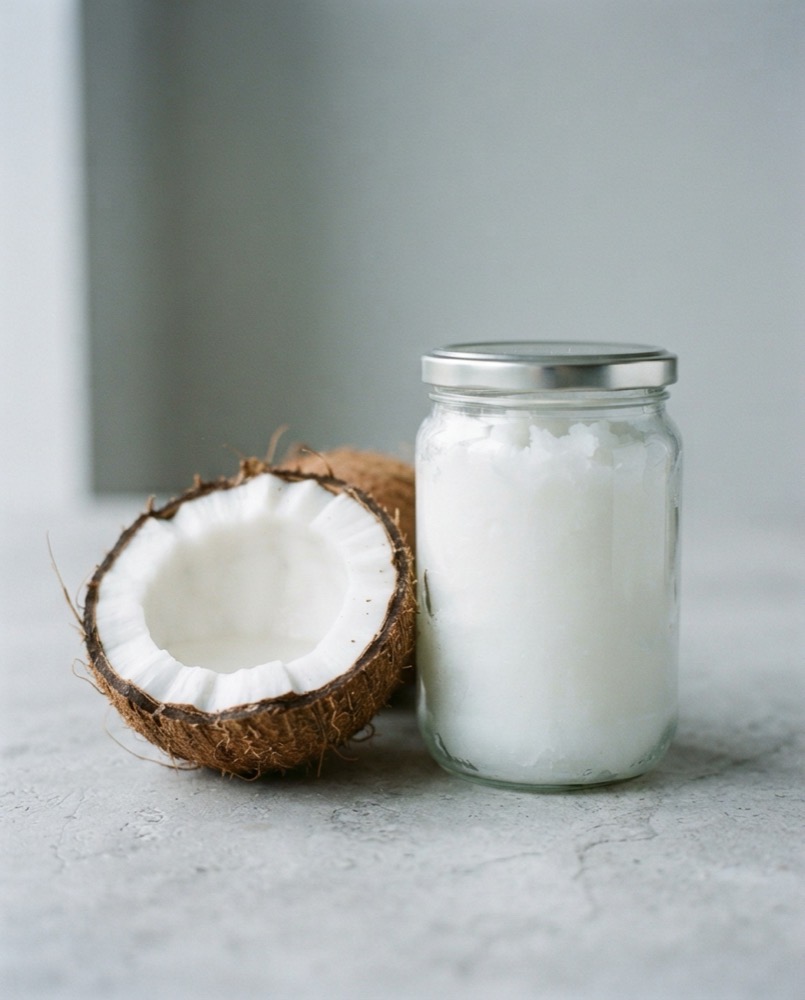
Coconut oil is extracted from the dried flesh of the coconut. It is unusual among plant oils in being mostly saturated fat – around half of it is lauric acid, a medium-chain fatty acid with strong antimicrobial activity.
Virgin coconut oil retains more of its polyphenols than refined. It is solid at room temperature, melts on contact with skin, and is highly occlusive, which is both its main strength and its main problem.
What skin concerns does coconut oil treat?
On dry body skin, hands, feet and cuticles it is an effective occlusive that reduces water loss, and research on plant oils credits it with anti-inflammatory and antibacterial effects, including activity relevant to atopic dermatitis.
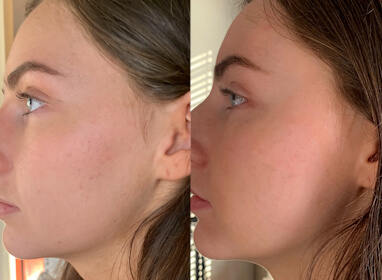
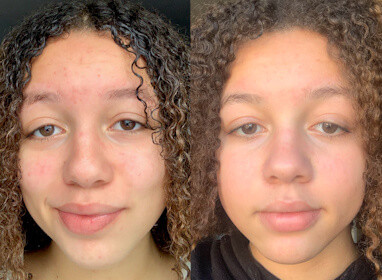
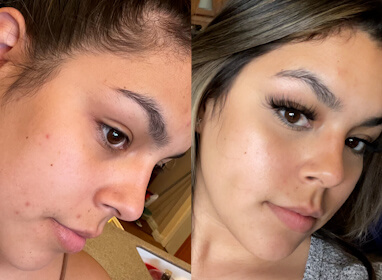
On the face it is a different story: coconut oil rates high on the comedogenic scale and reliably causes congestion and breakouts in oily and acne-prone skin. Its lauric acid does inhibit acne bacteria, but the pore-clogging usually outweighs that.
What ingredients are best paired with coconut oil?
Treat it as a body occlusive. Apply it over a humectant such as glycerin or hyaluronic acid on damp skin, or over a ceramide lotion, so it seals rather than sits.
For the face, choose non-comedogenic alternatives: squalane, jojoba, rosehip or grapeseed oil give emollience without the congestion. It is also a good pre-shampoo hair treatment. Take our Skin Quiz.
What is acne?
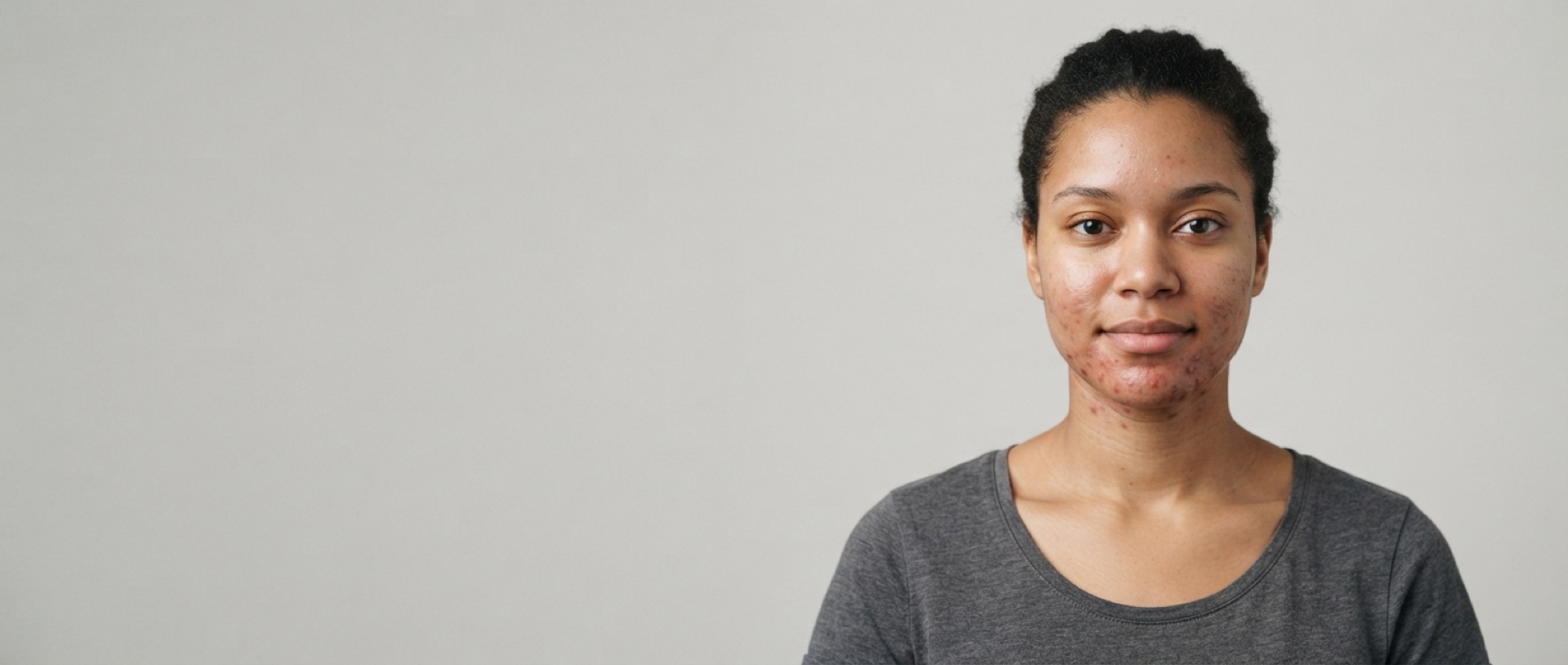
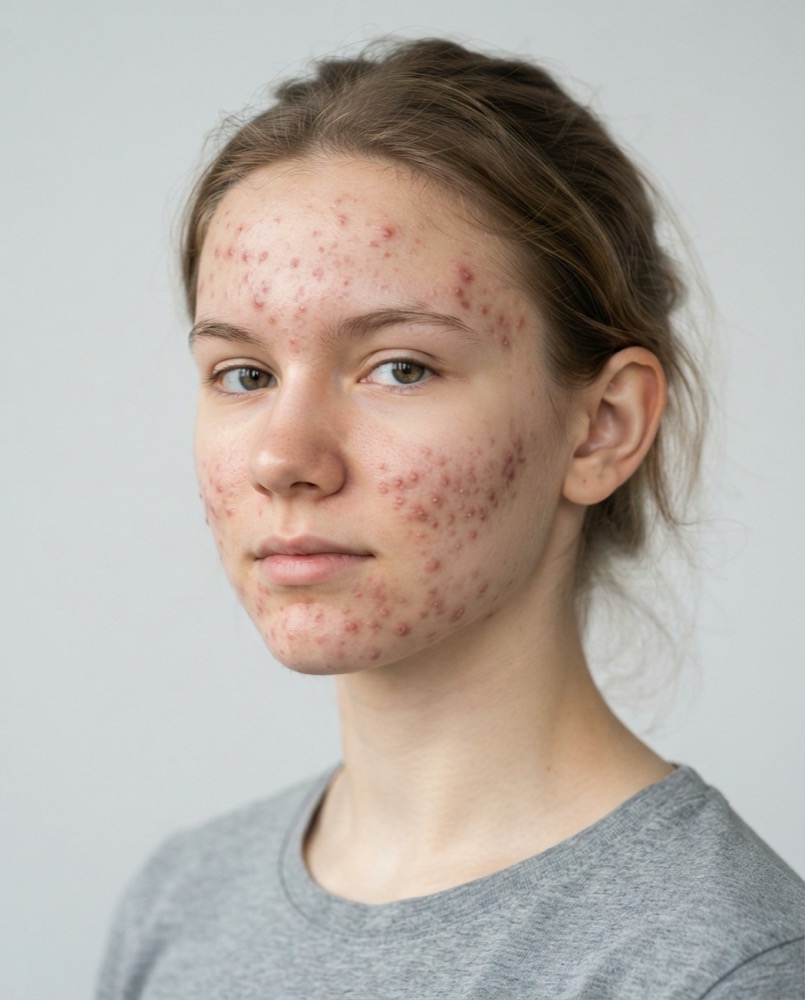
Acne vulgaris is a chronic inflammatory condition of the pilosebaceous unit – the hair follicle and its attached oil gland. It produces blackheads and whiteheads, inflamed papules and pustules, and in severe cases deep nodules and cysts.
It is the most common skin condition worldwide, and it is not a hygiene problem. Acne begins with a microcomedone forming invisibly inside the follicle, weeks before anything shows on the surface.
What causes acne?
Four mechanisms work together: excess sebum driven by androgens, abnormal shedding of cells inside the follicle, overgrowth of Cutibacterium acnes, and the inflammatory response that follows.
Genetics set the baseline. Hormonal fluctuation, stress, high-glycaemic diets, comedogenic products, friction from masks or helmets, and certain medications all push it further. Over-cleansing and picking make it visibly worse.
What ingredients are best for acne?
Salicylic acid clears inside the pore, benzoyl peroxide reduces bacterial load, and retinoids prevent the plug forming in the first place – that last one is the most valuable long-term.
Azelaic acid and niacinamide reduce inflammation and the marks left behind, and sulphur or clay help oily, congested skin. Keep the barrier intact with a gentle cleanser and a light non-comedogenic moisturiser; stripped skin produces more oil. Take our Skin Quiz.