

What is castor oil in skincare?
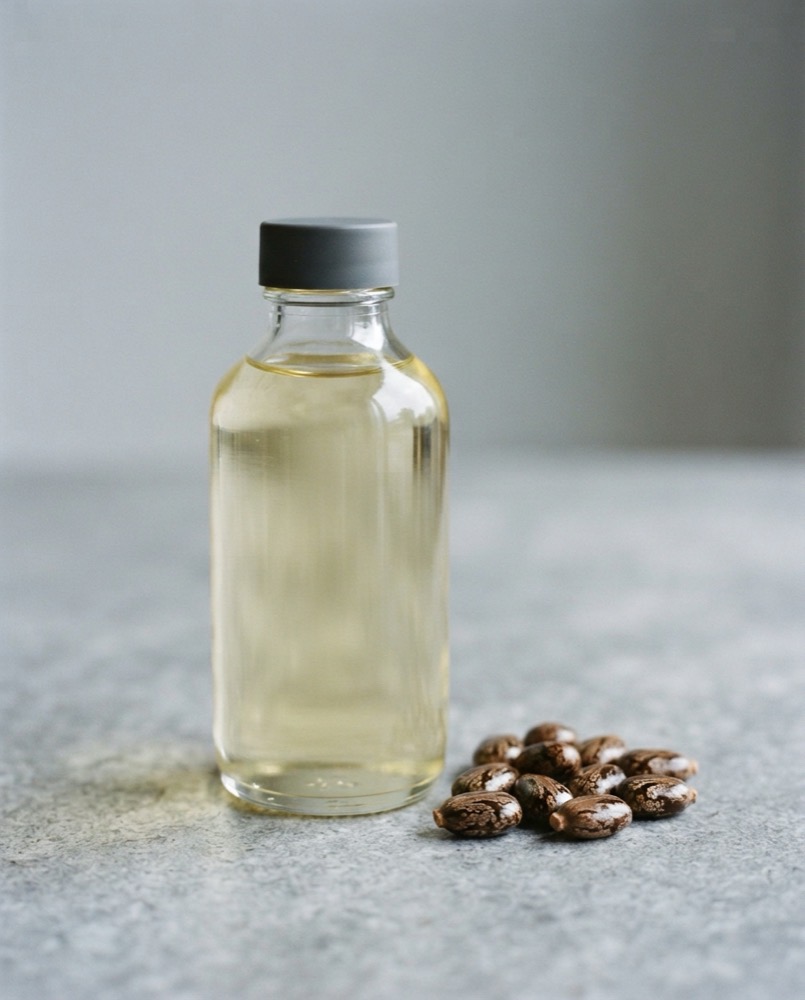
Castor oil is pressed from the seeds of Ricinus communis. It is chemically unlike any other common plant oil: around 90% of it is ricinoleic acid, an unusual hydroxylated fatty acid that gives castor oil its extreme thickness and its distinctive properties.
That hydroxyl group makes it both an occlusive and a humectant – it seals the surface while also attracting water – and gives it genuine anti-inflammatory and antimicrobial activity.
What skin concerns does castor oil treat?
It excels on very dry, cracked or chapped skin, lips, cuticles and heels, where a thick occlusive is exactly what is needed. Its anti-inflammatory action also helps irritated patches.
It is a component of many oil cleansers because it dissolves sebum and makeup effectively. On its own it is far too heavy and sticky for facial moisturising, and it can congest pores if left on oily skin.
What ingredients are best paired with castor oil?
In cleansing balms it is diluted with lighter oils – sunflower, jojoba or sweet almond – usually at 10 to 30%, since undiluted castor oil is drying on the face despite being an oil.
For dry patches, apply it over a hydrating layer so it seals moisture rather than sealing dryness in. Pair with shea butter or ceramides for hands, feet and lips. Take our Skin Quiz.
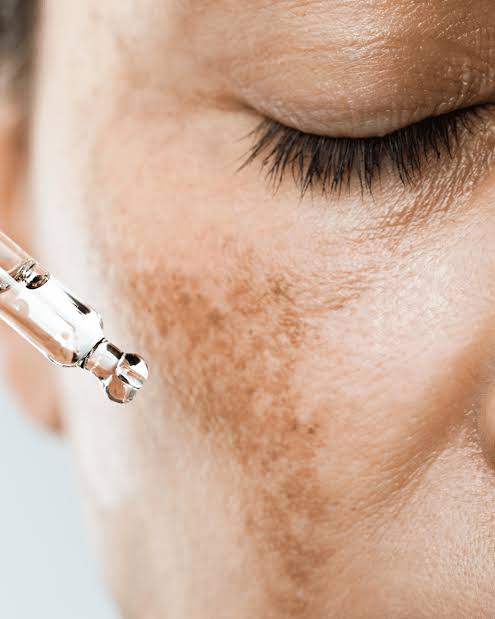
What is melasma?
Melasma is a common form of acquired hyperpigmentation that appears as symmetrical brown or greyish-brown patches, most often across the cheeks, forehead, upper lip and jawline. It develops when melanocytes – the pigment-producing cells in the skin – become overactive and deposit excess melanin into the epidermis, the dermis, or both.
It is far more common in women and in medium to deeper skin tones, and it behaves as a chronic, relapsing condition rather than a one-off mark – which is why management matters as much as treatment.
What causes melasma?
Three triggers dominate: ultraviolet and visible light exposure, hormonal change (pregnancy, oral contraceptives and hormone therapy – hence its nickname, the mask of pregnancy), and genetic predisposition.
Heat, visible light from sunlight and screens, inflammation from harsh products or aggressive procedures, and certain medications all make existing patches worse. Because the triggers are ongoing, melasma typically fades and returns rather than clearing permanently.
What ingredients are best for melasma?
Daily broad-spectrum sunscreen is non-negotiable, and a tinted mineral SPF containing iron oxides is best because it also screens the visible light that drives pigment production.
On top of that, the most evidence-backed actives are tranexamic acid, azelaic acid, niacinamide, vitamin C, alpha arbutin, kojic acid, liquorice root extract, retinoids and gentle alpha-hydroxy acids. Avoid harsh scrubs and strong heat, both of which can rebound the pigment. Take our Skin Quiz to build a routine around your skin tone and triggers.