What is butylene glycol in skincare?
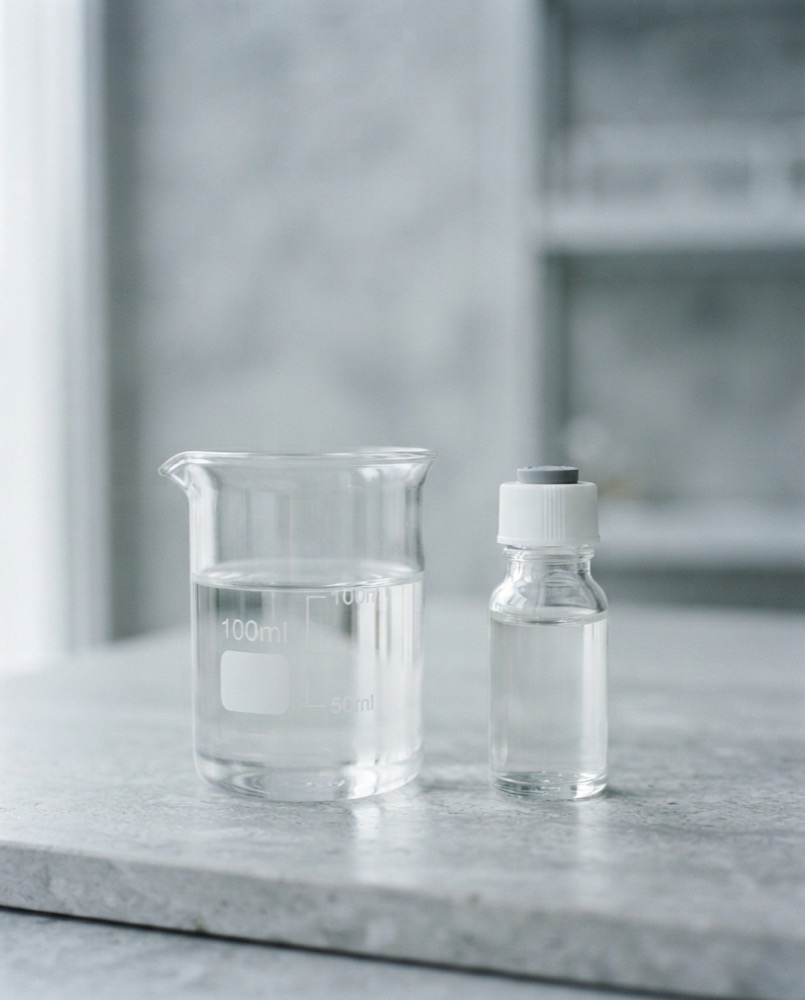
Butylene glycol, or 1,3-butylene glycol, is a small alcohol used as a solvent, humectant and texture agent. Like propanediol and propylene glycol it is a workhorse rather than a star, appearing high on ingredient lists because formulas need it to function.
It dissolves ingredients that water alone cannot carry, thins heavy formulations to a pleasant consistency, and helps actives spread and penetrate evenly.
What skin concerns does butylene glycol treat?
It hydrates lightly by drawing water into the surface layers, and it is non-comedogenic and weightless, which makes it common in products aimed at oily and acne-prone skin.
Mostly, though, its value is what it enables: the vitamin C, salicylic acid or plant extract next to it in the formula reaches the skin in usable form. Allergic contact dermatitis to butylene glycol is documented but uncommon, and it is generally better tolerated than propylene glycol.
What ingredients are best paired with butylene glycol?
It pairs with essentially everything, and is most often seen alongside glycerin, hyaluronic acid and botanical extracts it helps keep in solution.
One thing worth knowing if you have reacted to propylene glycol: there is documented cross-reactivity between propylene glycol and butylene glycol, so a known allergy to one is a reason to patch test the other rather than assume it is safe. Take our Skin Quiz.
What are dark spots?
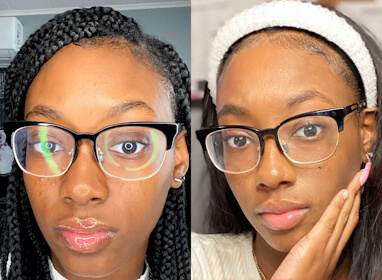
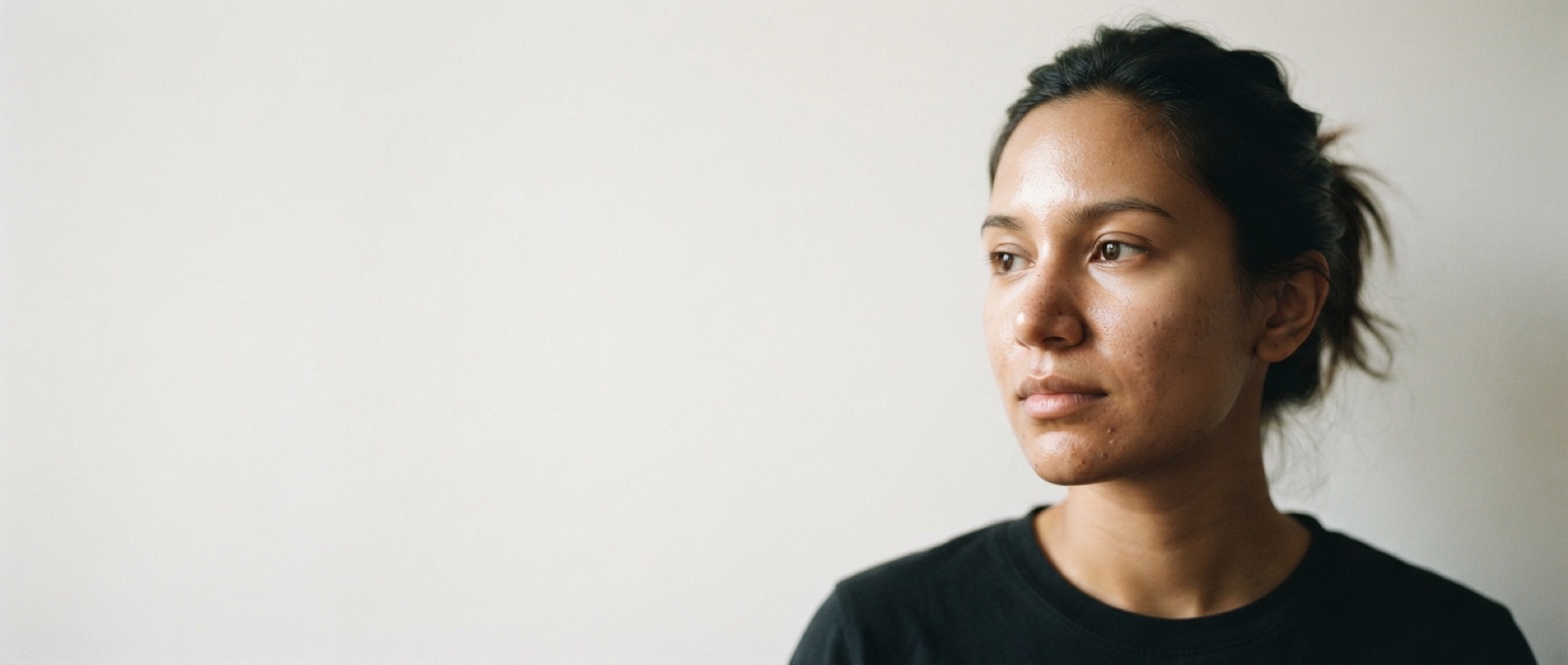
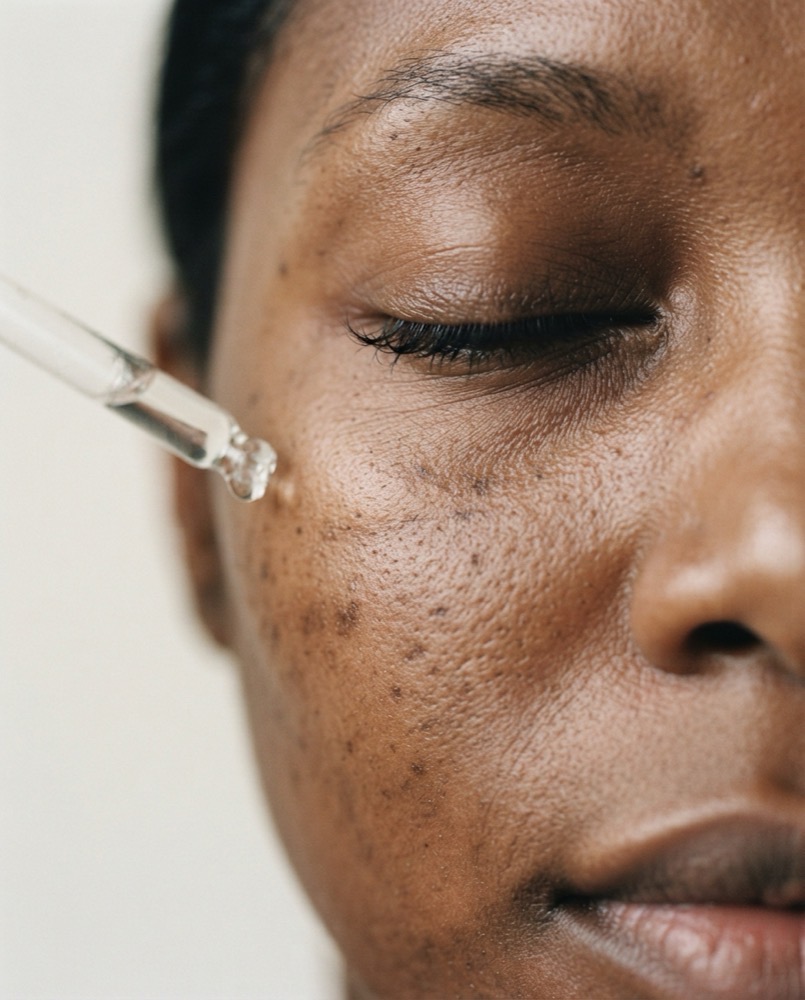
Dark spots are localised patches where the skin has produced more melanin than the surrounding area. The umbrella term covers sun spots, post-acne marks, melasma patches and freckles – different causes, same visible result.
They are flat rather than raised, vary from light tan to deep brown, and are most noticeable on the face, hands and chest. In deeper skin tones they tend to be darker and to last considerably longer.
What causes dark spots?
Two mechanisms dominate. Ultraviolet exposure triggers protective melanin production, and inflammation – from acne, ingrown hairs, eczema, friction, burns or harsh treatments – leaves post-inflammatory hyperpigmentation behind as it heals.
Hormonal change, some medications and heat add to it. Picking at spots is one of the most avoidable causes: the extra inflammation reliably makes the mark darker and longer-lived than the original blemish.
What ingredients are best for dark spots?
Vitamin C, niacinamide and azelaic acid are the everyday workhorses. For stubborn pigment, alpha arbutin, tranexamic acid, kojic acid and liquorice root extract interrupt melanin production directly.
Retinoids and gentle AHAs clear pigmented cells faster from the surface. Give any routine twelve weeks before judging it, and wear broad-spectrum SPF daily or the spots will simply redarken. Take our Skin Quiz.