

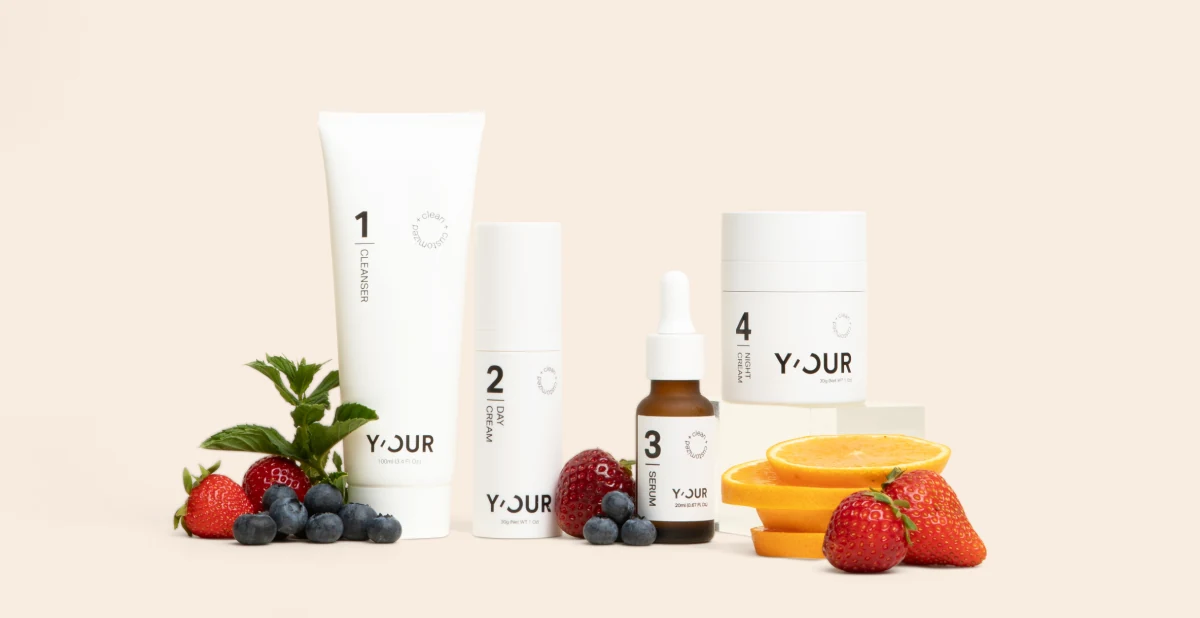
What is benzoyl peroxide in skincare?
Benzoyl peroxide is an organic peroxide used topically for acne. It releases oxygen into the follicle, which kills Cutibacterium acnes – the bacterium that drives inflammatory breakouts – and mildly loosens the plug of dead cells at the same time.
Its great advantage is that bacteria do not develop resistance to it, unlike topical antibiotics. Over-the-counter strengths run from 2.5% to 10%.
What skin concerns does benzoyl peroxide treat?
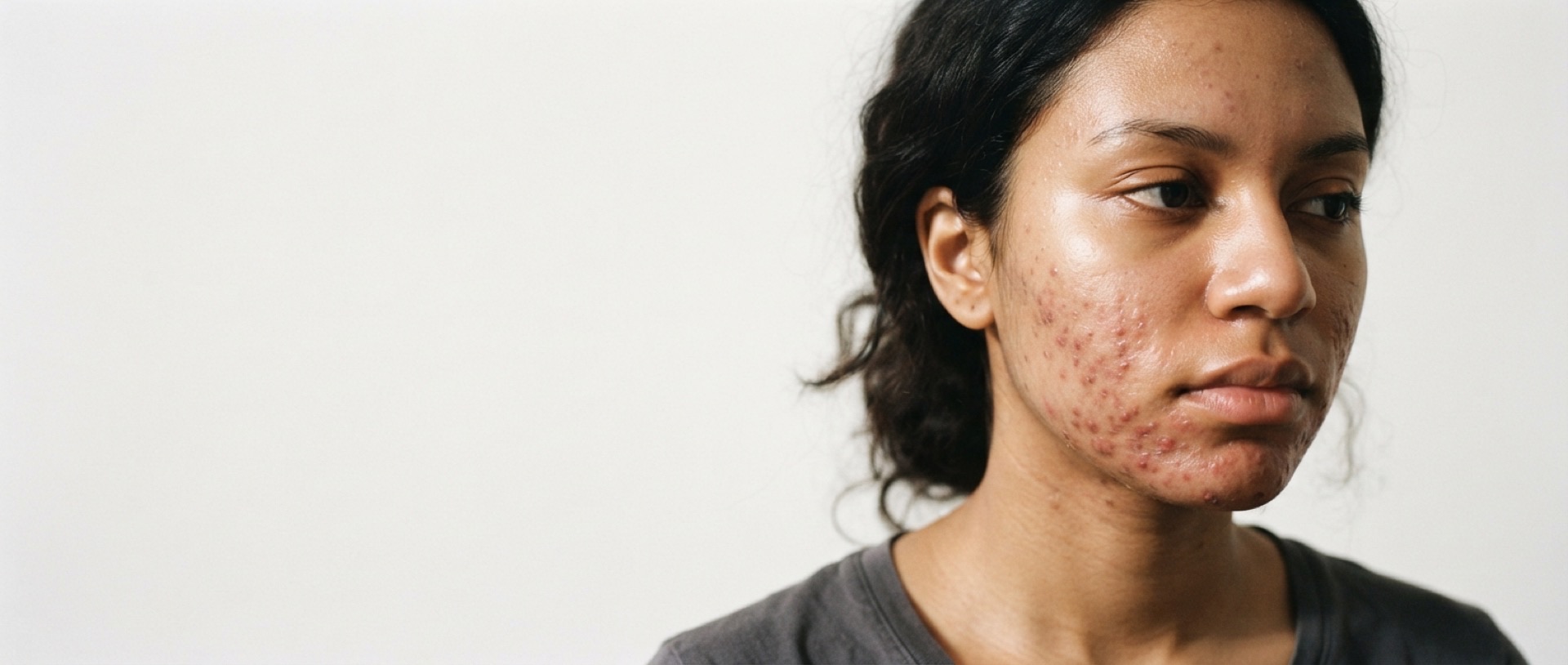
It is most effective on inflammatory acne – red papules and pustules – and less so on plain blackheads, where salicylic acid or a retinoid does more.
Trial evidence is consistent, and importantly shows 2.5% works about as well as 10% with considerably less dryness and irritation. Starting low is genuinely the better strategy, not a compromise.
What ingredients are best paired with benzoyl peroxide?
Niacinamide, hyaluronic acid, ceramides and squalane offset the dryness it causes. Using it as a short-contact wash – applied, left five minutes, rinsed – gives most of the benefit with far less irritation.
Keep it away from retinoids and vitamin C in the same application, since it can oxidise them; use one in the morning and the other at night. It bleaches fabric, so expect marks on towels and pillowcases. Take our Skin Quiz.
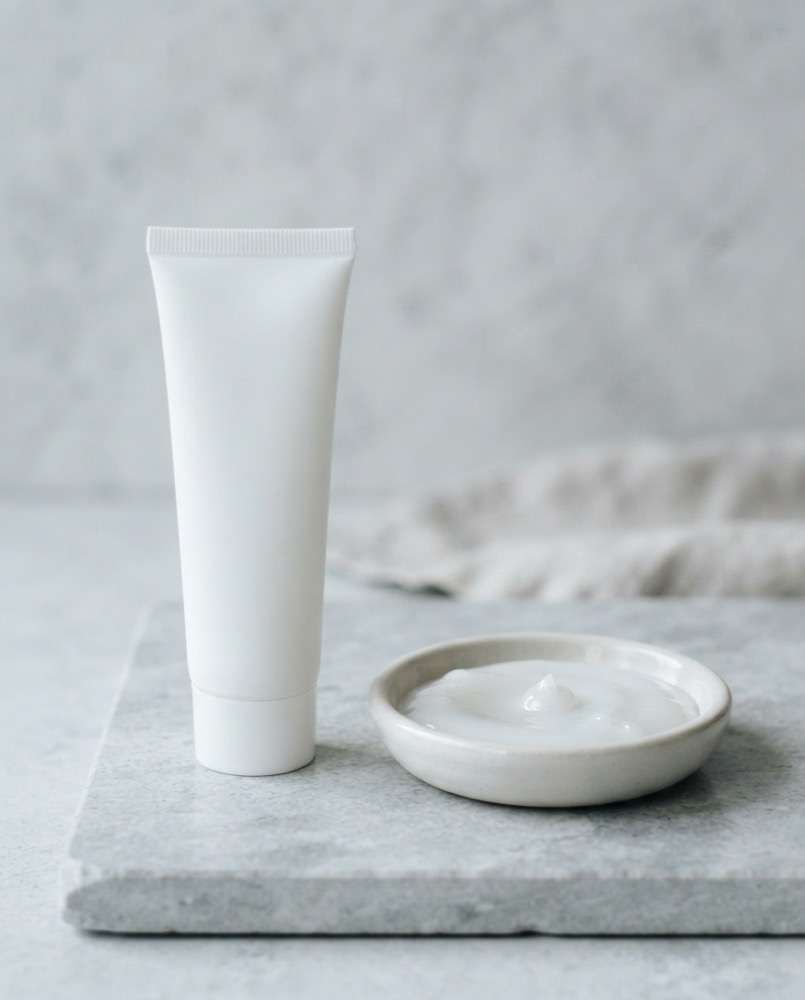
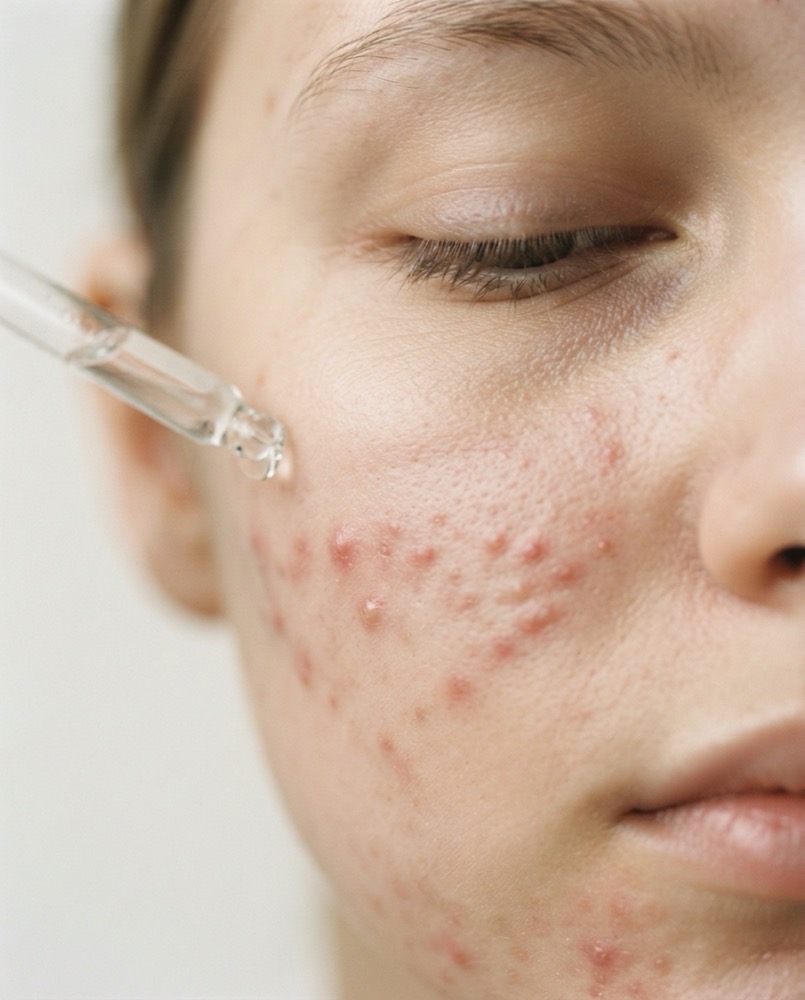
What is acne?
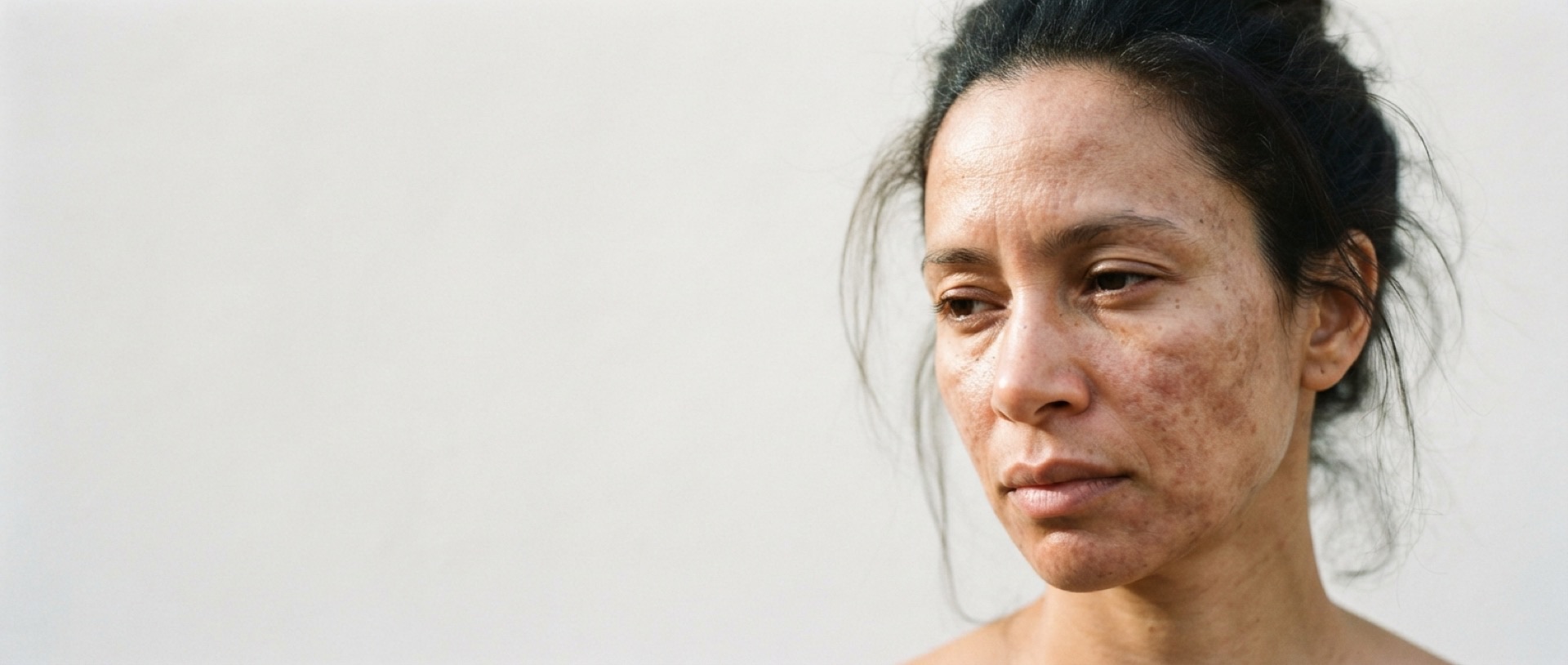
Acne vulgaris is a chronic inflammatory condition of the pilosebaceous unit – the hair follicle and its attached oil gland. It produces blackheads and whiteheads, inflamed papules and pustules, and in severe cases deep nodules and cysts.
It is the most common skin condition worldwide, and it is not a hygiene problem. Acne begins with a microcomedone forming invisibly inside the follicle, weeks before anything shows on the surface.
What causes acne?
Four mechanisms work together: excess sebum driven by androgens, abnormal shedding of cells inside the follicle, overgrowth of Cutibacterium acnes, and the inflammatory response that follows.
Genetics set the baseline. Hormonal fluctuation, stress, high-glycaemic diets, comedogenic products, friction from masks or helmets, and certain medications all push it further. Over-cleansing and picking make it visibly worse.
What ingredients are best for acne?
Salicylic acid clears inside the pore, benzoyl peroxide reduces bacterial load, and retinoids prevent the plug forming in the first place – that last one is the most valuable long-term.
Azelaic acid and niacinamide reduce inflammation and the marks left behind, and sulphur or clay help oily, congested skin. Keep the barrier intact with a gentle cleanser and a light non-comedogenic moisturiser; stripped skin produces more oil. Take our Skin Quiz.