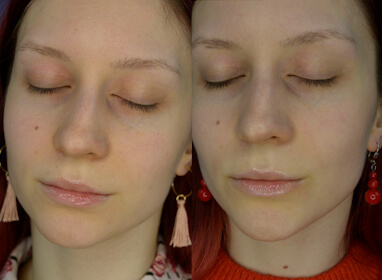
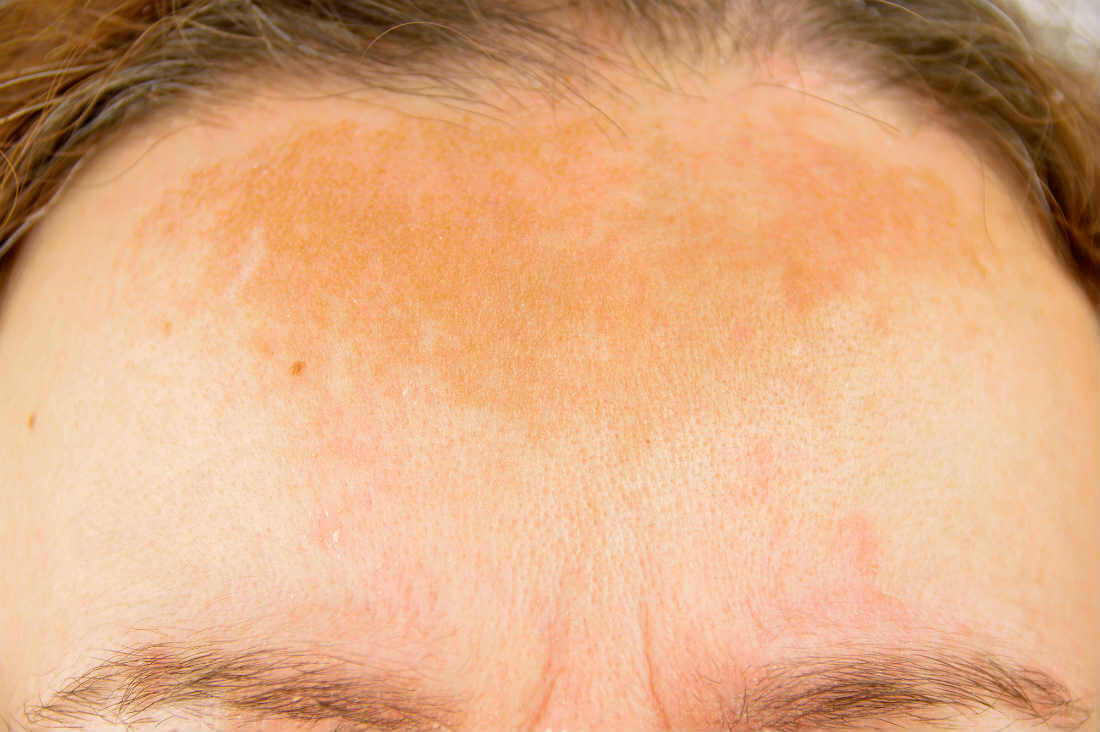
What is bentonite clay in skincare?
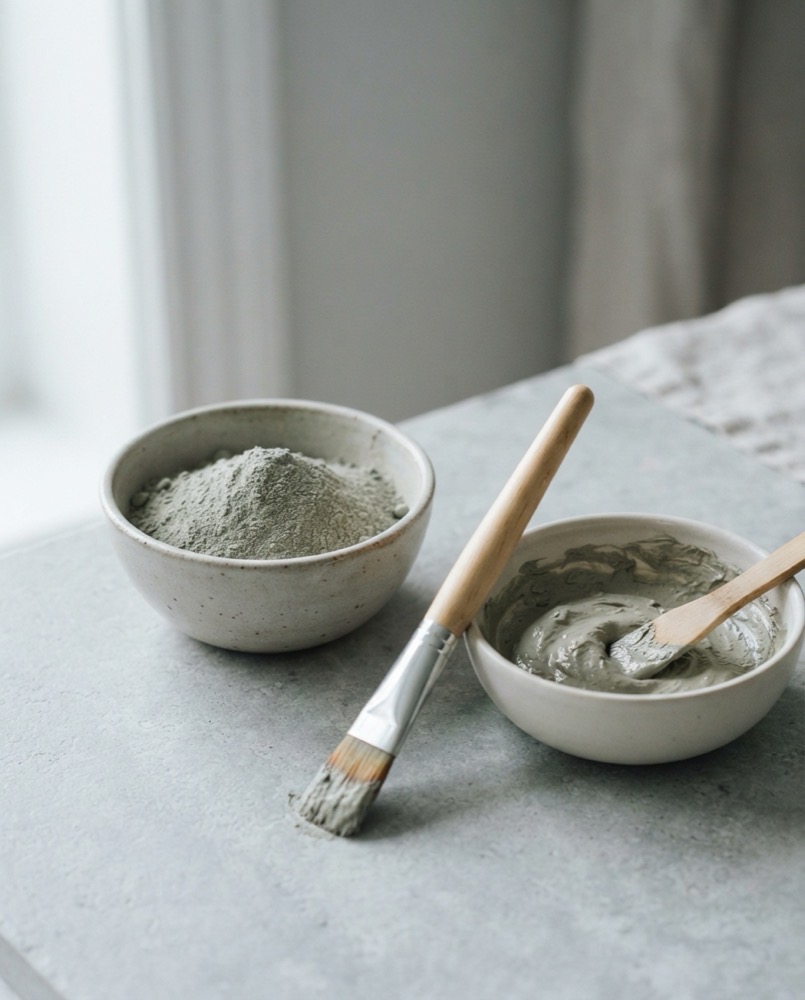
Bentonite clay forms when volcanic ash weathers in seawater, converting volcanic glass into fine clay particles. Its dominant mineral is montmorillonite, which carries a strong negative surface charge when wet.
That charge is the mechanism. It attracts positively charged particles – sebum components, dirt, some bacteria – and binds them for rinsing away. Reviews of bentonite as a natural remedy document that adsorptive capacity alongside antibacterial and anti-inflammatory activity.
What skin concerns does bentonite clay treat?
It is one of the most absorbent cosmetic clays, which makes it a strong fit for oily skin, congestion and body or back acne. It also appears in some sunscreens, where it improves how well the product stays on the skin.
Research on bentonites and montmorillonites points to cutaneous benefits including barrier support and irritation relief. Its strength is also its risk: on dry or sensitive skin it strips too much, leaving tightness and rebound oil.
What ingredients are best paired with bentonite clay?
Mix it with water or a hydrosol rather than vinegar, which adds needless irritation, and pair it with glycerin, aloe, honey or colloidal oatmeal to buffer the drying.
Follow every mask with a hydrating serum and moisturiser. Because it is a natural mineral there is some risk of heavy-metal contamination, so choose a brand that publishes purity testing. Use once weekly, not daily. Take our Skin Quiz.
What is adult acne?
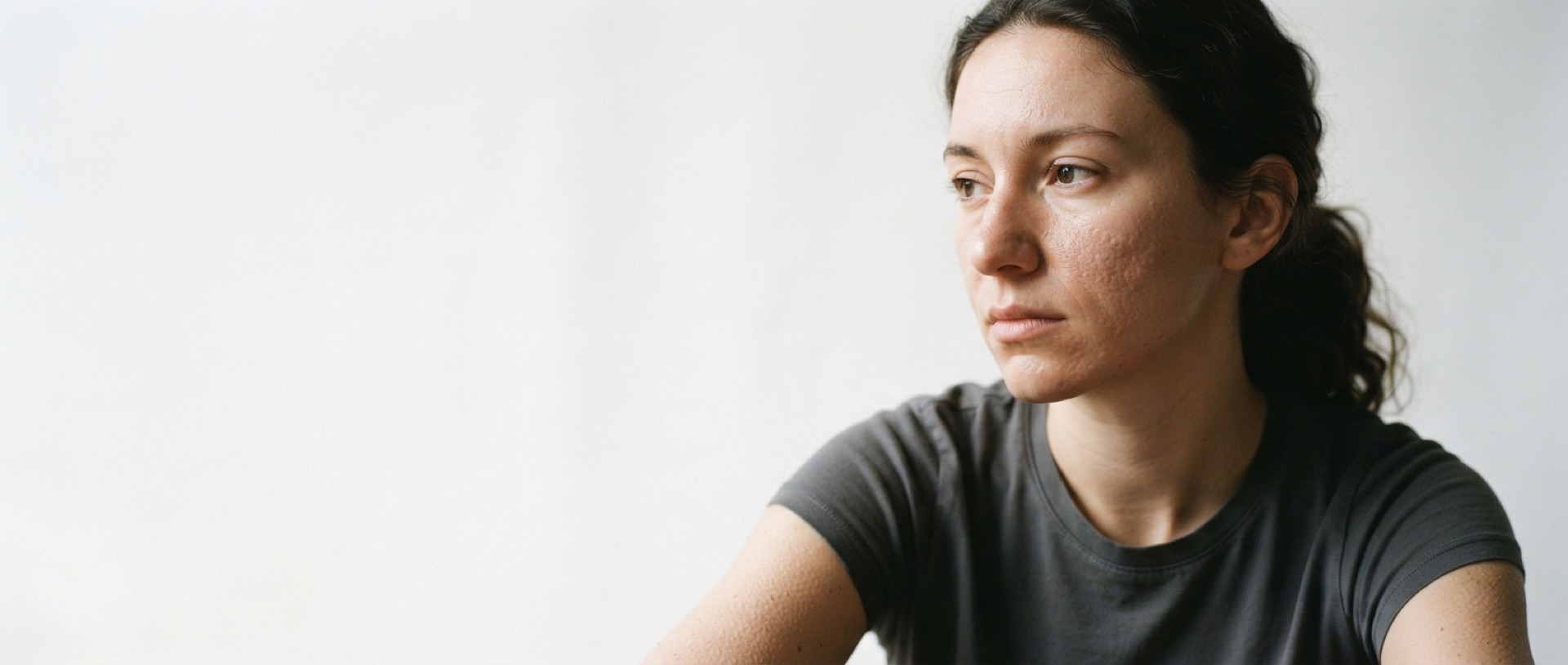
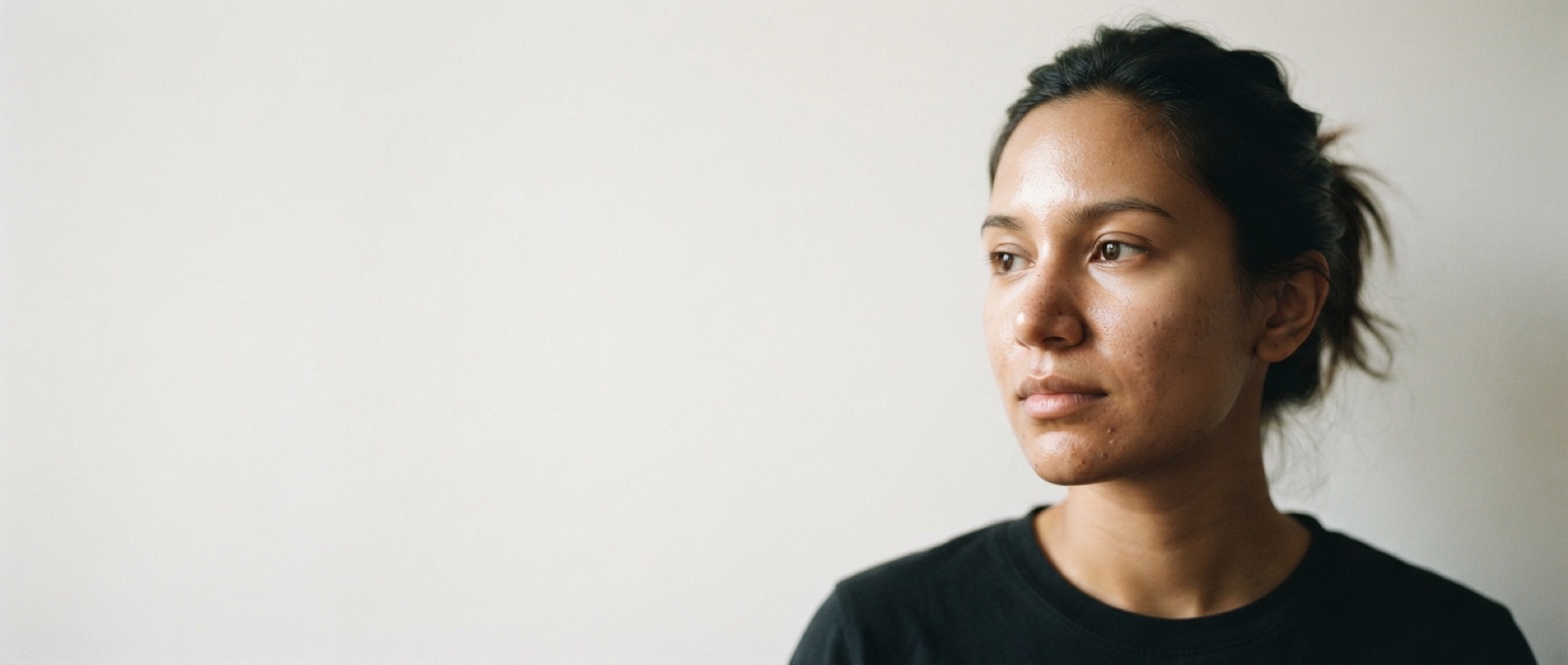
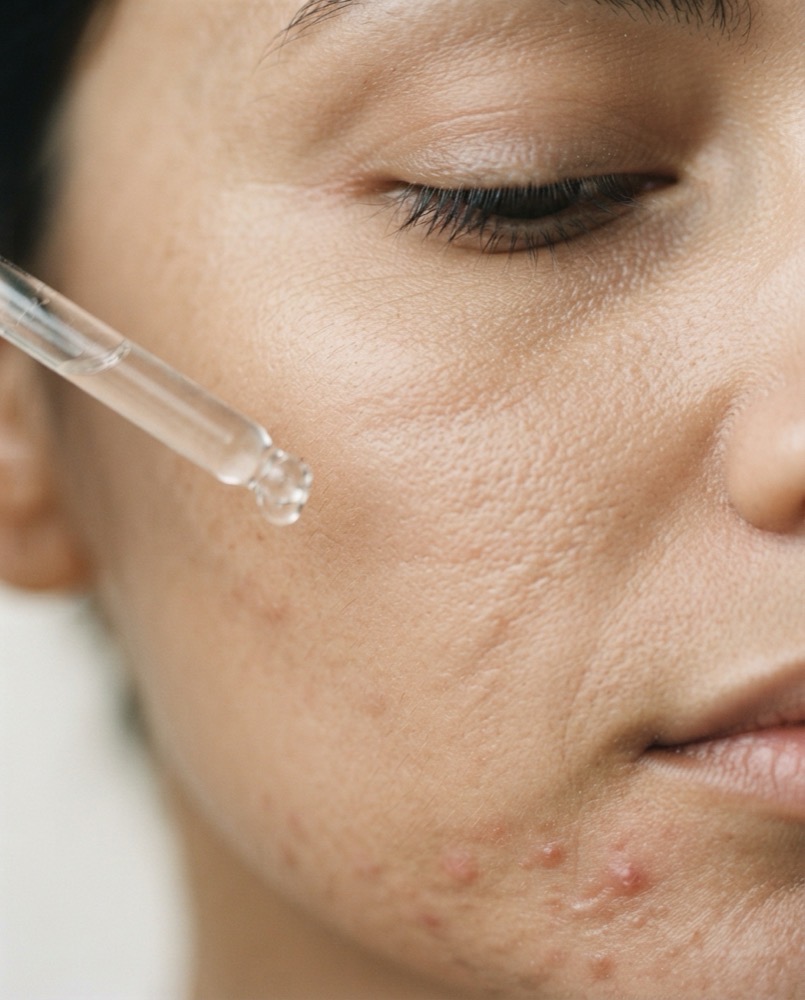
Adult acne is acne that persists past the teenage years or appears for the first time in your twenties, thirties or later. It affects a substantial share of adults, and disproportionately women.
It tends to look different from teenage acne: fewer widespread blackheads, more deep tender lesions along the jawline, chin and neck, often on skin that is simultaneously dry, sensitive or already showing early signs of ageing.
What causes adult acne?
Hormonal fluctuation is the leading driver – menstrual cycles, coming off or starting contraception, pregnancy, perimenopause and conditions such as PCOS all shift androgen activity and sebum output.
Stress and cortisol, sleep debt, high-glycaemic diets, comedogenic makeup and skincare, friction, and certain medications compound it. Adult skin also heals more slowly, so marks linger longer than they did at nineteen.
What ingredients are best for adult acne?
The challenge is treating acne without wrecking a barrier that is also ageing. Retinoids do double duty here, clearing follicles and stimulating collagen at the same time.
Azelaic acid is excellent for adult skin because it handles lesions, redness and post-acne marks together. Add salicylic acid used sparingly, niacinamide to regulate oil and calm inflammation, and ceramides plus hyaluronic acid to keep hydration up. Skip harsh benzoyl peroxide concentrations and scrubs. Take our Skin Quiz.