

What are antioxidants in skincare?
Antioxidants are molecules that neutralise free radicals – unstable oxygen species generated by UV light, pollution, smoke and normal metabolism. Left unchecked those radicals damage lipids, proteins and DNA in skin cells.
Skin has its own antioxidant network, but it is depleted by sun exposure and declines with age. Topical antioxidants top it back up. The category spans vitamin C, vitamin E, ferulic acid, niacinamide, resveratrol, green tea polyphenols, coenzyme Q10 and many botanical extracts.
What skin concerns do antioxidants treat?
They are primarily preventative, working against the oxidative damage behind photoageing – fine lines, loss of firmness, uneven tone and dullness.
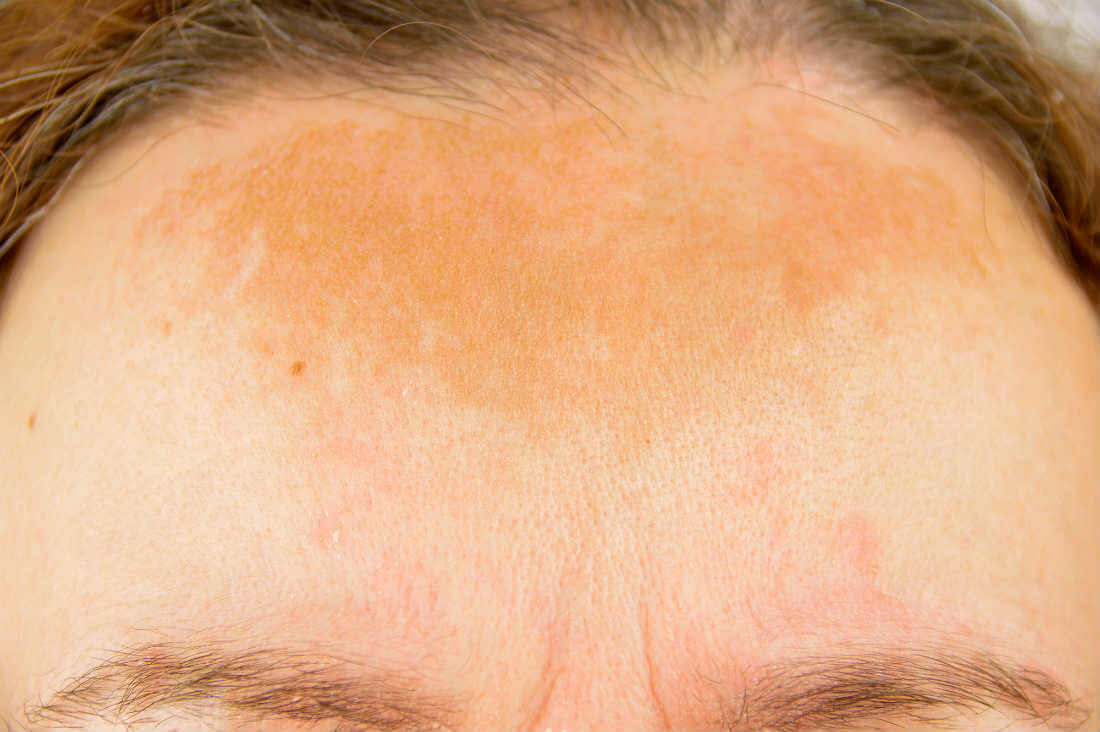
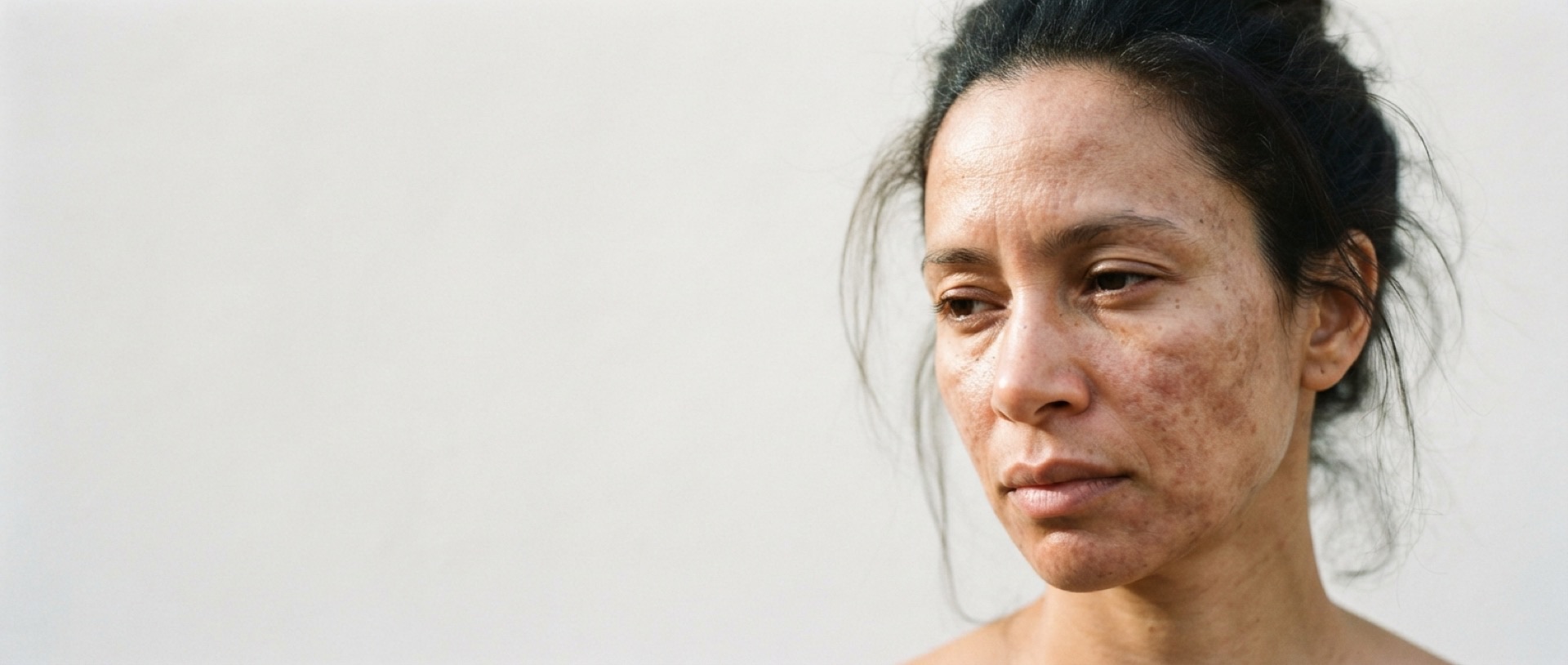
Several also treat actively: vitamin C brightens pigment, niacinamide evens tone and controls oil, green tea and resveratrol calm inflammation. Applied under sunscreen they reduce the damage that gets through, which is why dermatologists treat them as a morning step rather than an optional extra.
What ingredients are best paired with antioxidants?
Antioxidants work as a network, regenerating one another, so combinations outperform any single one. The best-evidenced example is vitamin C with vitamin E and ferulic acid, which together measurably increase photoprotection beyond what each achieves alone.
Use them in the morning, always under broad-spectrum SPF – they reduce damage but do not block UV. At night, pair with retinoids and peptides for repair, and with ceramides and hyaluronic acid for barrier support. Take our Skin Quiz.
What is dullness?
Healthy skin reflects light evenly, which is what reads as bright and glowing. Dull skin does the opposite – it looks flat, ashy, grey or sallow, and makeup tends to sit on top of it rather than blend in.
Dullness is not a condition in itself but a visible symptom: a build-up of dead cells, dehydration and reduced microcirculation that together stop light bouncing cleanly off the skin’s surface.
What causes dull skin?
Dead skin cells that do not shed naturally accumulate on the surface and scatter light unevenly. Dehydration flattens those cells so they no longer sit plump against one another, and overly dry skin can damage the follicles and slow the production of collagen and sebum – all of which make the complexion look duller or ashier.
Lifestyle and environment do the rest. Sun exposure, pollution, smoking, alcohol, broken sleep and stress all accelerate free-radical damage, while cell turnover naturally slows with age, so skin loses the reflectivity it had in your twenties.
What ingredients are best for dullness?
Brightening dull skin comes down to three things: gentle exfoliation, consistent hydration and antioxidant protection. Vitamin C, alpha-hydroxy acids such as glycolic and lactic acid, salicylic acid, retinol and vitamin A, niacinamide, green tea extract, coenzyme Q10 and rosehip oil all help resurface, even out tone and defend against free radicals.
Hyaluronic acid and hydrolysed collagen plump the skin so it reflects more light, and daily broad-spectrum sunscreen prevents the UV damage that dulls the complexion in the first place. Take our Skin Quiz to find the exact combination your skin needs.